
Rantac 150 Mg Tablet
Ranitidine (150mg)
Source ID: 108709
₹55.81
₹41.97
(Inclusive of all taxes)Batch
-
PKG
30 TABLETS
Expiry
-
MRP
₹55.81
Stock
284
Discount
24.8%
Description
RANTAC 150 MG TABLET
Name
- Common Name: Ranitidine
- Brand Name: Rantac 150 mg Tablet
Composition
- Active Ingredient: Ranitidine Hydrochloride 150 mg
Uses
- Treatment and prevention of gastric and duodenal ulcers
- Relief of gastroesophageal reflux disease (GERD)
- Management of Zollinger-Ellison syndrome (pathological hypersecretory conditions)
- Treatment of heartburn, indigestion, and acid-related stomach discomfort
Dosage and Administration
- Adults: Typically, 150 mg twice daily or 300 mg once daily at bedtime, as directed by a physician.
- Children: Dosage varies based on age and weight; follow pediatrician’s recommendations.
- Administration: Swallow tablet whole with water; can be taken with or without food.
Side Effects
Common Side Effects:
- Headache
- Constipation or diarrhea
- Nausea and vomiting
- Dizziness
Serious Side Effects:
- Allergic reactions (rash, itching, swelling)
- Irregular heartbeat
- Jaundice (yellowing of skin or eyes)
- Confusion, especially in elderly patients
Precautions
- Avoid use if allergic to ranitidine or similar medications.
- Use with caution in patients with kidney or liver impairment—dose adjustment may be necessary.
- May interact with certain antifungals, anticoagulants, and antiretroviral medicines.
- Not recommended during pregnancy or breastfeeding unless prescribed by a doctor.
- Long-term use may lead to vitamin B12 deficiency or increased risk of certain infections.
Storage
- Store below 25°C (77°F) in a cool, dry place.
- Protect from light and moisture.
- Keep out of reach of children.
₹55.81
₹41.97
(Inclusive of all taxes)Shop by Frequently Purchased Items
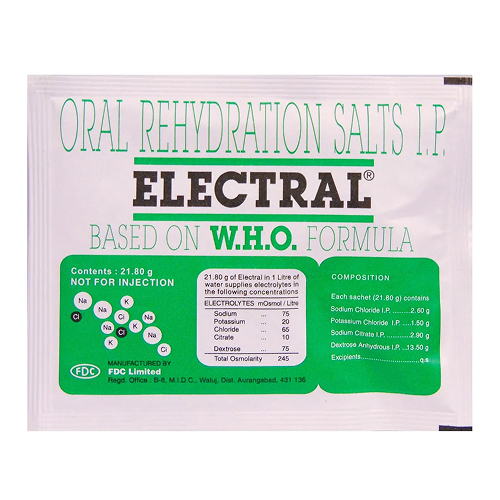
Electral 21.8gm
Dextrose-13.5gm + Potassium Chloride-1.5gm + Sodium Chloride-2.6gm + Sodium Citrate-2.9gm
MRP
₹23.2
PKG
21.8 GM
Stock
6339
₹23.2
₹17.45
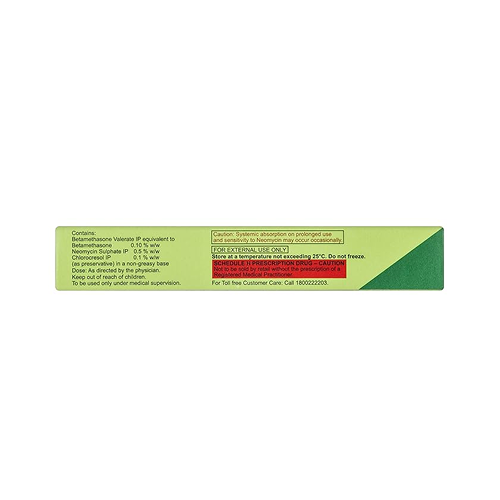


Betnovate N Oint-25 Gm
Betamethasone (0.1% W/w) + Neomycin (0.5% W/w)
MRP
₹68.9
PKG
25 GM
Stock
1792
₹68.9
₹51.82
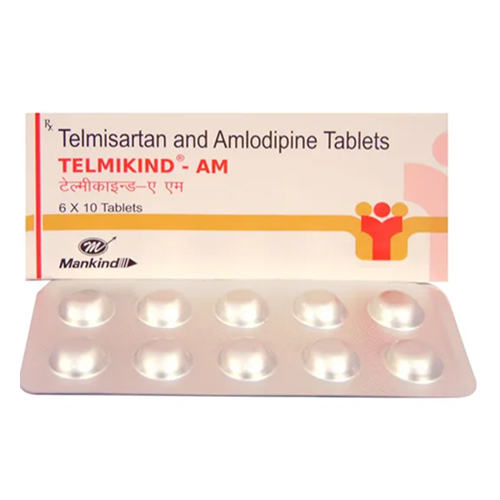
Telmikind-am Tablet
Telmisartan (40mg) + Amlodipine (5mg)
MRP
₹86.08
PKG
10 TABLET
Stock
1567
₹86.08
₹64.73
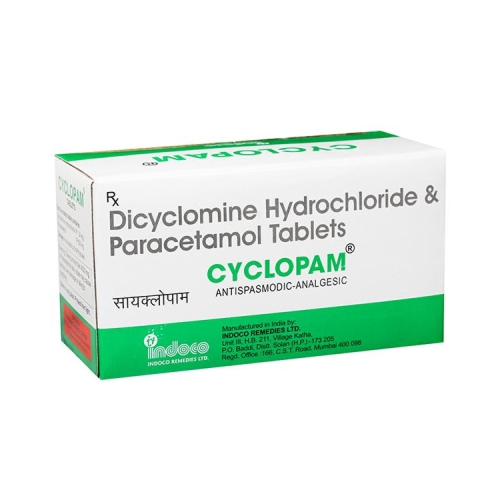
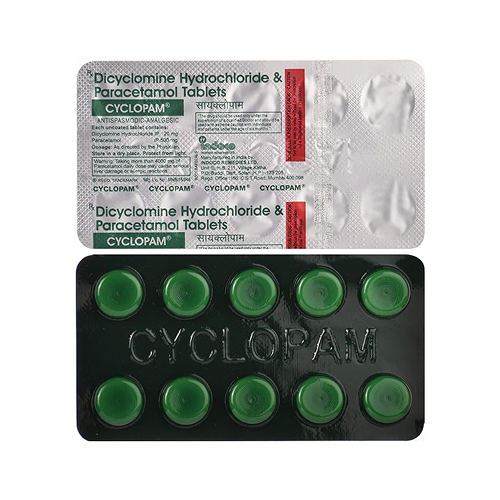
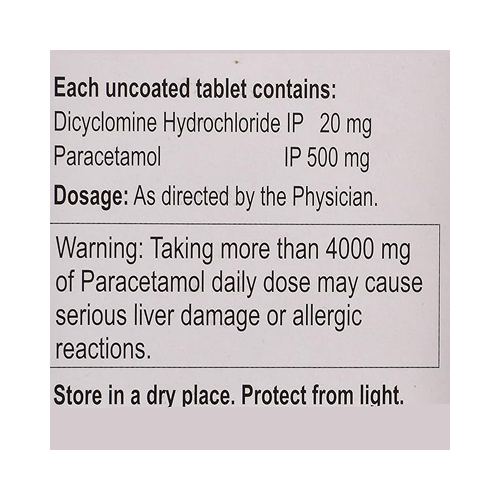
Cyclopam Tablet
Dicyclomine (20mg) + Paracetamol (500mg)
MRP
₹62.5
PKG
10 TABLET
Stock
1432
₹62.5
₹47
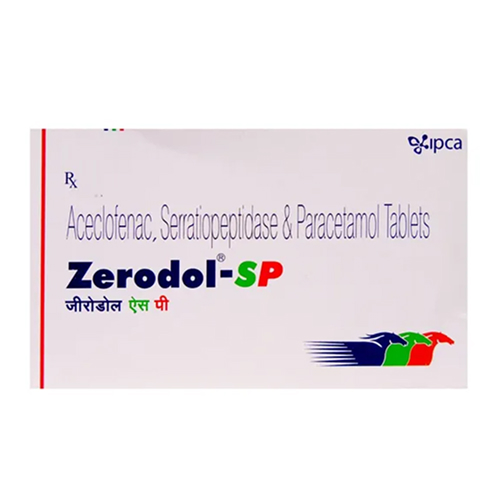
Zerodol Sp Tablet
Aceclofenac (100mg) + Paracetamol (325mg) + Serratiopeptidase (15mg)
MRP
₹139.69
PKG
10 TABLET
Stock
1244
₹139.69
₹105.04
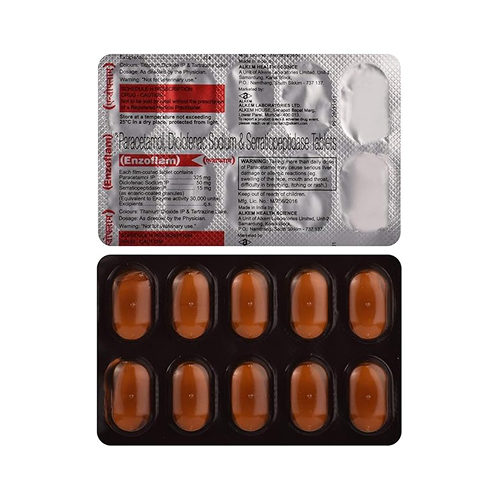
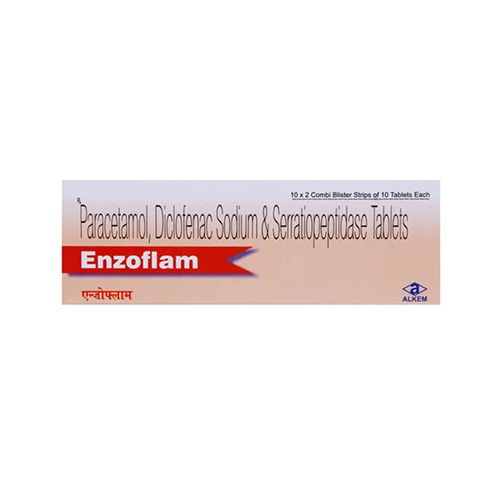
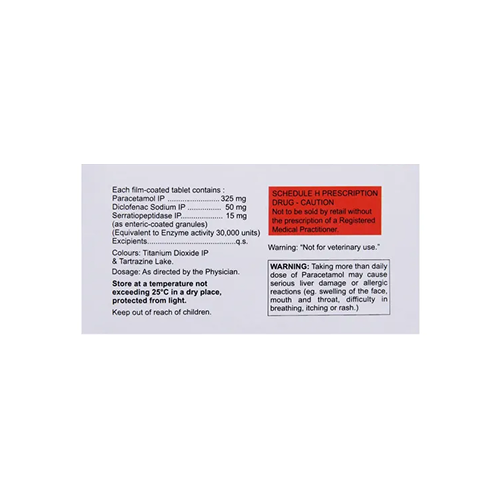
Enzoflam Tablet
Diclofenac (50mg) + Paracetamol (325mg) + Serratiopeptidase (15mg)
MRP
₹189.2
PKG
10 TABLETS
Stock
1208
₹189.2
₹142.28
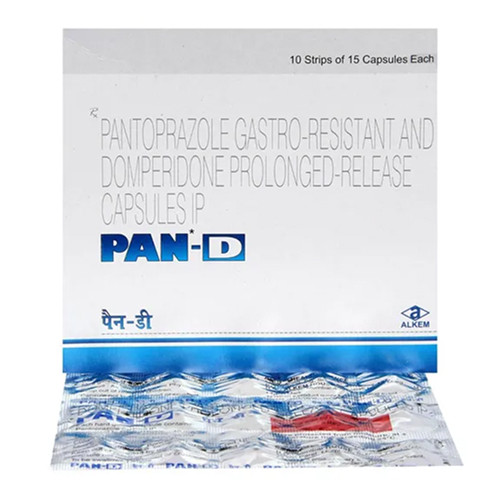
Pan D Capsule
Domperidone (30mg) + Pantoprazole (40mg)
MRP
₹261.9
PKG
15 CAPSULE
Stock
1100
₹261.9
₹196.95
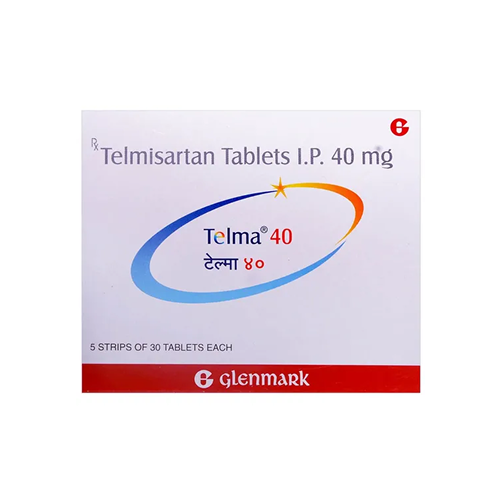

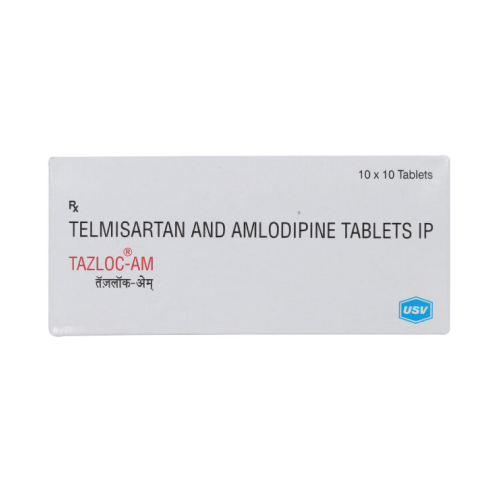
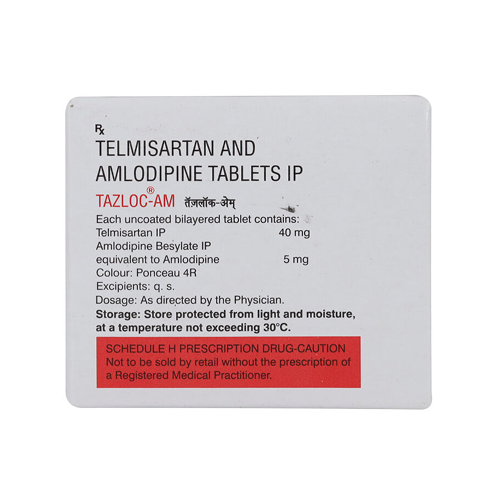
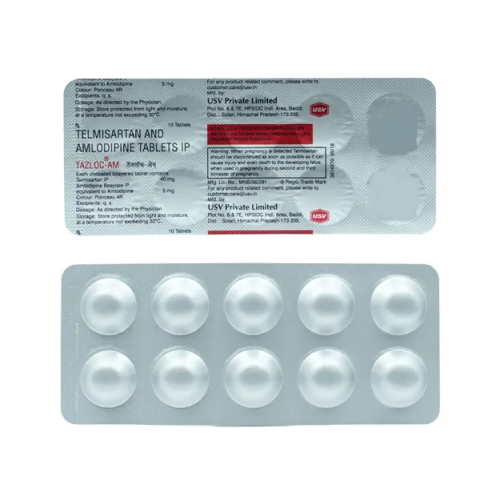
Tazloc-am Tablet
Telmisartan (40mg) + Amlodipine (5mg)
MRP
₹150.35
PKG
10 TABLET
Stock
480
₹150.35
₹113.06
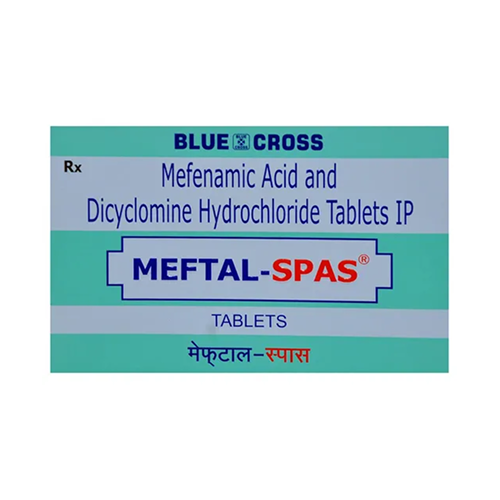
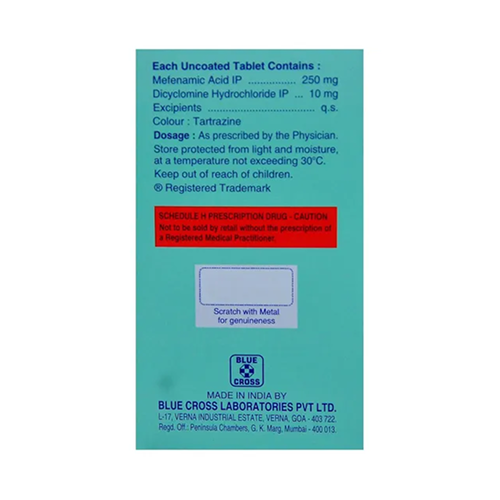
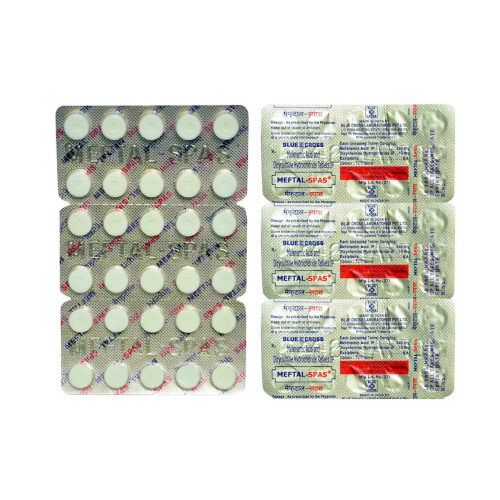
Meftal Spas Tablet
Dicyclomine (10mg) + Simethicone (40mg)
MRP
₹56.5
PKG
10 TABLET
Stock
456
₹56.5
₹42.49
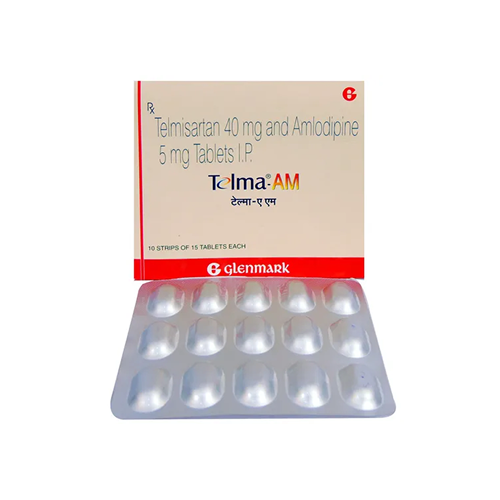
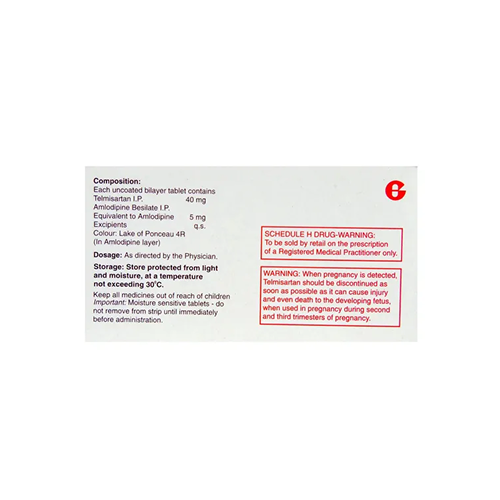
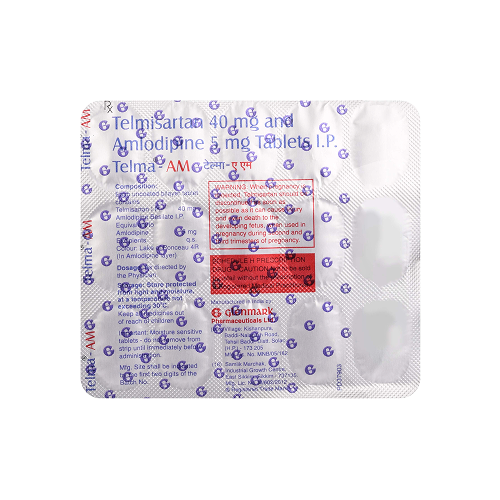
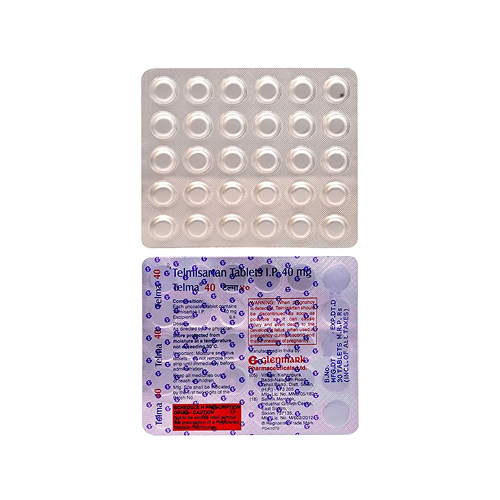
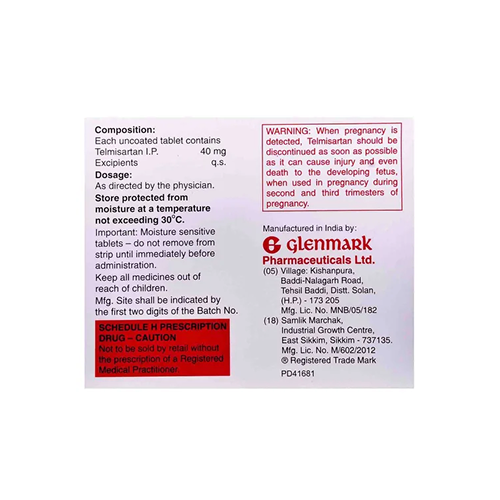
Telma-am Tablet
Telmisartan (40mg) + Amlodipine (5mg)
MRP
₹341.72
PKG
15 TABLET
Stock
434
₹341.72
₹256.98

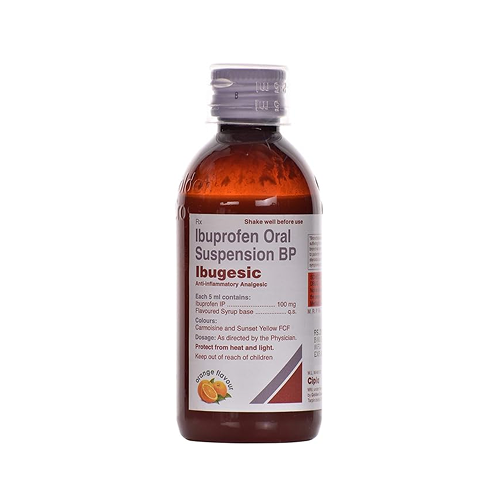
Ibugesic Plus Suspension (orange Flr)- 100 Ml
Ibuprofen-100mg + Paracetamol-162.5mg
MRP
₹62.27
PKG
100 ML
Stock
332
₹62.27
₹46.82
Frequently Asked Questions
What is Rantac 150 mg tablet used for?
Rantac 150 mg tablet contains ranitidine and is used to treat conditions caused by excess stomach acid, such as heartburn, gastroesophageal reflux disease (GERD), peptic ulcers, and Zollinger-Ellison syndrome.
How does Rantac 150 mg work?
Rantac is a histamine-2 (H2) receptor blocker. It reduces the amount of acid your stomach produces by blocking histamine on the stomach lining, providing relief from acid-related symptoms and helping ulcers heal.
What is the usual dosage for Rantac 150 mg?
The typical adult dose is 150 mg taken once or twice daily, depending on the condition being treated. Dosage and duration may vary, so follow your doctor's instructions.
What are the possible side effects of Rantac 150 mg?
Common side effects include headache, dizziness, constipation, or diarrhea. Rarely, it may cause allergic reactions, liver problems, or changes in heart rhythm. Report any unusual or severe symptoms to your doctor.
Is Rantac 150 mg safe during pregnancy or breastfeeding?
Rantac should be used during pregnancy or breastfeeding only if clearly needed and prescribed by a doctor. Discuss potential risks and benefits with your healthcare provider.
Can Rantac 150 mg be taken with other medications?
Rantac may interact with certain drugs, such as warfarin, ketoconazole, and atazanavir. Inform your doctor about all medications and supplements you are taking to avoid interactions.
What precautions should be taken while using Rantac 150 mg?
Inform your doctor if you have kidney or liver problems, a history of acute porphyria, or any allergies. Seek medical advice if symptoms persist or worsen, or if you experience unexplained weight loss or difficulty swallowing.
What should I do if I miss a dose?
If you miss a dose, take it as soon as you remember. If it is almost time for your next dose, skip the missed dose and resume your regular schedule. Do not double up to make up for a missed dose.
How should Rantac 150 mg be stored?
Store Rantac tablets at room temperature, away from moisture, heat, and direct sunlight. Keep out of reach of children.
Are there any recent safety concerns about Rantac?
Some batches of ranitidine have been withdrawn from the market in several countries due to concerns about impurities (NDMA). Consult your doctor for the latest recommendations and alternative treatments if needed.