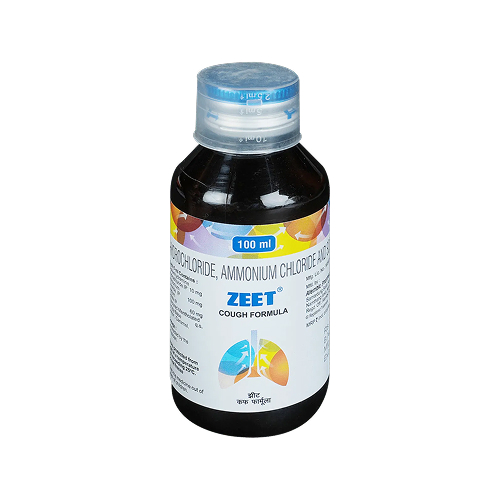
Zeet Syrup-100 Ml
Diphenhydramine (10mg/5ml) + Ammonium Chloride (100mg/5ml) + Sodium Citrate (60mg/5ml)
Source ID: 12276
₹150.6
₹113.25
(Inclusive of all taxes)Batch
-
PKG
100 ML
Expiry
-
MRP
₹150.6
Stock
27
Discount
24.8%
Description
ZEET SYRUP-100 ML by ALEMBIC PHARMACEUTICALS LTD
Zeet Syrup is a prescription medication manufactured by Alembic Pharmaceuticals Ltd, formulated to provide relief from various cough and cold symptoms.
-
Name:
- Brand Name: Zeet Syrup, Zeet Cough Formula Syrup, New Zeet Syrup.
-
Composition: Each 5ml of Zeet Syrup contains three active ingredients:
- Ammonium Chloride (100mg)
- Diphenhydramine (10mg)
- Sodium Citrate (60mg) These ingredients work synergistically to thin mucus, block histamines, and soothe the throat.
-
Uses: Zeet Syrup is primarily used to alleviate symptoms of cough associated with various conditions. These include:
- Bronchitis
- Upper respiratory tract infections (such as the common cold and sinusitis)
- Allergies, providing relief from symptoms like runny nose, stuffy nose, sneezing, watery eyes, and congestion. It acts as an expectorant to thin and loosen mucus, making it easier to expel, and as a cough suppressant.
-
Dosage and Administration: The recommended dose and duration of Zeet Syrup should be strictly followed as advised by a doctor.
- It can be taken with or without food, but consistent timing is often recommended.
- The bottle should be shaken well before each use, and the syrup should be measured accurately with a measuring cup.
- For the 100 ml variant, swallow the syrup whole with water; do not chew, break, or crush it.
- Typically, for nasal congestion, a single maximum dose of 5 ml, three times daily for 7 days, has been mentioned in some contexts, but this can vary based on individual factors.
-
Side Effects: While generally considered safe when guided by a doctor, some individuals may experience side effects.
- Common Side Effects: Sleepiness, dizziness, headache, stomach upset/pain (epigastric pain), loss of appetite, impaired coordination, thickened respiratory tract secretions, and dry mouth.
- Serious Side Effects: Though rare, severe allergic reactions such as swelling of the face or throat, difficulty breathing, irregular heartbeat, seizures, confusion, or very low blood pressure may occur.
-
Precautions:
- Alcohol: Avoid consuming alcohol, as it can worsen dizziness and drowsiness caused by the medication.
- Driving and Operating Machinery: Zeet Syrup can cause dizziness and sleepiness; therefore, activities requiring mental focus, such as driving or operating machinery, should be avoided until you understand how the medicine affects you.
- Pregnancy and Breastfeeding: Use with caution and only after consulting a doctor, as safety has not been fully established, and it is considered unsafe in some contexts.
- Pre-existing Medical Conditions: Patients with a history of allergic reactions, liver or kidney disease, glaucoma, severe respiratory problems (like asthma, COPD, chronic bronchitis, emphysema), prostate problems, narrow-angle glaucoma, stomach or bowel ulcers, glucose-galactose malabsorption, sucrase-isomaltase deficiency, or fructose intolerance should inform their doctor before taking this medicine. Dose adjustments may be required for liver and kidney impairment.
- Drug Interactions: Inform your doctor about all other medications (prescription, non-prescription, herbal remedies) being taken to avoid potential interactions, especially with antidepressants (e.g., Selegiline, Isocarboxazid, Amitriptyline, Doxepin), anticholinergic agents (e.g., Atropine, Benztropine), anticancer medications (e.g., Adagrasib), medications for mental health conditions (e.g., Brexpiprazole, Thioridazine), and medications for Gaucher disease (e.g., Eliglustat).
- Children: Zeet Syrup should be given to children only if prescribed by a doctor, typically for those aged 6 years and above, with medical advice for infants below 6 years.
- Fluid Intake: It is beneficial to have plenty of fluids while taking this medication.
- Persistent Symptoms: If the cough persists for more than 1 week, recurs, or is accompanied by fever, rash, or persistent headache, consult a doctor.
-
Storage:
- Store Zeet Syrup at a temperature below 30°C.
- Protect it from light and moisture.
- Keep this medicine out of the sight and reach of children and pets.
- Do not use the medicine after its expiry date.
₹150.6
₹113.25
(Inclusive of all taxes)Shop by Frequently Purchased Items
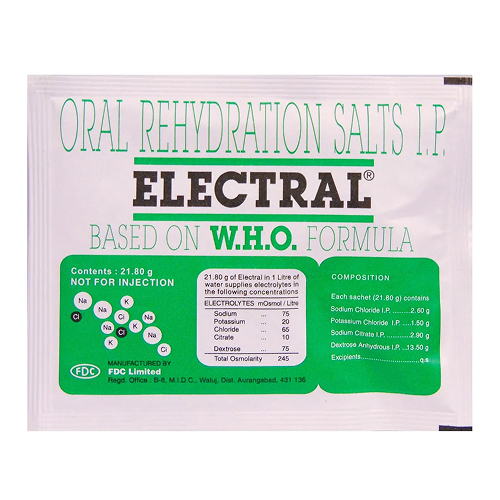
Electral 21.8gm
Dextrose-13.5gm + Potassium Chloride-1.5gm + Sodium Chloride-2.6gm + Sodium Citrate-2.9gm
MRP
₹23.2
PKG
21.8 GM
Stock
6735
₹23.2
₹17.45
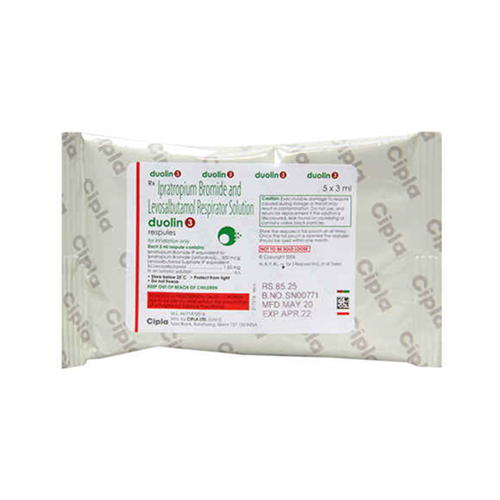
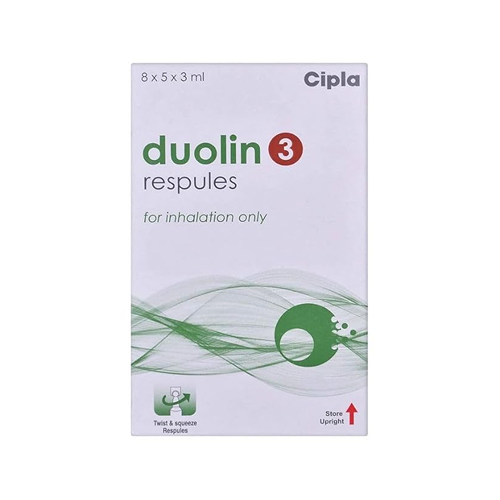
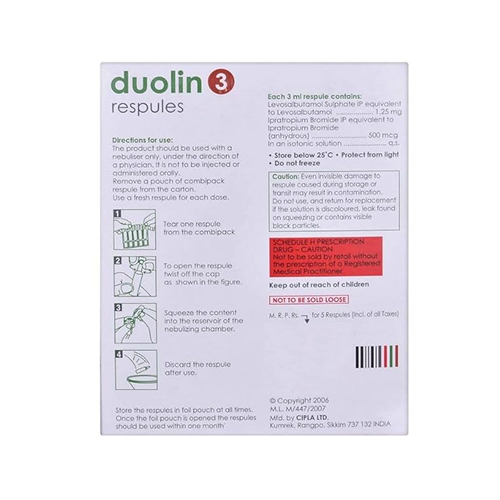
Duolin 3 Respules 3ml
Levosalbutamol (1.25mg) + Ipratropium (500mcg)
MRP
₹28.28
PKG
1 RESPULES
Stock
3478
₹28.28
₹21.27
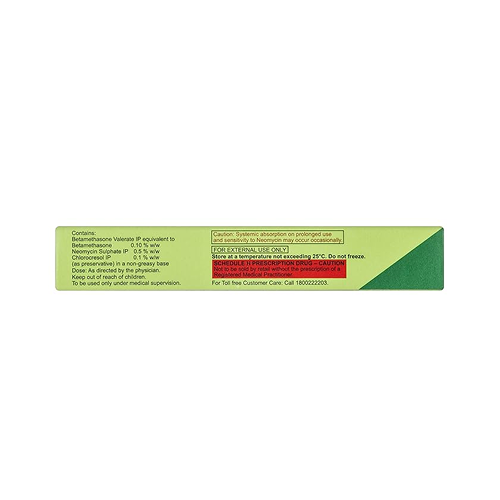
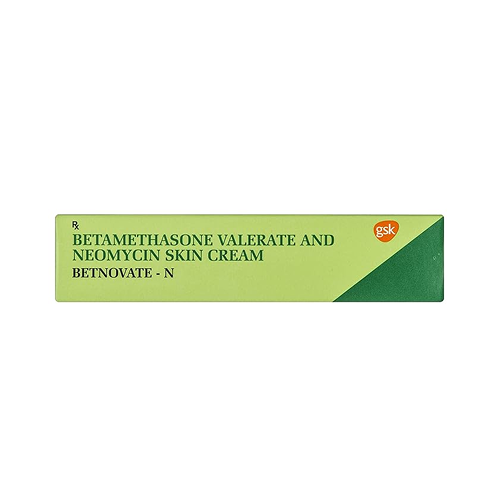
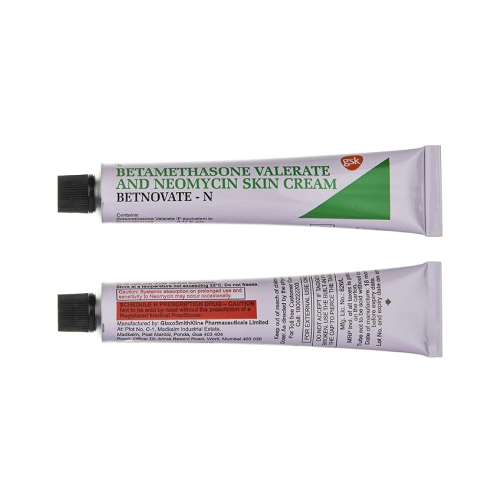
Betnovate N Oint-25 Gm
Betamethasone (0.1% W/w) + Neomycin (0.5% W/w)
MRP
₹68.9
PKG
25 GM
Stock
1916
₹68.9
₹51.82
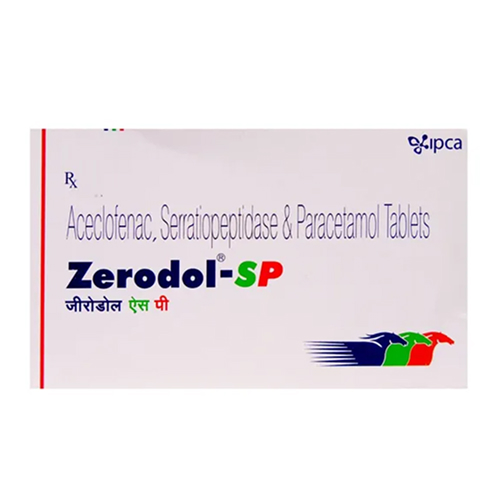
Zerodol Sp Tablet
Aceclofenac (100mg) + Paracetamol (325mg) + Serratiopeptidase (15mg)
MRP
₹139.69
PKG
10 TABLET
Stock
1771
₹139.69
₹105.04
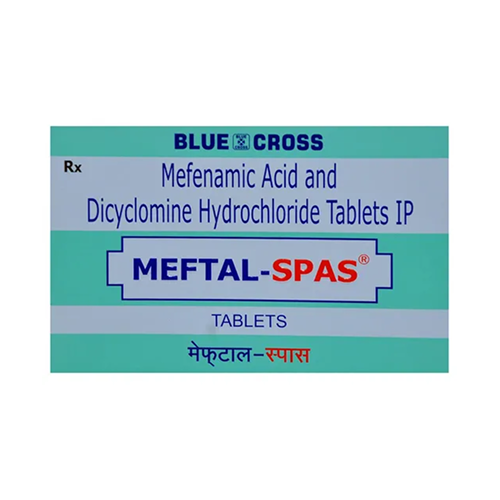
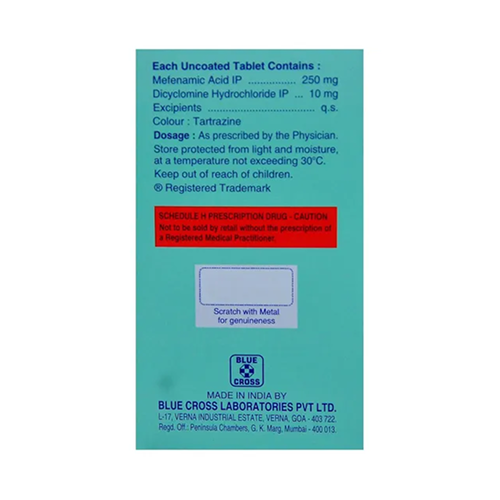
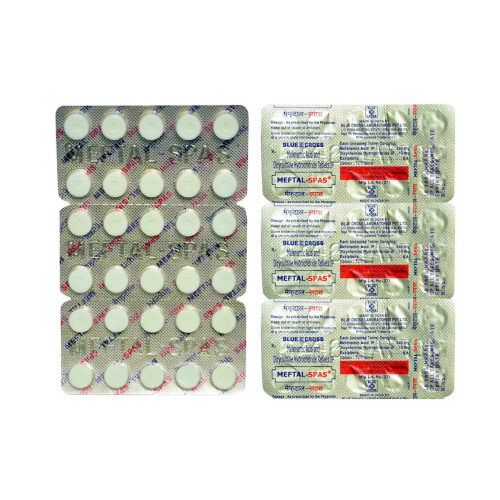
Meftal Spas Tablet
Dicyclomine (10mg) + Simethicone (40mg)
MRP
₹51.56
PKG
10 TABLET
Stock
637
₹51.56
₹38.77
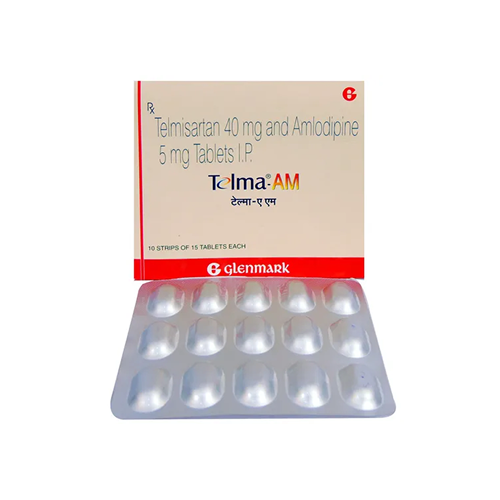
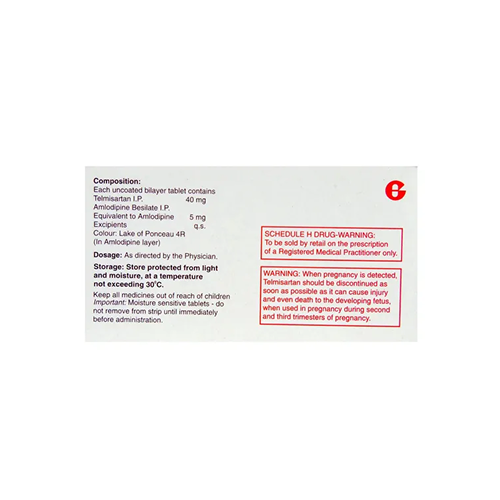
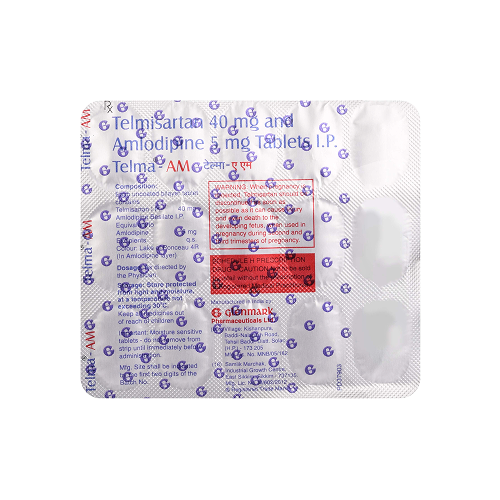
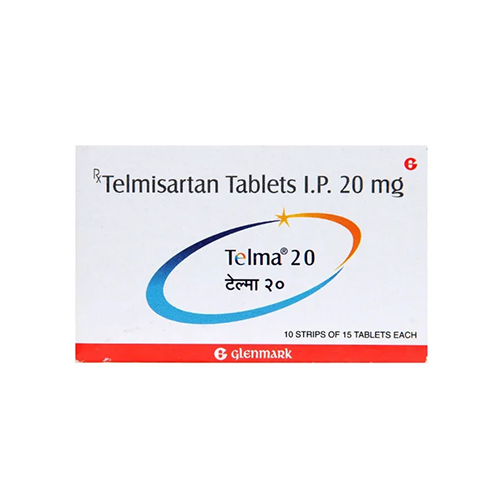
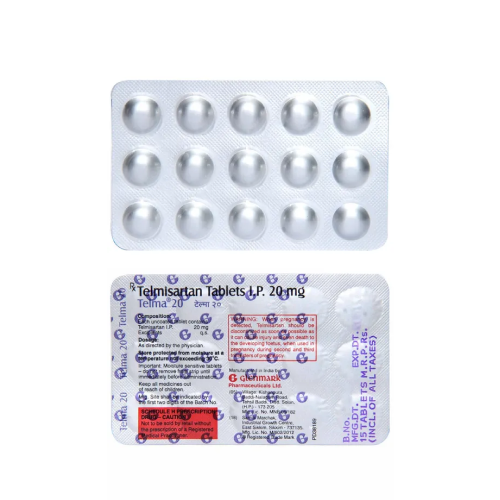
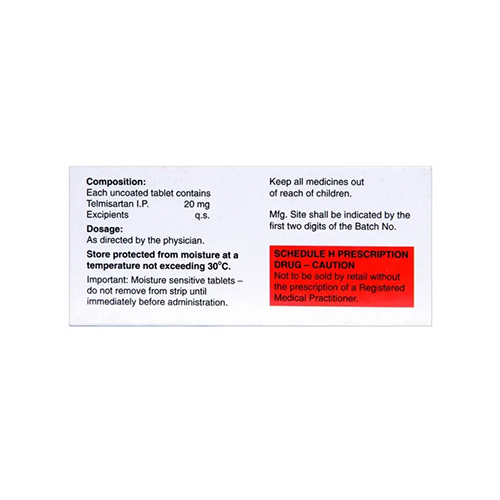
Telma-am Tablet
Telmisartan (40mg) + Amlodipine (5mg)
MRP
₹341.72
PKG
15 TABLET
Stock
632
₹341.72
₹256.98

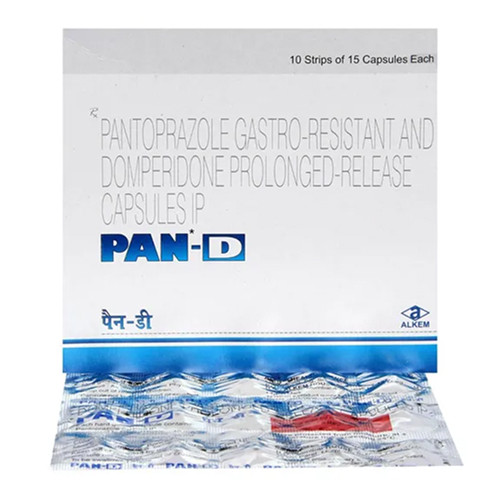
Pan D Capsule
Domperidone (30mg) + Pantoprazole (40mg)
MRP
₹261.9
PKG
15 CAPSULE
Stock
504
₹261.9
₹196.95
Vylda-m 500mg Tablet
Metformin undefined (500mg) + undefined Vildagliptin (50mg)
MRP
₹179.9
PKG
10 TABLETS
Stock
412
₹179.9
₹135.28
Imol Plus Tab
Ibuprofen (400mg) + Paracetamol (325mg) + Caffeine (25mg)
MRP
₹24.44
PKG
10 TABLET
Stock
365
₹24.44
₹18.38
Frequently Asked Questions
1. What is Zeet Syrup used for?
Zeet Syrup is commonly used to treat cough and cold symptoms. It provides relief from allergies such as runny nose, stuffy nose, sneezing, watery eyes, and congestion. It also helps in thinning mucus in the nose, windpipe, and lungs, making it easier to cough out phlegm and irritants. Zeet Syrup is effective for symptoms associated with bronchitis, upper respiratory tract infections, and throat irritation.
2. How does Zeet Syrup work?
Zeet Syrup contains a combination of three active ingredients: Diphenhydramine, Ammonium Chloride, and Sodium Citrate.
- Diphenhydramine acts as an antihistamine, blocking a chemical called histamine that causes allergic reactions, thereby alleviating symptoms like runny nose and sneezing. It also works as a cough suppressant.
- Ammonium Chloride is an expectorant that reduces the stickiness of mucus in the airways, making it easier to expel.
- Sodium Citrate is a mucolytic agent that thins and loosens mucus, helps reduce congestion, and soothes throat irritation, facilitating easier coughing out of phlegm.
3. What is the usual dosage for Zeet Syrup?
The dosage of Zeet Syrup should be taken as prescribed by your doctor. It is tailored to your individual condition and how you respond to the medication. It's crucial to follow the prescribed duration of treatment. The syrup can generally be taken with or without food, but it's advisable to take it at the same time daily for consistent results.
4. What are the possible side effects of Zeet Syrup?
Common side effects associated with Zeet Syrup may include stomach pain, dizziness, sleepiness, impaired coordination, thickened respiratory tract secretions, and allergic reactions. Other possible side effects include headache, stomach upset, and dry mouth. These side effects are usually temporary and tend to resolve over time. If any side effects persist or cause concern, it is advisable to consult your doctor.
5. Is Zeet Syrup safe during pregnancy or breastfeeding?
Pregnancy: Zeet Syrup should generally be avoided during pregnancy as it may cause harm to the unborn baby. It is highly unsafe to use during pregnancy. Consult your doctor immediately if you are pregnant, planning for pregnancy, or think you may be pregnant before taking this medicine.
Breastfeeding: Zeet Syrup is considered unsafe during breastfeeding as it can pass into breast milk and potentially harm the breastfed infant. It is recommended to consult your doctor before using this medicine while breastfeeding.
6. Can Zeet Syrup be taken with other medications?
It is essential to inform your doctor about all other medications you are taking, including prescription, non-prescription, and herbal remedies, to prevent potential side effects or interactions. Zeet Syrup can interact with certain medications, including MAO inhibitors (used for psychiatric illness), other anti-allergic medicines, anticholinergic agents (used for motion sickness or Parkinson's disease), opioids (for pain relief), and some medicines for heart problems or blood pressure.
7. What precautions should be taken while using Zeet Syrup?
Exercise caution if you have conditions such as asthma, prostate problems, narrow-angle glaucoma, stomach or bowel ulcers, certain malabsorption issues, or kidney or liver problems. Zeet Syrup can cause dizziness and drowsiness, so avoid driving or operating heavy machinery until you understand how the medication affects you. Alcohol consumption should be avoided as it can worsen dizziness and drowsiness. Do not self-medicate or recommend this medicine to others. Adequate fluid intake is recommended while taking this medication.
8. What happens if a dose of Zeet Syrup is missed?
If you miss a dose of Zeet Syrup, take it as soon as you remember. However, if it is almost time for your next scheduled dose, skip the missed dose and continue with your regular dosing schedule. Do not take a double dose to make up for the missed one.
9. How should Zeet Syrup be stored?
Zeet Syrup should be stored below 30°C in a cool and dry place, away from direct sunlight, light, and moisture. Keep this medicine out of the sight and reach of children and pets. Do not use this medicine after its expiry date.