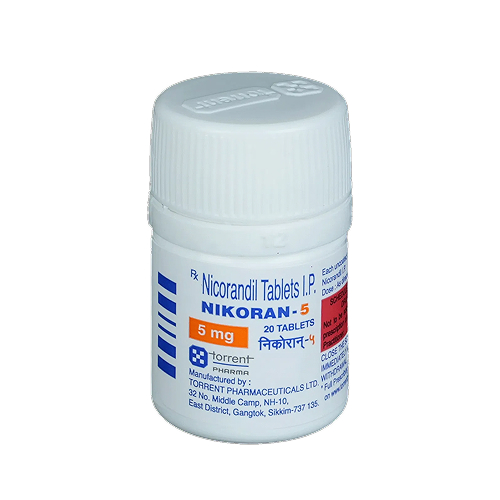
Nikoran 5mg 20tablet Btl
Nicorandil (5mg)
Source ID: 240216
₹494.76
₹372.06
(Inclusive of all taxes)Batch
-
PKG
20 TABLET
Expiry
-
MRP
₹494.76
Stock
110
Discount
24.8%
Description
NIKORAN 5MG 20TABLET BTL
Name
- Generic Name: Nicorandil
- Brand Name: Nikoran
Composition
- Active Ingredient: Nicorandil 5 mg per tablet
Uses
- Indications:
- Prevention and long-term management of chronic stable angina pectoris (chest pain due to coronary heart disease)
- May be used in patients who do not respond adequately to other anti-anginal medications or when other therapies are unsuitable
Dosage and Administration
- Typical Dosage:
- Initial dose: 5 mg orally twice daily
- Maintenance dose: May be increased to 10–20 mg twice daily as needed
- Dosage should be individualized based on response and tolerability
- Administration:
- Tablets should be swallowed whole with water
- Can be taken with or without food
Side Effects
- Common Side Effects:
- Headache (very common, especially at initiation)
- Flushing
- Dizziness
- Nausea
- Serious Side Effects:
- Ulceration (oral, gastrointestinal, skin, or genital)
- Severe hypotension
- Tachycardia
- Allergic reactions
Precautions
- Warnings:
- Not recommended for acute angina attacks or unstable angina
- Use caution in patients with hypotension, hypovolemia, or left ventricular dysfunction
- May interact with phosphodiesterase-5 inhibitors (e.g., sildenafil), increasing risk of severe hypotension
- Use with caution in patients with a history of gastrointestinal ulcers
- Contraindications:
- Severe hypotension
- Cardiogenic shock
- Concomitant use with PDE-5 inhibitors
Storage
- Store below 25°C (77°F)
- Keep tablets in the original container, tightly closed and protected from moisture
- Keep out of reach of children
₹494.76
₹372.06
(Inclusive of all taxes)Shop by Frequently Purchased Items

Electral 21.8gm
Dextrose-13.5gm + Potassium Chloride-1.5gm + Sodium Chloride-2.6gm + Sodium Citrate-2.9gm
MRP
₹23.2
PKG
21.8 GM
Stock
5888
₹23.2
₹17.45
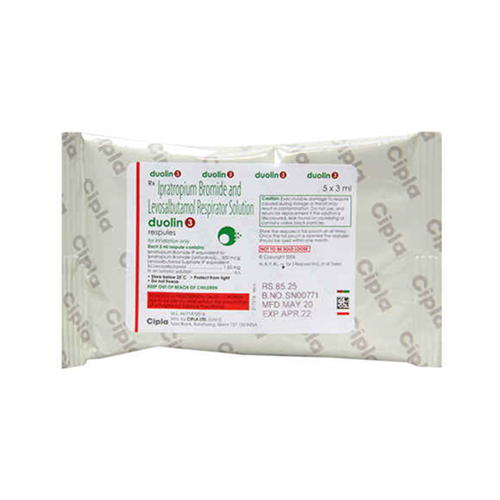
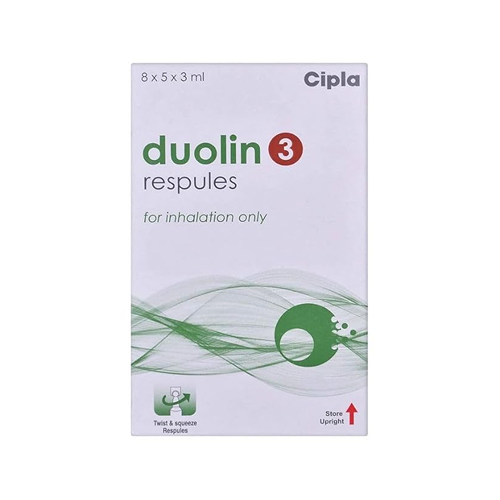
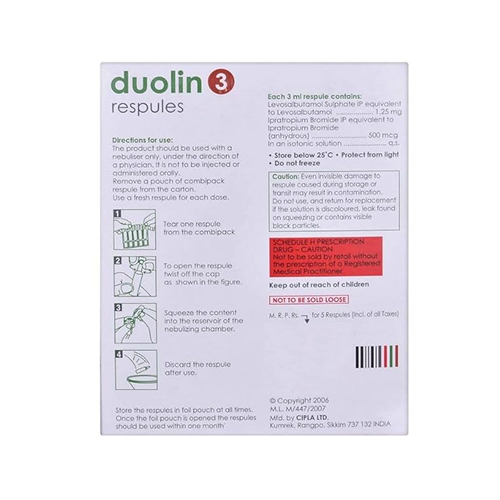
Duolin 3 Respules 3ml
Levosalbutamol (1.25mg) + Ipratropium (500mcg)
MRP
₹28.28
PKG
1 RESPULES
Stock
2819
₹28.28
₹21.27
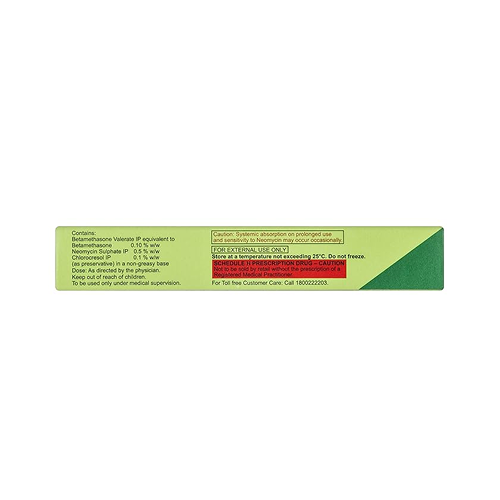


Betnovate N Oint-25 Gm
Betamethasone (0.1% W/w) + Neomycin (0.5% W/w)
MRP
₹68.9
PKG
25 GM
Stock
1884
₹68.9
₹51.82
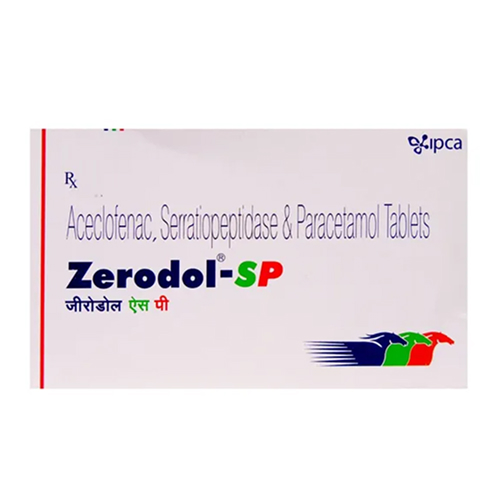
Zerodol Sp Tablet
Aceclofenac (100mg) + Paracetamol (325mg) + Serratiopeptidase (15mg)
MRP
₹139.69
PKG
10 TABLET
Stock
1565
₹139.69
₹105.04

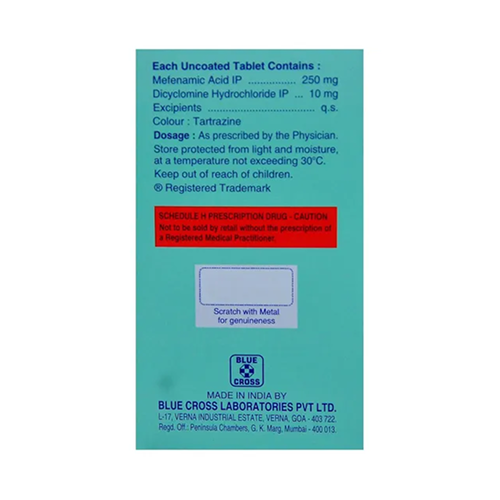
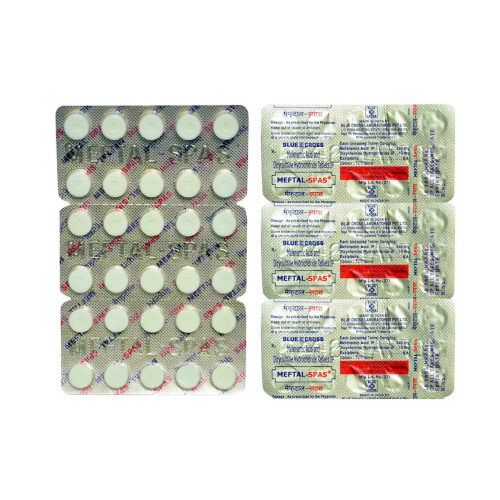
Meftal Spas Tablet
Dicyclomine (10mg) + Simethicone (40mg)
MRP
₹51.56
PKG
10 TABLET
Stock
551
₹51.56
₹38.77
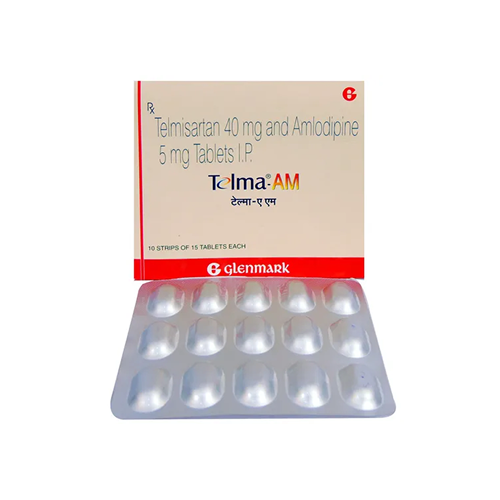
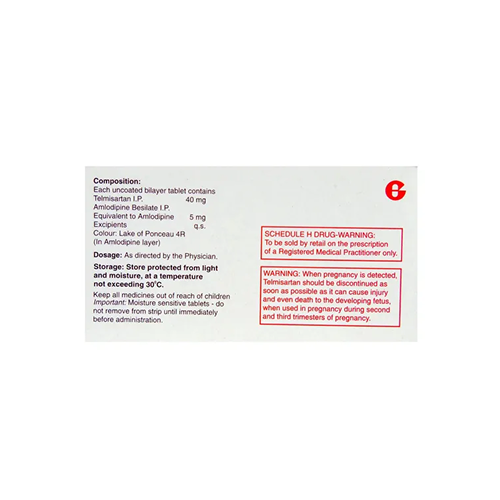
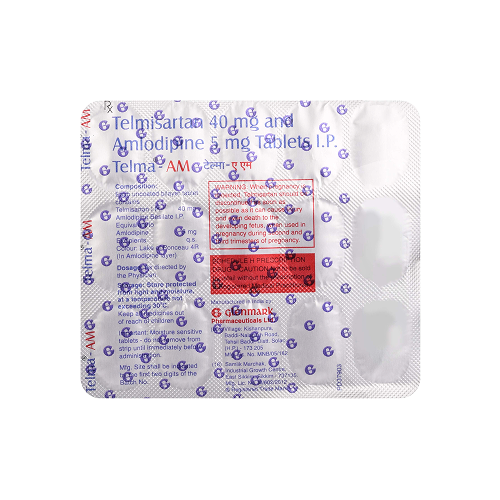
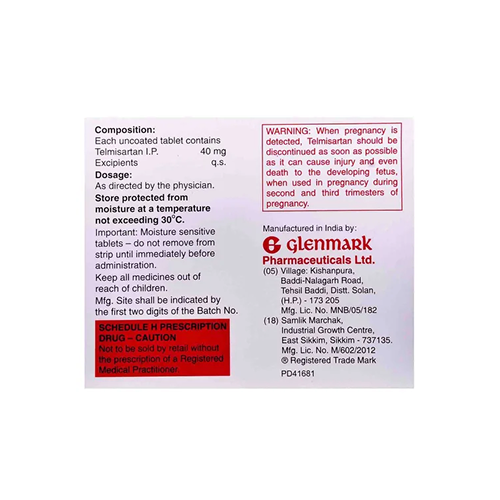
Telma-am Tablet
Telmisartan (40mg) + Amlodipine (5mg)
MRP
₹341.72
PKG
15 TABLET
Stock
493
₹341.72
₹256.98
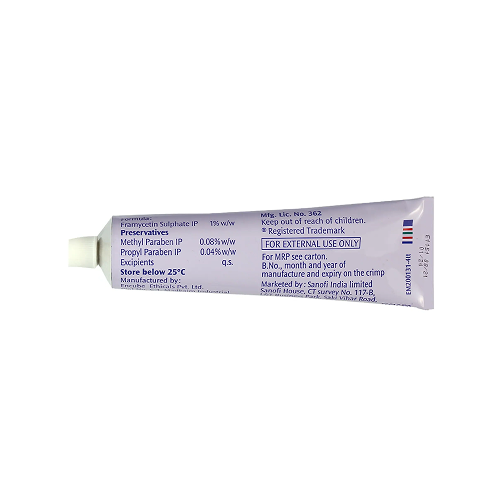

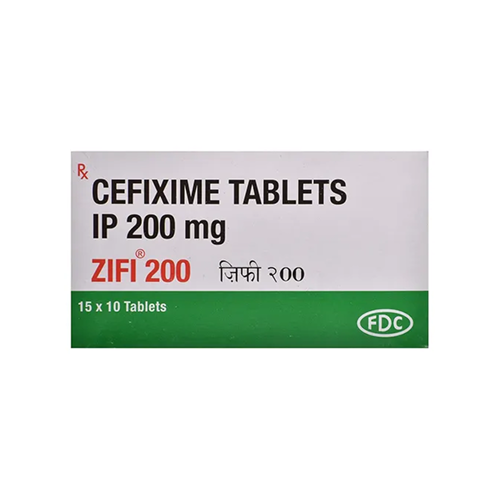


Vylda-m 500mg Tablet
Metformin undefined (500mg) + undefined Vildagliptin (50mg)
MRP
₹179.9
PKG
10 TABLETS
Stock
389
₹179.9
₹135.28

Pan D Capsule
Domperidone (30mg) + Pantoprazole (40mg)
MRP
₹261.9
PKG
15 CAPSULE
Stock
364
₹261.9
₹196.95
Imol Plus Tab
Ibuprofen (400mg) + Paracetamol (325mg) + Caffeine (25mg)
MRP
₹24.44
PKG
10 TABLET
Stock
349
₹24.44
₹18.38
Frequently Asked Questions
What is Nikoran 5mg used for?
Nikoran 5mg contains nicorandil, which is used to prevent and treat chest pain (angina) caused by reduced blood flow to the heart.
How does Nikoran work?
Nikoran works by dilating (widening) the blood vessels in the heart, improving blood and oxygen supply, and reducing the heart's workload. This helps to relieve and prevent angina attacks.
What is the usual dosage of Nikoran?
The usual starting dose is 5mg taken twice daily, but your doctor may adjust the dose based on your response and medical condition. Always take Nikoran exactly as prescribed.
What are the possible side effects of Nikoran?
Common side effects include headache, flushing, dizziness, weakness, and nausea. Rare but serious side effects can include mouth ulcers, low blood pressure, or severe skin reactions. Tell your doctor if you experience persistent or severe symptoms.
Is Nikoran safe during pregnancy or breastfeeding?
Nikoran is generally not recommended during pregnancy or breastfeeding unless your doctor considers it essential. Discuss with your doctor if you are pregnant, planning pregnancy, or breastfeeding.
Can Nikoran be taken with other medications?
Nikoran can interact with other medicines, especially those for blood pressure, erectile dysfunction (such as sildenafil), and certain pain medications. Always inform your doctor about all the medicines you are taking.
What precautions should be taken while using Nikoran?
- Do not stop taking Nikoran suddenly without consulting your doctor.
- Be cautious if you have low blood pressure, heart failure, or liver/kidney problems.
- Avoid driving or operating machinery if you feel dizzy or weak.
What should I do if I miss a dose?
If you miss a dose, take it as soon as you remember. If it is almost time for your next dose, skip the missed dose and continue as usual. Do not take a double dose.
How should Nikoran be stored?
Store Nikoran tablets at room temperature, away from moisture, heat, and direct sunlight. Keep the medicine out of reach of children.
When should I contact my doctor while taking Nikoran?
Contact your doctor if you experience severe headaches, mouth ulcers, signs of an allergic reaction (such as rash or difficulty breathing), or if your chest pain worsens or does not improve.