Ticabid 60
Not Available
Source ID: 255799
₹246.75
₹185.56
(Inclusive of all taxes)Batch
-
PKG
10 TABLETS
Expiry
-
MRP
₹246.75
Stock
7
Discount
24.8%
Description
TICABID 60
Name:
- Common Name: Ticagrelor
- Brand Name: TICABID 60 (by LUPIN LTD)
- Other Brand Names: Brilinta (commonly associated with ticagrelor)
Composition:
- Active Ingredient: Ticagrelor 60 mg
Uses: TICABID 60 (Ticagrelor) is an antiplatelet medication used to prevent serious cardiovascular events. It is prescribed for adults in combination with a daily low-dose aspirin to:
- Reduce the risk of cardiovascular death, myocardial infarction (MI), and stroke in patients with acute coronary syndrome (ACS) or a history of MI.
- Reduce the rate of stent thrombosis in patients who have received a stent for ACS treatment.
- Lowe the risk of a first MI or stroke in individuals with coronary artery disease (CAD) who are at high risk for such events, particularly those with type 2 diabetes mellitus.
- Reduce the risk of stroke in patients with acute ischemic stroke or high-risk transient ischemic attack (TIA).
Dosage and Administration:
- For extended treatment in patients with a history of MI (at least one year ago) and a high risk of atherothrombotic events, the typical maintenance dose is 60 mg taken twice daily.
- This dose is often a continuation after an initial one-year treatment with ticagrelor 90 mg twice daily (or other antiplatelet therapy) following an ACS event.
- TICABID 60 should be administered concurrently with a daily maintenance dose of aspirin between 75 mg and 100 mg. Aspirin doses exceeding 100 mg daily may diminish ticagrelor's effectiveness and should be avoided.
- The tablets can be taken with or without food.
- Do not abruptly stop taking this medication without consulting a healthcare professional, as this can increase the risk of a heart attack or stroke.
Side Effects:
- Common Side Effects: Bleeding (e.g., nosebleeds, bruising, heavier periods), shortness of breath (dyspnea), headache, dizziness, nausea, indigestion, diarrhea, and increased uric acid levels which can lead to gout.
- Serious Side Effects: Severe bleeding (e.g., coughing up or vomiting blood, prolonged nosebleeds, internal bleeding), severe allergic reactions (characterized by a swollen, itchy, blistering, or peeling rash), and fainting.
Precautions:
- Contraindications: TICABID 60 is contraindicated in patients with active pathological bleeding, a history of intracranial hemorrhage, severe liver disease, or hypersensitivity to ticagrelor or any of its components. Concomitant use with strong CYP3A4 inhibitors (such as ketoconazole, clarithromycin, ritonavir, atazanavir) is also contraindicated due to the risk of substantially increased ticagrelor exposure.
- Warnings: Use with caution in patients at increased risk of bleeding due to recent trauma, recent surgery (including dental work), coagulation disorders, or recent gastrointestinal bleeding.
- Patients with lung diseases (e.g., asthma, COPD) or certain heart rhythm problems should use this medication with caution.
- If elective surgery is planned and an antiplatelet effect is not desired, TICABID 60 should typically be discontinued 5 days prior to the procedure.
- Not recommended for use during pregnancy or breastfeeding.
- Avoid or use with caution with other medications that increase bleeding risk, such as other oral anticoagulants (heparin, warfarin), NSAIDs (ibuprofen, naproxen), and fibrinolytics.
- Renal function should be monitored, as creatinine levels may increase during treatment.
Storage:
- Store TICABID 60 tablets in a closed container at room temperature, typically between 15°C to 30°C (68°F to 77°F).
- Keep the medicine away from heat, moisture, and direct light, and prevent it from freezing.
- Keep out of the reach of children and pets.
₹246.75
₹185.56
(Inclusive of all taxes)Shop by Frequently Purchased Items
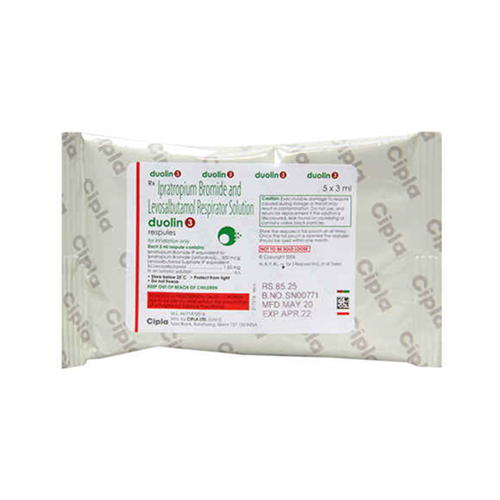
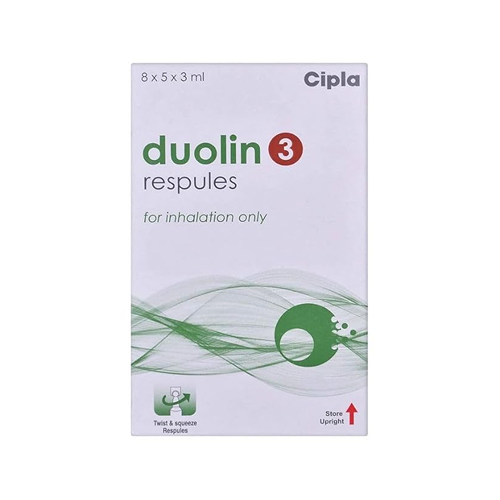
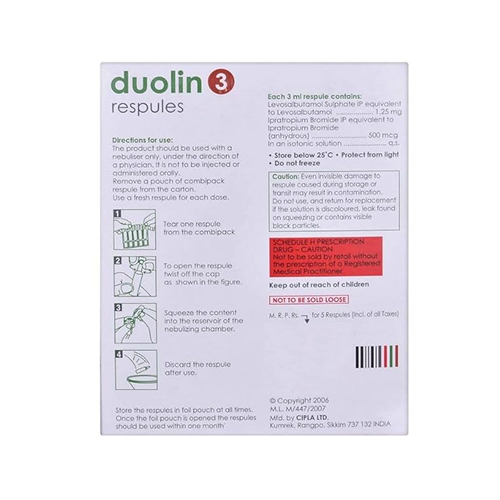
Duolin 3 Respules 3ml
Levosalbutamol (1.25mg) + Ipratropium (500mcg)
MRP
₹28.28
PKG
1 RESPULES
Stock
4009
₹28.28
₹21.27
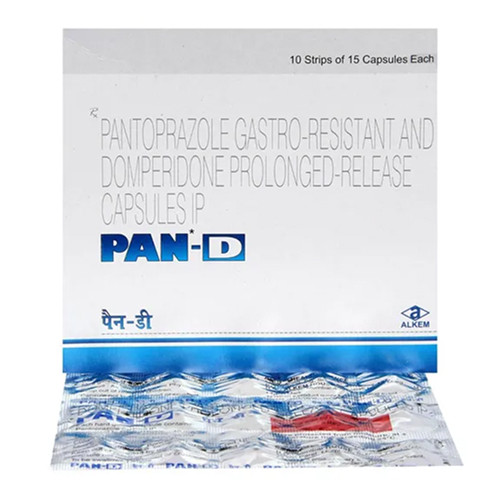
Pan D Capsule
Domperidone (30mg) + Pantoprazole (40mg)
MRP
₹261.9
PKG
15 CAPSULE
Stock
603
₹261.9
₹196.95
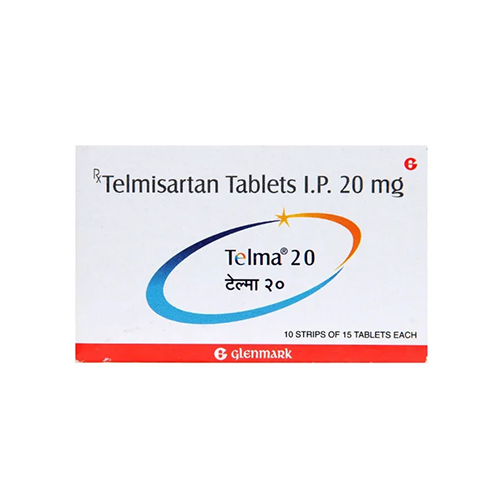
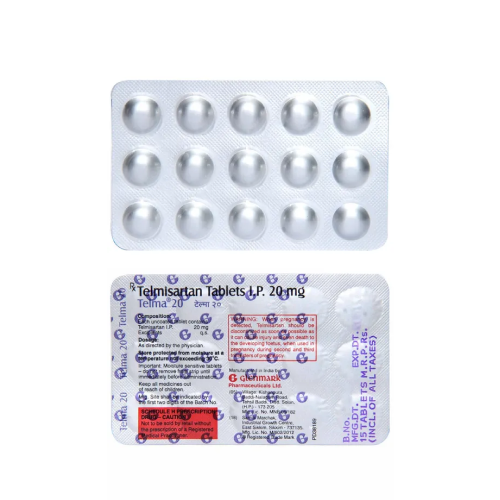
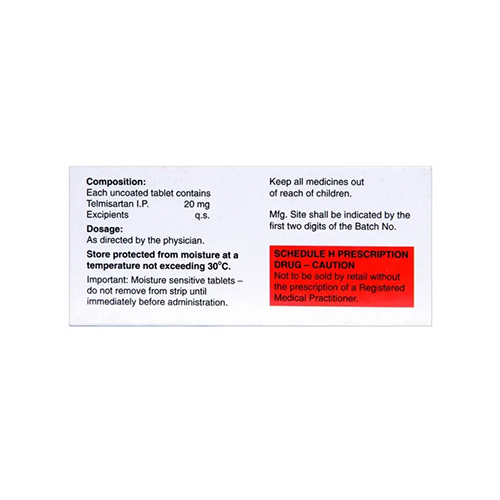

Vylda-m 500mg Tablet
Metformin undefined (500mg) + undefined Vildagliptin (50mg)
MRP
₹179.9
PKG
10 TABLETS
Stock
438
₹179.9
₹135.28
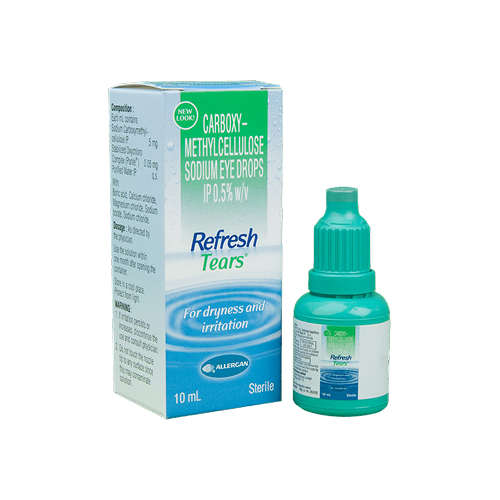
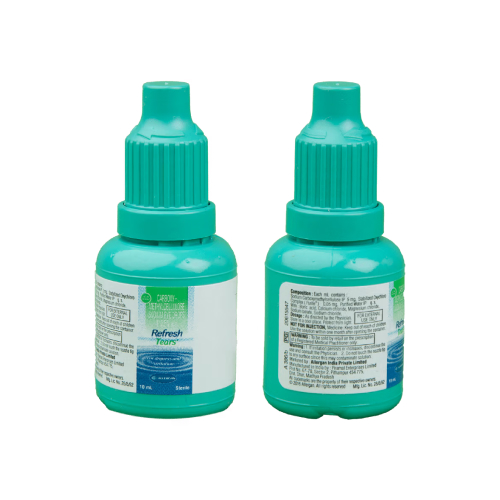
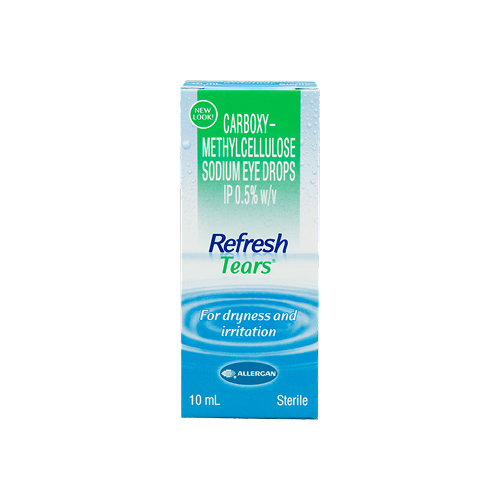
Refresh Tears Eye Drop 10 Ml
Carboxymethylcellulose (0.5% W/v)
MRP
₹132.12
PKG
10 ML
Stock
257
₹132.12
₹107.09
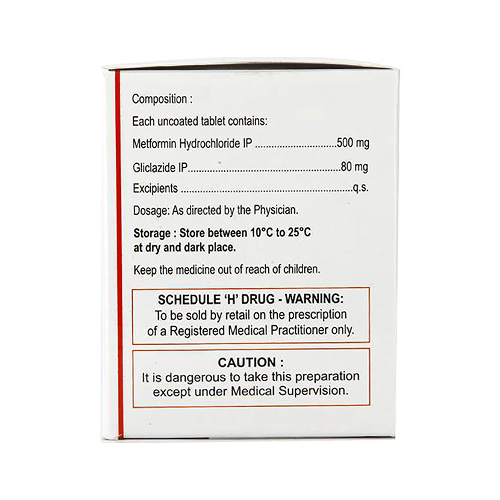
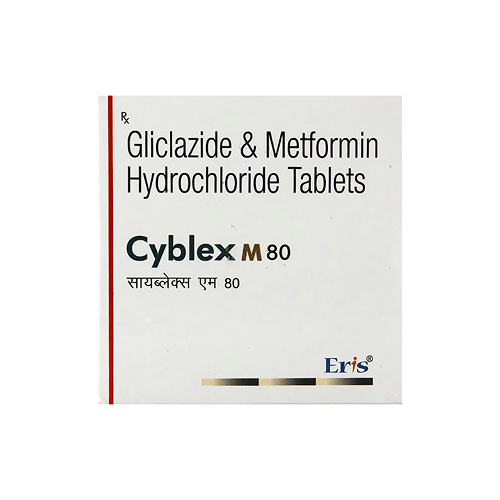
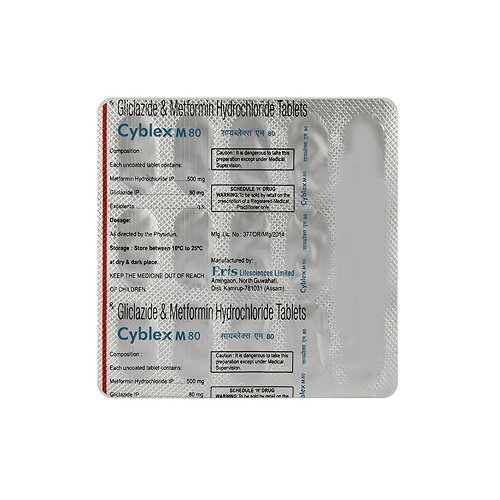
Cyblex M 80 Tablet
Gliclazide (80mg) + Metformin (500mg)
MRP
₹160.86
PKG
15 TABLET
Stock
81
₹160.86
₹120.97
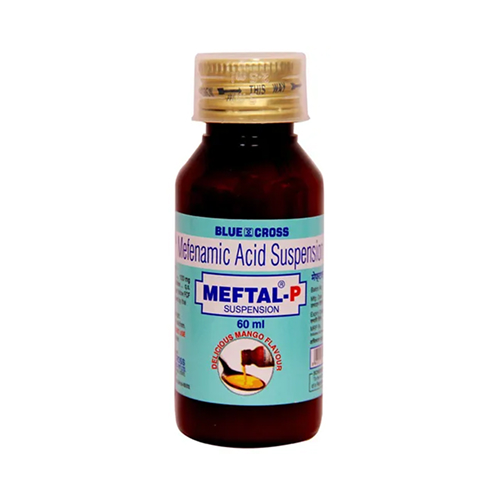
Meftal P 60 Ml Suspension Mango Flavour
Mefenamic Acid (100mg/5ml)
MRP
₹34.68
PKG
60 ML
Stock
78
₹34.68
₹26.08
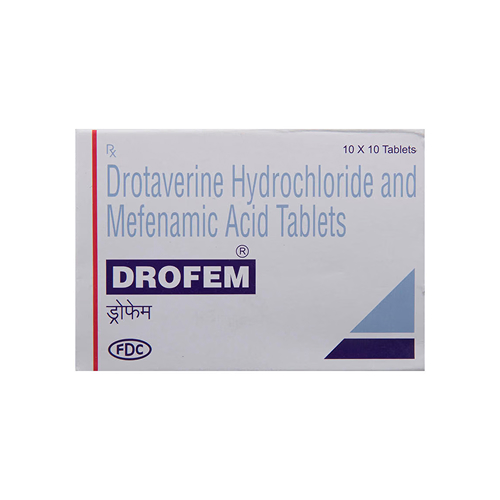
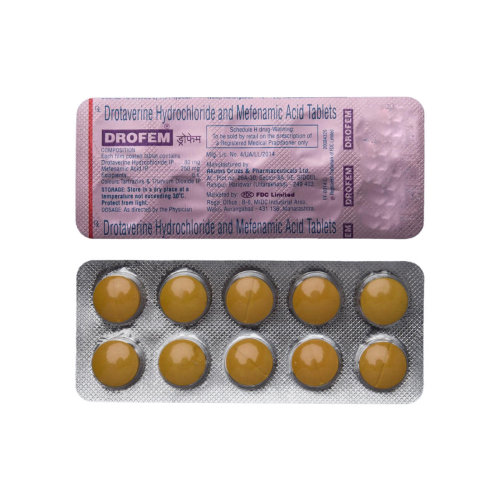
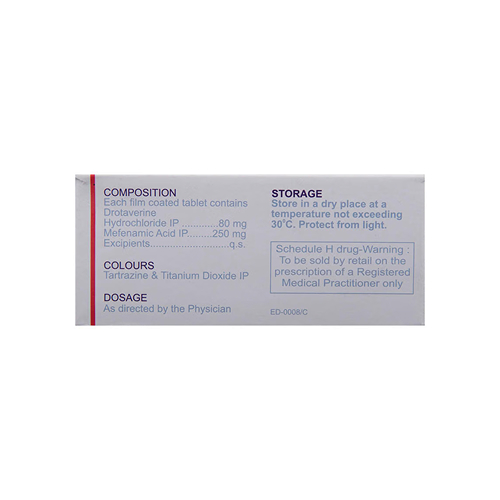
Drofem Tablet
Drotaverine (80mg) + Mefenamic Acid (250mg)
MRP
₹89.2
PKG
10 TABLET
Stock
70
₹89.2
₹67.08

Frequently Asked Questions
Here are some frequently asked questions about TICABID 60 (Ticagrelor):
What is TICABID 60 used for?
TICABID 60 is an antiplatelet medication used to reduce the risk of cardiovascular death, heart attack, and stroke in patients with acute coronary syndrome (ACS) or a history of myocardial infarction (heart attack). It is also prescribed to reduce the rate of stent thrombosis in patients who have received stents for ACS. Additionally, it helps lower the risk of a first heart attack or stroke in individuals with coronary artery disease (CAD) who are at high risk, and to reduce stroke risk in patients with acute ischemic stroke or high-risk transient ischemic attack (TIA).
How does TICABID 60 work?
TICABID 60 contains Ticagrelor, which is a P2Y12 adenosine diphosphate (ADP) receptor antagonist. It works by reversibly binding to the P2Y12 receptor on platelets, preventing their activation and aggregation (clumping together). This action helps to inhibit the formation of harmful blood clots in blood vessels, thereby improving blood flow and reducing the risk of heart attack and stroke. Unlike some other antiplatelet drugs, Ticagrelor does not require metabolic activation to be effective.
What is the usual dosage of TICABID 60?
The dosage of TICABID 60 depends on the condition being treated:
- For Acute Coronary Syndrome (ACS) or a history of myocardial infarction (MI): Treatment typically starts with a 180 mg loading dose (often two 90 mg tablets), followed by 90 mg twice daily for the first year. After one year, the maintenance dose is usually 60 mg twice daily for up to three years.
- For Coronary Artery Disease (CAD) without a prior stroke or MI: The usual dose is 60 mg twice daily.
- For Acute Ischemic Stroke or High-Risk Transient Ischemic Attack (TIA): An initial loading dose of 180 mg is given, followed by 90 mg twice daily for up to 30 days.
TICABID 60 is generally administered with a daily maintenance dose of aspirin (75 mg to 100 mg). However, taking more than 100 mg of aspirin daily can reduce the effectiveness of Ticagrelor and should be avoided unless specifically directed by your doctor.
What are the possible side effects of TICABID 60?
Common side effects of TICABID 60 can include increased bleeding or bruising (such as nosebleeds, heavier menstrual periods, or bruising more easily), shortness of breath, headache, dizziness, nausea, indigestion, diarrhea, constipation, and pain and swelling in joints (which may indicate gout).
Serious side effects, although less common, include severe, uncontrollable bleeding, signs of an allergic reaction (like rash, itching, swelling of the face, lips, tongue, or throat), and a slow heart rate which can cause dizziness or fainting. You should contact your doctor immediately if you experience any severe or concerning side effects.
Is TICABID 60 safe during pregnancy or breastfeeding?
Pregnancy: TICABID 60 (Ticagrelor) is generally not recommended during pregnancy due to very limited safety information and is classified as Pregnancy Category C. If you are pregnant or planning to become pregnant, discuss this with your doctor as they may recommend alternative treatments.
Breastfeeding: It is unknown whether Ticagrelor or its active metabolites are excreted in human breast milk, although it has been found in rat milk. Due to the potential for serious adverse reactions in nursing infants, breastfeeding is generally not recommended while taking TICABID 60. Your doctor will help you weigh the benefits and risks to decide whether to discontinue nursing or the medication, especially when nursing a newborn or preterm infant. If taken, infants should be monitored for any signs of bruising or bleeding.
Can TICABID 60 be taken with other medications?
TICABID 60 can interact with several medications. It is crucial to inform your doctor about all prescription, over-the-counter, and herbal medicines you are taking.
- Aspirin: It is typically taken with a low daily maintenance dose of aspirin (75-100 mg). However, aspirin doses exceeding 100 mg daily can reduce Ticagrelor's effectiveness.
- Other Blood Thinners & NSAIDs: Combining TICABID 60 with other antiplatelet drugs (e.g., clopidogrel, prasugrel) or anticoagulants (e.g., warfarin, rivaroxaban, apixaban) significantly increases the risk of bleeding. Non-steroidal anti-inflammatory drugs (NSAIDs) like ibuprofen or naproxen also increase bleeding risk.
- CYP3A4 Inhibitors: Medications that inhibit the CYP3A4 enzyme (e.g., certain antifungals like ketoconazole, voriconazole, itraconazole; macrolide antibiotics like clarithromycin; and some HIV medications like ritonavir) can increase the levels of Ticagrelor in your body, leading to a higher risk of side effects, including bleeding and shortness of breath. Strong CYP3A4 inhibitors should generally be avoided.
- CYP3A4 Inducers: Medications that induce the CYP3A4 enzyme (e.g., rifampin, phenytoin, carbamazepine, phenobarbital) can decrease the effectiveness of Ticagrelor and should be avoided.
- Other Medications: TICABID 60 may increase the levels of certain medications like digoxin and some statins (simvastatin, lovastatin – doses of these statins should not exceed 40 mg/day). Opioid agonists can delay and reduce the absorption of Ticagrelor.
What precautions should be taken while on TICABID 60?
TICABID 60 carries a boxed warning regarding bleeding risk. It should not be used in patients with active pathological bleeding (such as a stomach ulcer) or a history of bleeding in the brain (intracranial hemorrhage). Inform your doctor or dentist that you are taking this medication before any surgery or dental procedures, as you may need to stop TICABID 60 approximately five days beforehand to minimize bleeding risk. Use with caution if you have liver problems, lung or breathing problems (like asthma or COPD), or certain heart rhythm problems. Avoid high doses of aspirin (>100 mg/day) as it can reduce the effectiveness of TICABID 60.
What happens if a dose of TICABID 60 is missed?
If you miss a dose of TICABID 60, take it as soon as you remember. However, if it is almost time for your next scheduled dose, skip the missed dose and continue with your regular dosing schedule. Do not take a double dose to make up for a missed one.
How should TICABID 60 be stored?
Store TICABID 60 tablets at room temperature, between 20°C and 25°C (68°F and 77°F), away from excessive heat and moisture. Keep the medicine in its original closed container and out of the reach of children and pets.