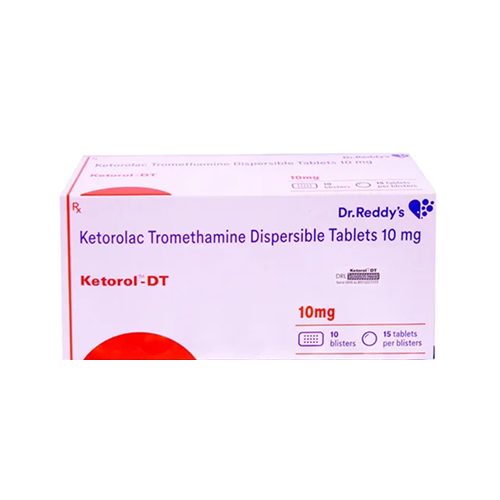
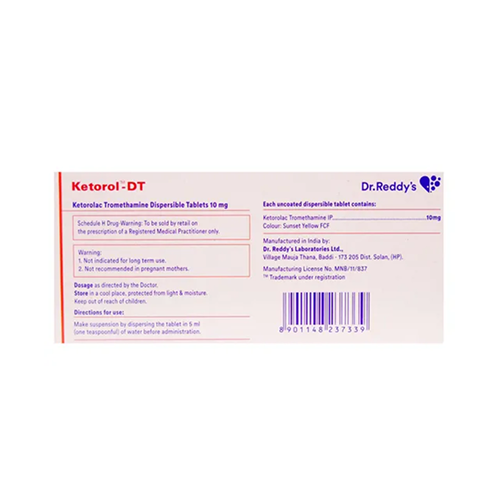
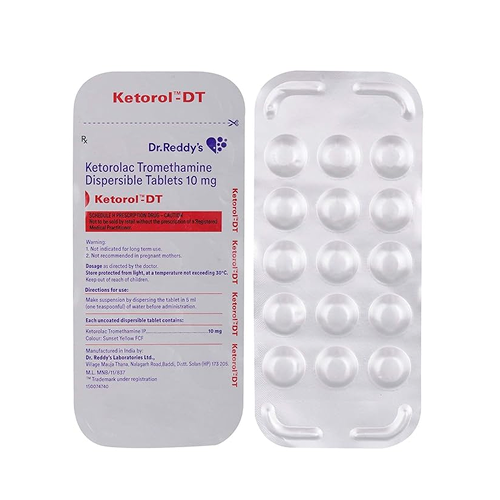
Ketorol-dt Tablet
Ketorolac (10mg)
Source ID: 65156
₹182.78
₹137.45
(Inclusive of all taxes)Batch
-
PKG
15 TABLET
Expiry
-
MRP
₹182.78
Stock
327
Discount
24.8%
Description
KETOROL-DT TABLET
Name
- Common Name: Ketorol-DT Tablet
- Brand Name: Ketorol-DT
Composition
- Active Ingredient: Ketorolac Tromethamine 10 mg (Dispersible Tablet)
Uses
- Short-term management of moderate to severe pain
- Postoperative pain relief
- Musculoskeletal pain
- Dental pain
- Pain due to injuries
Dosage and Administration
- Adults: Typically, 10 mg (one tablet) every 4 to 6 hours as needed.
- Maximum Dose: Do not exceed 40 mg per day.
- Administration: Place the dispersible tablet on the tongue; it dissolves quickly and can be swallowed with or without water.
- Duration: Use for the shortest duration possible (usually not more than 5 days).
- Not recommended for children under 16 years unless directed by a physician.
Side Effects
- Common:
- Nausea
- Stomach pain
- Indigestion
- Headache
- Drowsiness
- Serious:
- Gastrointestinal bleeding or ulcers
- Kidney dysfunction
- Severe allergic reactions (rash, swelling, difficulty breathing)
- Elevated liver enzymes
Precautions
- Avoid use in patients with active peptic ulcer, recent gastrointestinal bleeding, or severe renal impairment.
- Not suitable for long-term use or for chronic pain conditions.
- Use with caution in elderly patients.
- Avoid concurrent use with other NSAIDs, anticoagulants, or corticosteroids.
- Contraindicated during pregnancy, especially in the third trimester, and breastfeeding.
- May impair ability to drive or operate machinery due to possible drowsiness or dizziness.
Storage
- Store below 25°C (77°F).
- Protect from moisture and light.
- Keep out of reach of children.
₹182.78
₹137.45
(Inclusive of all taxes)Shop by Frequently Purchased Items
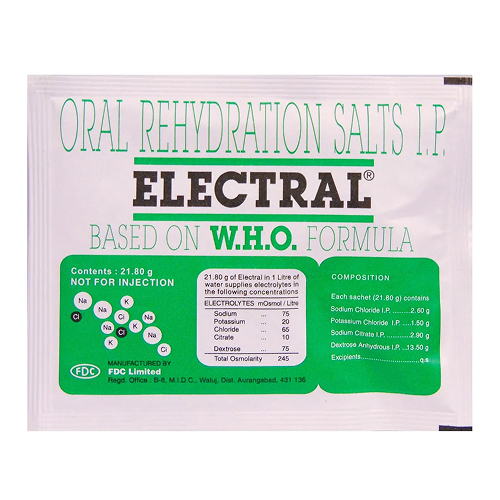
Electral 21.8gm
Dextrose-13.5gm + Potassium Chloride-1.5gm + Sodium Chloride-2.6gm + Sodium Citrate-2.9gm
MRP
₹23.2
PKG
21.8 GM
Stock
6735
₹23.2
₹17.45
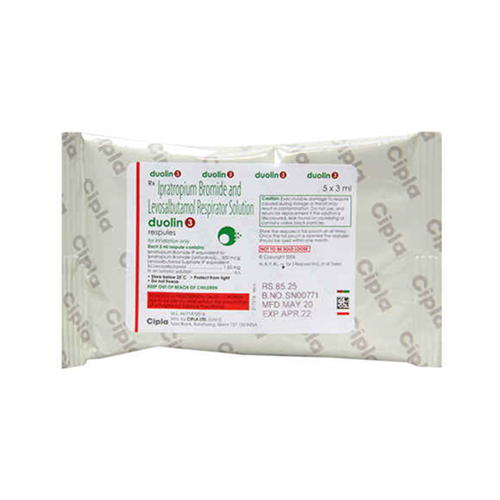
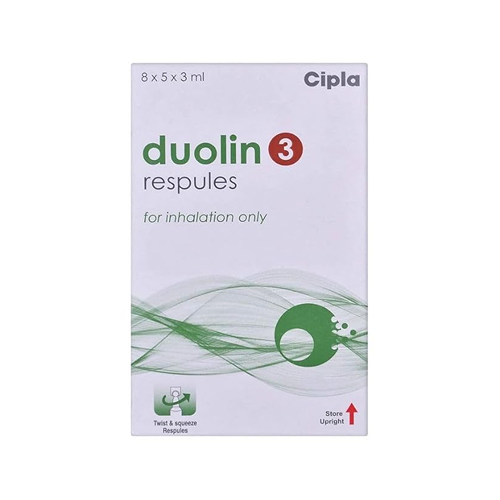
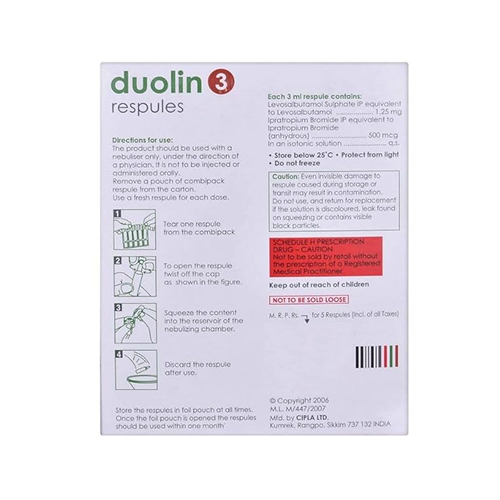
Duolin 3 Respules 3ml
Levosalbutamol (1.25mg) + Ipratropium (500mcg)
MRP
₹28.28
PKG
1 RESPULES
Stock
3478
₹28.28
₹21.27
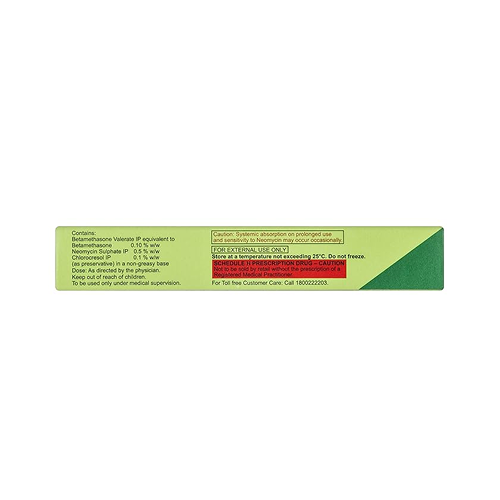
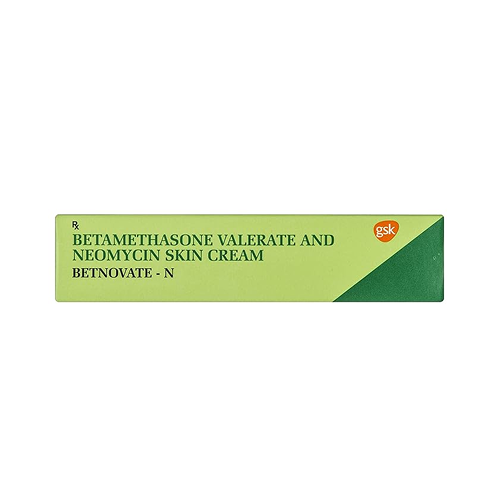
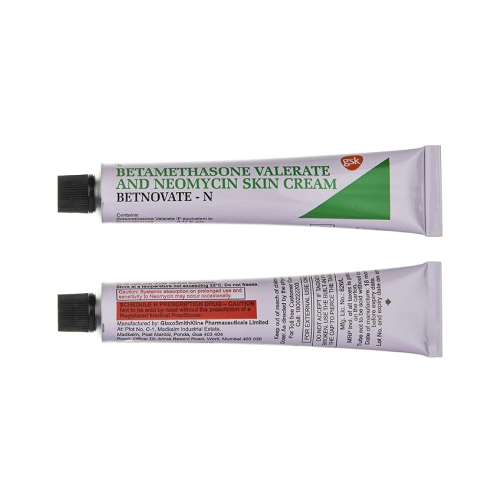
Betnovate N Oint-25 Gm
Betamethasone (0.1% W/w) + Neomycin (0.5% W/w)
MRP
₹68.9
PKG
25 GM
Stock
1916
₹68.9
₹51.82
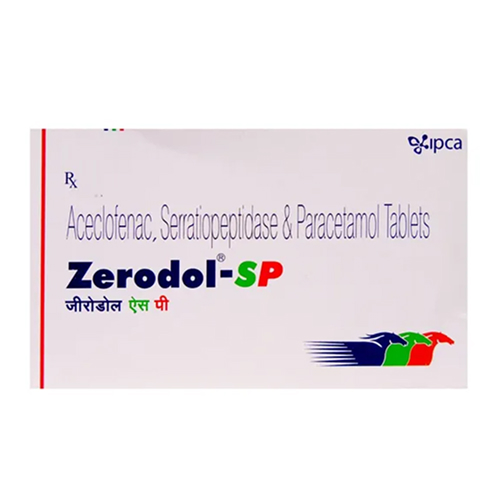
Zerodol Sp Tablet
Aceclofenac (100mg) + Paracetamol (325mg) + Serratiopeptidase (15mg)
MRP
₹139.69
PKG
10 TABLET
Stock
1771
₹139.69
₹105.04
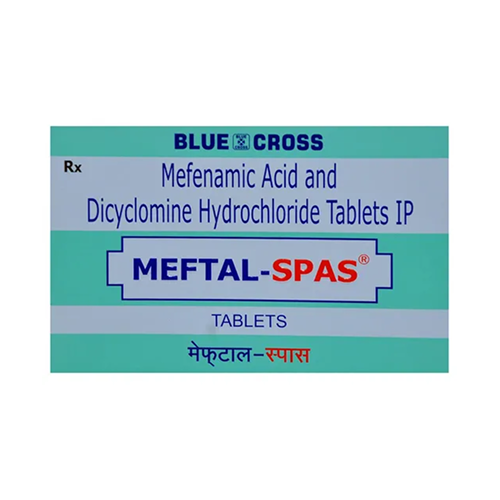
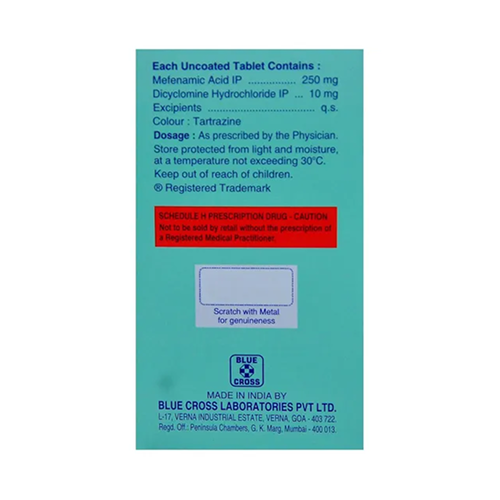
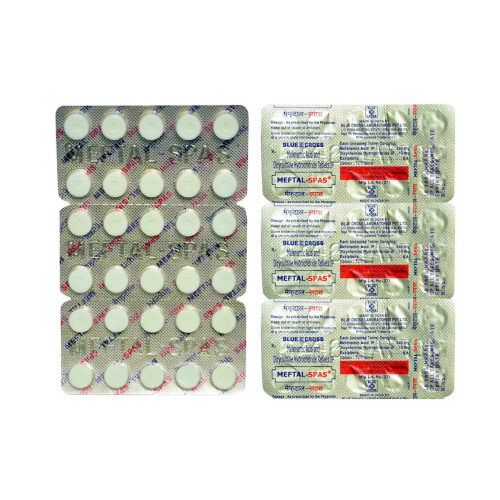
Meftal Spas Tablet
Dicyclomine (10mg) + Simethicone (40mg)
MRP
₹51.56
PKG
10 TABLET
Stock
637
₹51.56
₹38.77
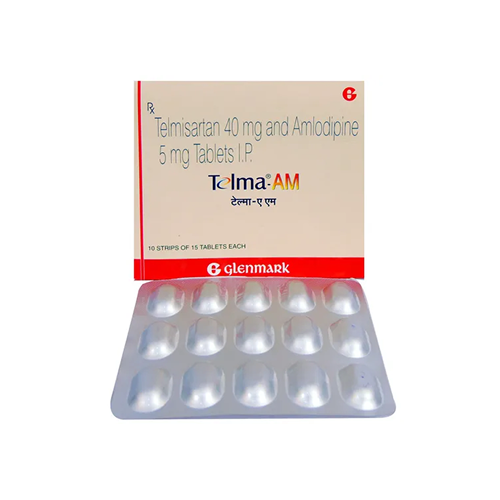
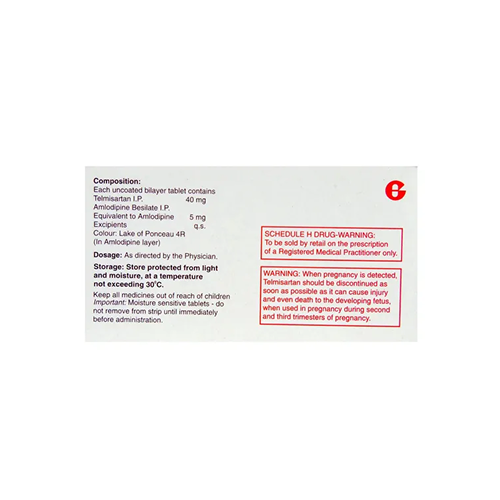
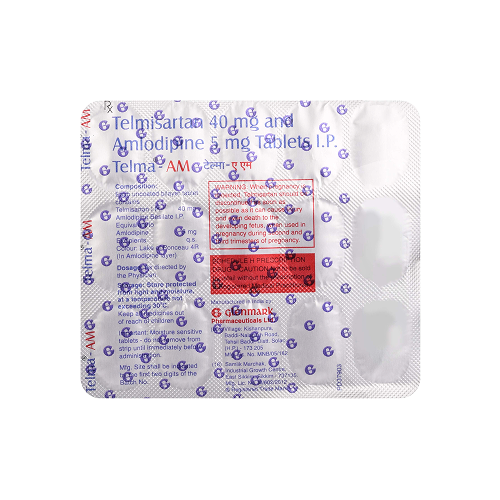
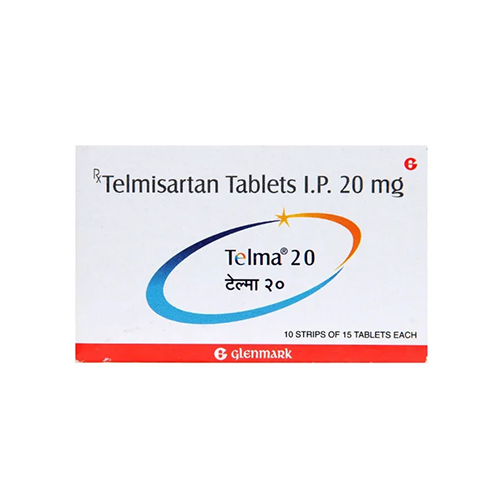
Telma-am Tablet
Telmisartan (40mg) + Amlodipine (5mg)
MRP
₹341.72
PKG
15 TABLET
Stock
632
₹341.72
₹256.98
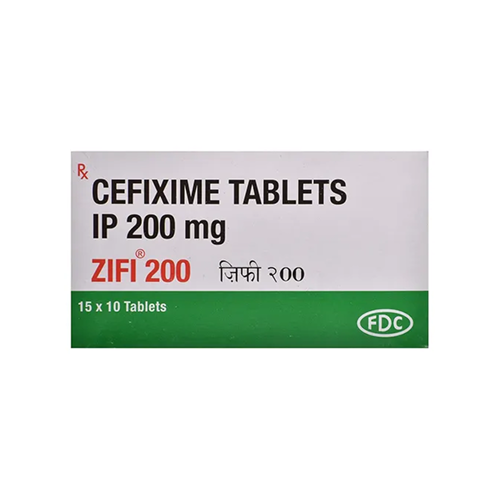
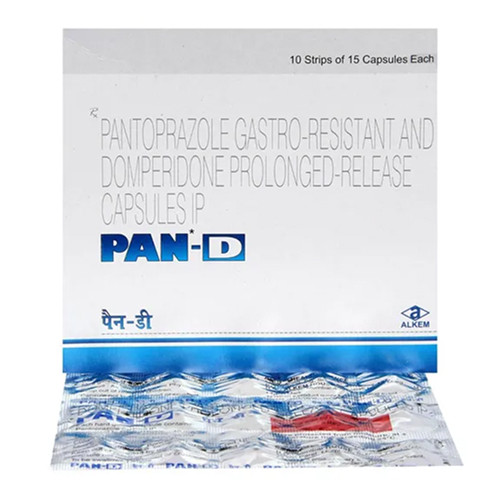
Pan D Capsule
Domperidone (30mg) + Pantoprazole (40mg)
MRP
₹261.9
PKG
15 CAPSULE
Stock
504
₹261.9
₹196.95
Vylda-m 500mg Tablet
Metformin undefined (500mg) + undefined Vildagliptin (50mg)
MRP
₹179.9
PKG
10 TABLETS
Stock
412
₹179.9
₹135.28
Imol Plus Tab
Ibuprofen (400mg) + Paracetamol (325mg) + Caffeine (25mg)
MRP
₹24.44
PKG
10 TABLET
Stock
365
₹24.44
₹18.38
Frequently Asked Questions
What is Ketorol-DT Tablet used for?
Ketorol-DT Tablet contains ketorolac tromethamine, a nonsteroidal anti-inflammatory drug (NSAID). It is used for the short-term management of moderate to severe pain, such as pain after surgery, dental pain, or musculoskeletal pain.
How does Ketorol-DT work?
Ketorol-DT works by blocking the production of certain chemicals in the body (prostaglandins) that cause pain and inflammation, thereby providing relief from pain and swelling.
What is the usual dosage of Ketorol-DT?
The typical adult dose is 10 mg every 4 to 6 hours as needed, but not exceeding 40 mg per day. It is meant for short-term use (usually not more than 5 days). Dosage may vary based on individual health conditions and should be prescribed by a doctor.
What are the possible side effects of Ketorol-DT?
Common side effects include nausea, stomach pain, indigestion, headache, dizziness, and drowsiness. Serious side effects can include stomach ulcers, bleeding, kidney problems, and allergic reactions.
Is Ketorol-DT safe during pregnancy or breastfeeding?
Ketorol-DT is generally not recommended during pregnancy, especially in the third trimester, and while breastfeeding, as it may cause harm to the baby. Always consult your doctor before use.
Can Ketorol-DT be taken with other medications?
Ketorol-DT may interact with other medications such as other NSAIDs, blood thinners (like warfarin), certain blood pressure medicines, and diuretics. Inform your doctor about all medicines you are taking to avoid harmful interactions.
What precautions should be taken while using Ketorol-DT?
Avoid alcohol while taking Ketorol-DT as it increases the risk of stomach bleeding. Do not use it if you have a history of peptic ulcers, gastrointestinal bleeding, kidney disease, or asthma sensitive to NSAIDs. Use the medicine exactly as prescribed.
What should I do if I miss a dose?
If you miss a dose, take it as soon as you remember. If it’s almost time for the next dose, skip the missed dose and continue with your regular schedule. Do not double the dose to catch up.
How should Ketorol-DT be stored?
Store Ketorol-DT Tablets in a cool, dry place away from direct sunlight and moisture. Keep out of reach of children. Do not use after the expiry date printed on the packaging.