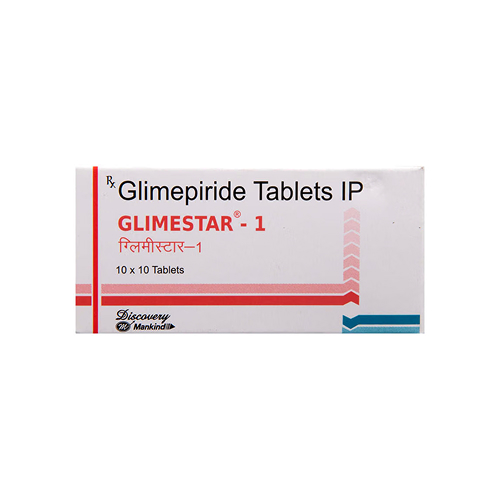
Glimestar 1 Tablet
Glimepiride (1mg)
Source ID: 240457
₹31.94
₹24.02
(Inclusive of all taxes)Batch
-
PKG
10 TABLET
Expiry
-
MRP
₹31.94
Stock
179
Discount
24.8%
Description
GLIMESTAR 1 TABLET
Name
Brand Name: Glimestar 1 Tablet Common Name: Glimepiride
Composition
Glimestar 1 Tablet contains Glimepiride 1 mg as its active ingredient. It is manufactured by Mankind Pharma Ltd.
Uses
Glimestar 1 Tablet is primarily used in adults for the treatment of Type 2 Diabetes Mellitus (non-insulin-dependent diabetes mellitus). It works by helping the pancreas release more insulin, thereby lowering high blood sugar levels. This medication is prescribed as an adjunct to diet and exercise to improve glycemic control and prevent serious diabetes-related complications such as kidney damage, eye problems, nerve issues, and cardiovascular risks. It can be used alone or in combination with other anti-diabetic medicines.
Dosage and Administration
The recommended starting dose is typically 1 mg or 2 mg once daily, taken shortly before or with the first main meal of the day (usually breakfast). For patients at a higher risk of low blood sugar, such as the elderly or those with renal impairment, a starting dose of 1 mg once daily is advised. The usual maintenance dose ranges from 1-4 mg once daily, with a maximum recommended dose of 8 mg once daily. Tablets should be swallowed whole with water and not crushed, broken, or chewed. Do not stop taking this medicine without consulting your doctor.
Side Effects
Common side effects include:
- Low blood sugar levels (hypoglycemia)
- Headache
- Nausea
- Dizziness
- Weight gain
- Allergic skin reactions, including sensitivity to sun rays (photosensitivity)
Symptoms of low blood sugar include sweating, dizziness, headache, and shaking. It is important to carry a fast-acting source of glucose to manage such episodes.
Precautions
Glimestar 1 Tablet is not recommended for individuals with Type 1 Diabetes Mellitus, severe kidney or liver disease, or those with a known allergy to glimepiride or other sulfonylureas/sulfonamides. It should be avoided during pregnancy and breastfeeding due to potential harm to the baby. Alcohol consumption should be limited or avoided as it can increase the risk of low blood sugar. Caution is advised when driving or operating machinery, as the medicine may cause dizziness. Regular blood sugar monitoring is crucial during treatment. Inform your doctor about any other medications you are taking, as drug interactions can occur, potentially affecting blood sugar levels.
Storage
Store Glimestar 1 Tablet in a cool and dry place, away from direct sunlight. Keep it out of sight and reach of children. The medicine should be stored below 30°C.
₹31.94
₹24.02
(Inclusive of all taxes)Shop by Frequently Purchased Items
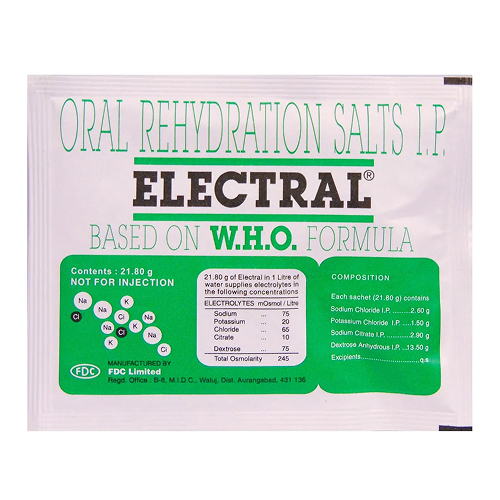
Electral 21.8gm
Dextrose-13.5gm + Potassium Chloride-1.5gm + Sodium Chloride-2.6gm + Sodium Citrate-2.9gm
MRP
₹23.2
PKG
21.8 GM
Stock
8017
₹23.2
₹17.45
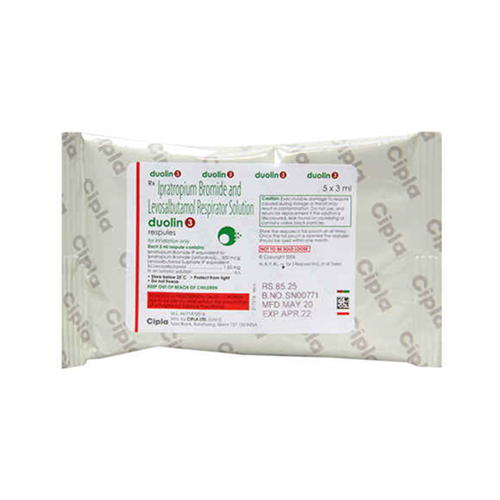
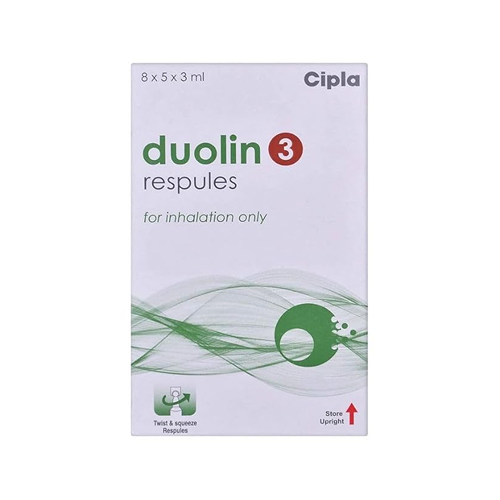
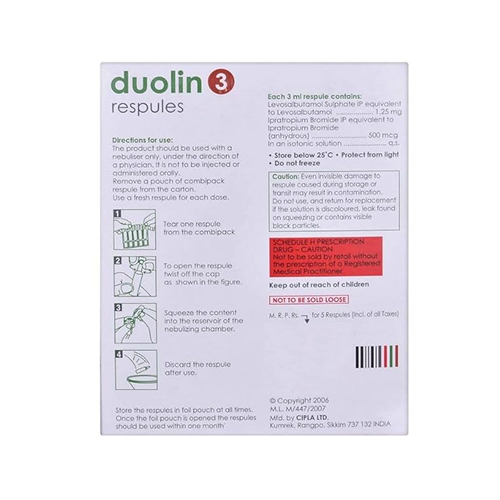
Duolin 3 Respules 3ml
Levosalbutamol (1.25mg) + Ipratropium (500mcg)
MRP
₹28.28
PKG
1 RESPULES
Stock
4332
₹28.28
₹21.27
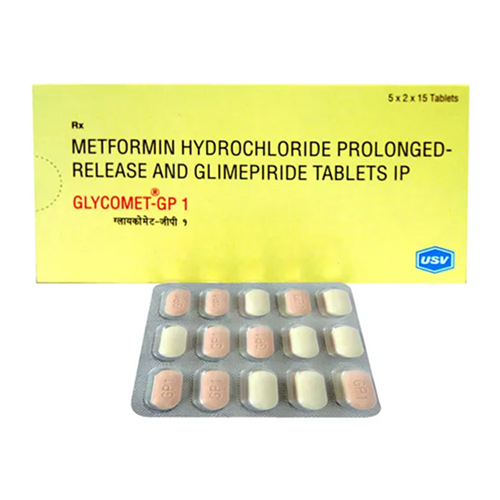
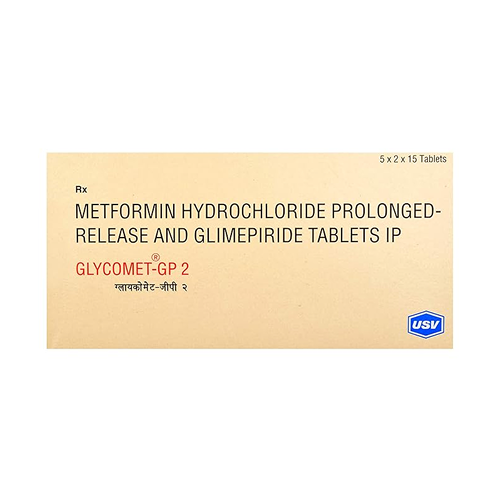
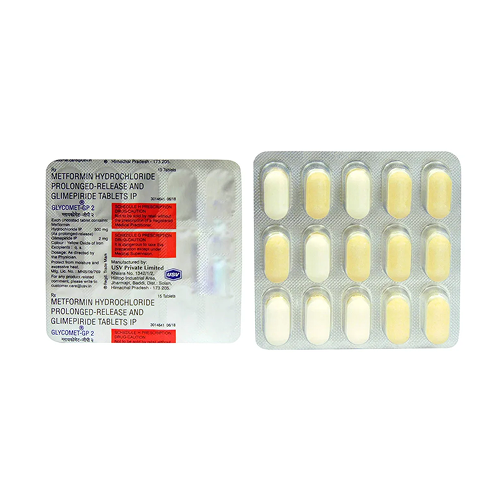
Glycomet-gp 1 Tablet
Glimepiride (1mg) + Metformin (500mg)
MRP
₹123.28
PKG
15 TABLET
Stock
2632
₹123.28
₹92.71
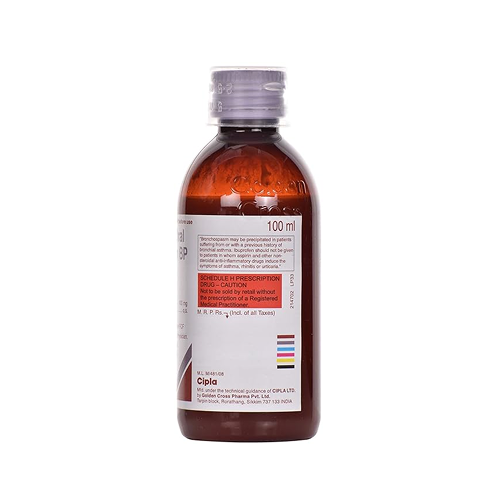
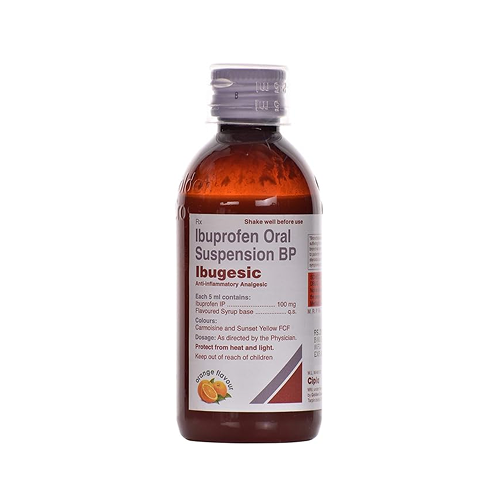
Ibugesic Plus Suspension (orange Flr)- 100 Ml
Ibuprofen-100mg + Paracetamol-162.5mg
MRP
₹62.27
PKG
100 ML
Stock
1329
₹62.27
₹46.82
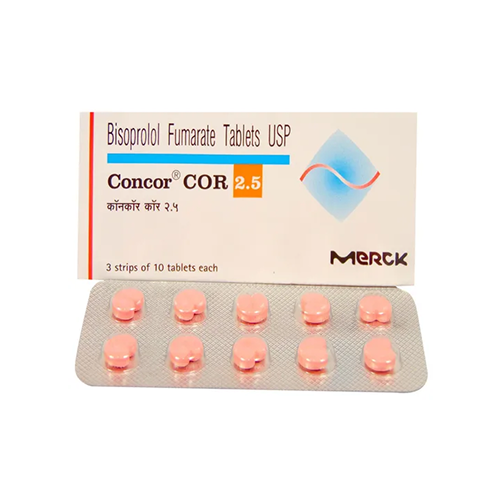
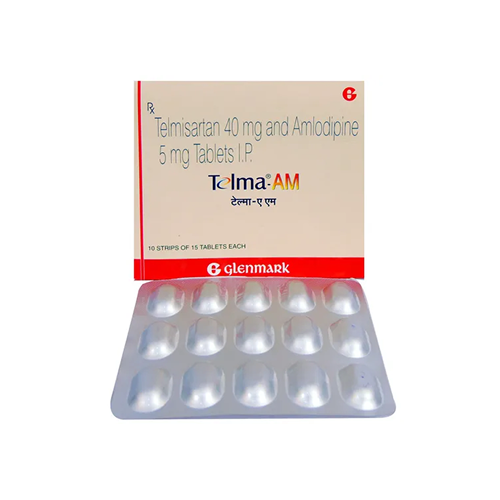
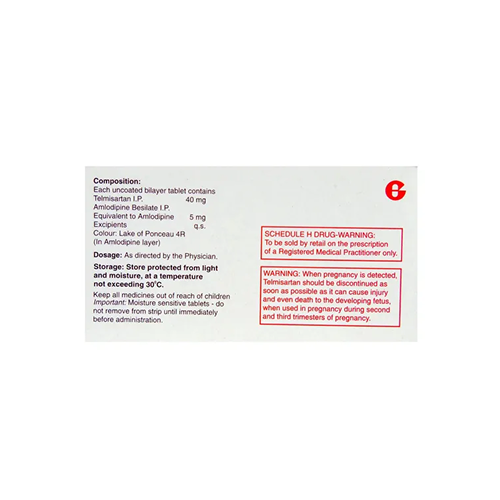
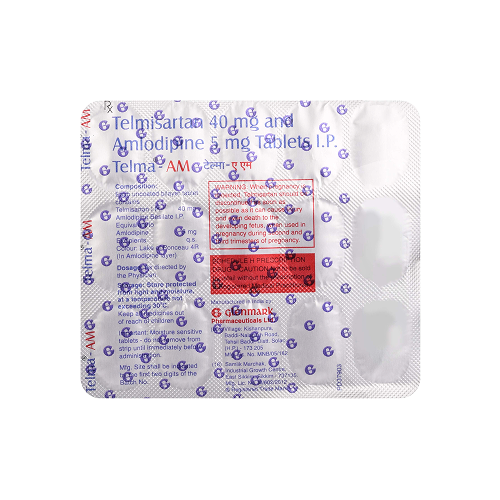
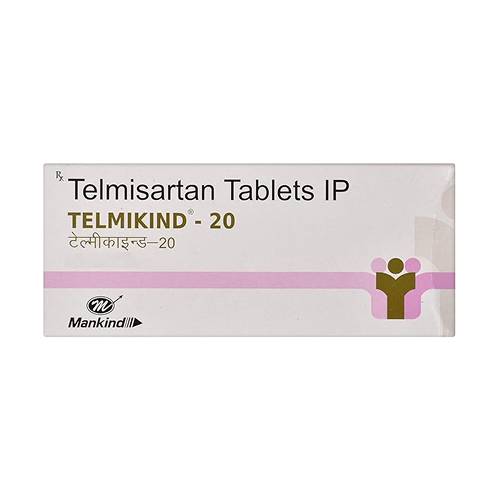
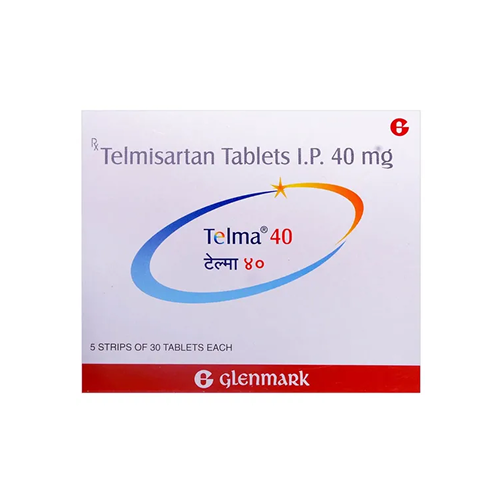
Telma-am Tablet
Telmisartan (40mg) + Amlodipine (5mg)
MRP
₹341.72
PKG
15 TABLET
Stock
831
₹341.72
₹256.98

Pan D Capsule
Domperidone (30mg) + Pantoprazole (40mg)
MRP
₹261.9
PKG
15 CAPSULE
Stock
749
₹261.9
₹196.95
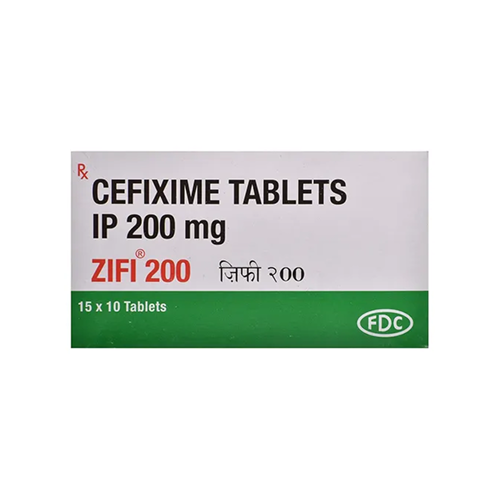
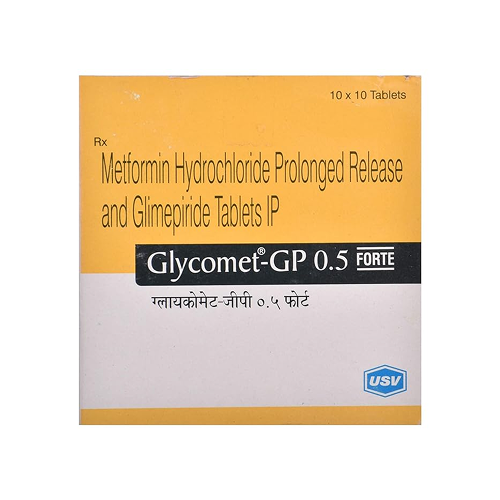
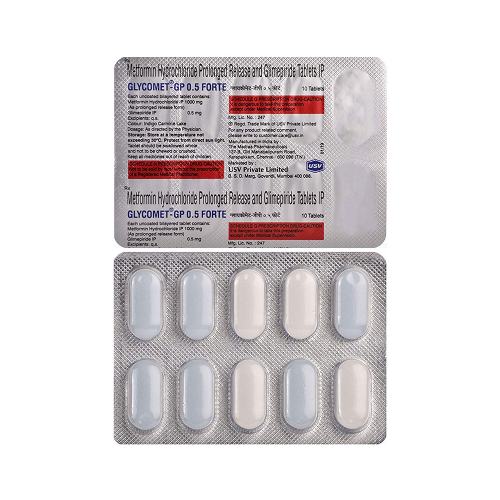
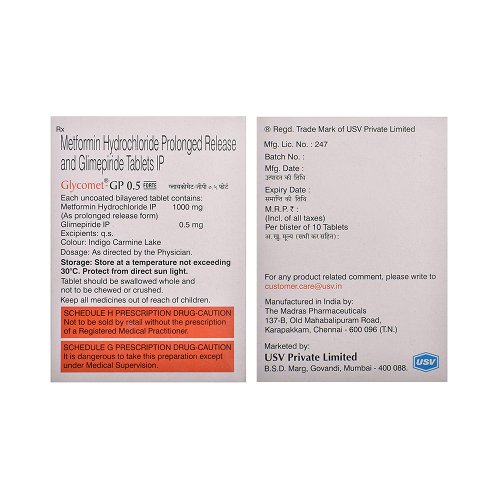
Glycomet-gp 0.5 Tablet
Glimepiride (0.5mg) + Metformin (500mg)
MRP
₹88.88
PKG
10 TABLET
Stock
629
₹88.88
₹66.84
Vylda-m 500mg Tablet
Metformin undefined (500mg) + undefined Vildagliptin (50mg)
MRP
₹179.9
PKG
10 TABLETS
Stock
456
₹179.9
₹135.28
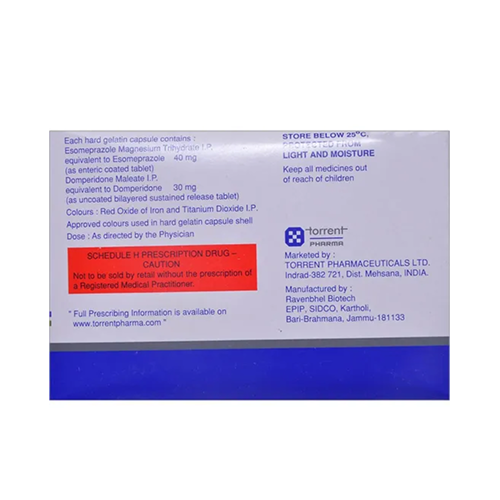
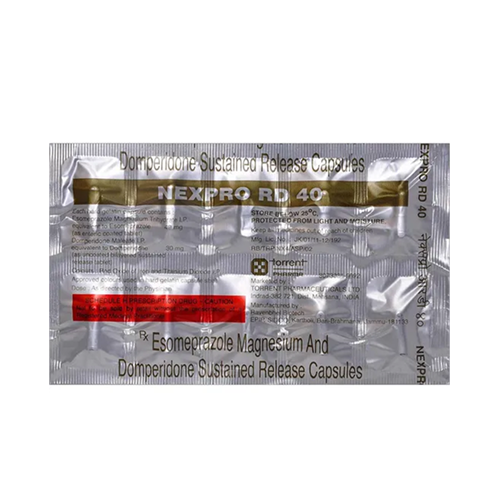
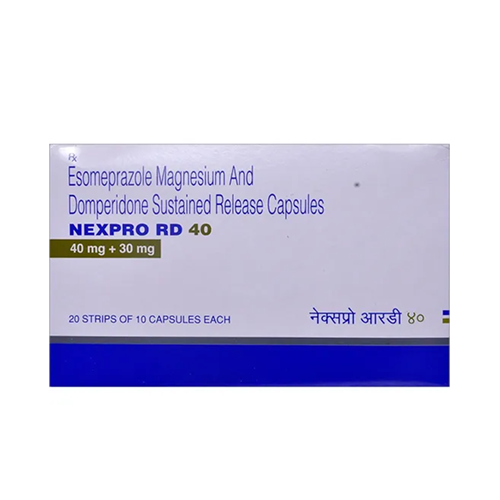
Nexpro Rd 40mg 10cap
Domperidone (30mg) + Esomeprazole (40mg)
MRP
₹191.95
PKG
10 CAPSULE
Stock
398
₹191.95
₹144.35
Gluconorm G 1 Tablet
Glimepiride (1mg) + Metformin (500mg)
MRP
₹255.5
PKG
15 TABLET
Stock
329
₹255.5
₹192.14
Frequently Asked Questions
What is Glimestar 1 Tablet used for?
Glimestar 1 Tablet is an oral anti-diabetic medication used to manage Type 2 Diabetes Mellitus in adults. It helps control high blood sugar levels, especially when diet and exercise alone are insufficient. It can be used alone or in conjunction with other medicines for diabetes.
How does Glimestar 1 Tablet work?
Glimestar 1 Tablet contains Glimepiride, which belongs to a class of medicines called sulfonylureas. It works by stimulating the beta cells in the pancreas to produce and release more insulin. Insulin is a hormone that helps your body's cells take up and utilize sugar from the blood, thereby lowering blood glucose levels. Glimepiride also increases the sensitivity of body tissues to insulin, making it more effective.
What is the usual dosage for Glimestar 1 Tablet?
The recommended starting dose for Glimestar 1 Tablet is typically 1 mg or 2 mg once daily, taken with breakfast or the first main meal of the day. The usual maintenance dose ranges from 1–4 mg once daily, and the maximum recommended dose is 8 mg once daily. Your doctor will determine the best dose for you based on your blood glucose levels and individual needs, and dosages may be adjusted at 1- to 2-week intervals.
What are the possible side effects of Glimestar 1 Tablet?
The most common side effect is hypoglycemia (low blood sugar levels), which can manifest as sweating, dizziness, headache, and shaking. Other common side effects include nausea, headache, dizziness, and mild weight gain. Less common side effects can include vomiting, abdominal pain, and dermatitis. Serious but rare side effects like severe allergic reactions (skin rash, swelling, difficulty breathing) and liver problems (jaundice, hepatitis) have also been reported.
Is Glimestar 1 Tablet safe during pregnancy or breastfeeding?
Glimestar 1 Tablet is generally not recommended for use during pregnancy as it may be unsafe and could harm the unborn baby. It is also probably unsafe to use while breastfeeding, as the active ingredient (glimepiride) may pass into breast milk and potentially cause low blood sugar in the infant. It is crucial to consult your doctor if you are pregnant, planning a pregnancy, or breastfeeding, as your doctor may switch you to insulin therapy.
Can Glimestar 1 Tablet be taken with other medications?
Glimestar 1 Tablet can interact with various medications. Taking it with other anti-diabetic agents (like insulin or metformin) or ACE inhibitors (e.g., enalapril, lisinopril) can increase the risk of low blood sugar. Conversely, corticosteroids (e.g., prednisone), thiazide diuretics, and thyroid hormones (e.g., levothyroxine) may reduce its sugar-lowering effectiveness. Certain antibiotics (e.g., fluconazole, clarithromycin), antifungals (e.g., miconazole), and anticoagulants (e.g., warfarin) can also interact with Glimestar 1 Tablet, potentially altering its effects or increasing the risk of side effects. Always inform your doctor about all medicines, supplements, and herbal products you are taking.
What precautions should be taken while using Glimestar 1 Tablet?
It is important to avoid alcohol consumption while taking Glimestar 1 Tablet, as it can significantly increase the risk of low blood sugar levels. You should regularly monitor your blood sugar levels as advised by your doctor and always carry a fast-acting source of glucose (like sugary food or fruit juice) to manage potential hypoglycemia. Exercise regularly and maintain a healthy diet. Be cautious while driving or operating machinery until you understand how the medicine affects you, as it can cause dizziness due to changes in blood sugar. Glimestar 1 Tablet is not suitable for Type 1 diabetes, diabetic ketoacidosis, or individuals with severe kidney or liver disease. Inform your doctor if you have heart disease, thyroid conditions, or G6PD deficiency.
What happens if a dose of Glimestar 1 Tablet is missed?
If you miss a dose of Glimestar 1 Tablet, take it as soon as you remember. However, if it is almost time for your next scheduled dose, skip the missed one and continue with your regular dosing schedule. Do not take a double dose to compensate for a missed one without consulting your doctor, as this can lead to dangerously low blood sugar levels.
How should Glimestar 1 Tablet be stored?
Glimestar 1 Tablet should be stored at room temperature, typically below 30°C. Keep it in its original packaging, away from heat, moisture, and direct sunlight. It is essential to keep this medicine out of the sight and reach of children.