
Cefrine 300 Mg (10 Cap)
Not Available
Source ID: 254166
₹344.06
₹258.73
(Inclusive of all taxes)Batch
18252847A
PKG
10 CAPSULE
Expiry
2026-12-31
MRP
₹344.06
Stock
2
Discount
24.8%
Description
CEFRINE 300 MG (10 CAP) by MACLEODS PHARMACEUTICALS LTD.
Name
Brand Name: Cefrine 300 mg Capsule Common Name: Cefdinir
Composition
Active Ingredient: Cefdinir 300 mg
Uses
Cefrine 300 mg Capsule is an antibiotic primarily prescribed for the treatment of a wide range of bacterial infections. It is effective against various infections, including:
- Respiratory tract infections (e.g., pneumonia, bronchitis, acute exacerbations of chronic bronchitis)
- Urinary tract infections
- Ear infections (e.g., acute bacterial otitis media)
- Nasal sinus infections (e.g., acute maxillary sinusitis)
- Throat infections (e.g., tonsillitis, pharyngitis)
- Skin and soft tissue infections
- Bone and joint infections
- Certain sexually transmitted diseases
Cefrine 300 mg Capsule works by interfering with the formation of the bacterial cell wall, which is essential for bacterial survival, thereby killing the bacteria. It does not work against infections caused by viruses, such as the common cold or flu.
Dosage and Administration
- Cefrine 300 mg Capsule should be taken orally, with or without food, as advised by your doctor.
- It is typically recommended to take the medicine 1 to 2 times daily.
- Swallow the capsule whole with a glass of water; do not crush, chew, or break it.
- It is crucial to complete the full course of treatment as prescribed by your doctor, even if symptoms improve, to ensure complete eradication of the infection and prevent recurrence.
- Maintain a minimum time gap of 2 hours between taking Cefrine 300 mg Capsule and antacids containing aluminum or magnesium, iron supplements, or multivitamins containing iron, as these can reduce the absorption of Cefdinir.
- This medicine is not recommended for babies below six months of age.
Side Effects
Common Side Effects:
- Diarrhea
- Nausea
- Stomach pain
- Vomiting
- Rash
- Headache
- Vaginal itching or discharge/Vaginal moniliasis (yeast infection)
Most of these side effects are usually mild and resolve over time. However, if they persist or worsen, consult your doctor.
Serious Side Effects (Seek immediate medical attention if you experience):
- Severe allergic reactions (e.g., rash, itchy skin, swelling of the face and mouth, difficulty breathing)
- Severe intestinal conditions due to Clostridium difficile, which may manifest as persistent diarrhea, abdominal pain/cramping, or blood/mucus in your stool.
- Dizziness
Precautions
- Allergies: Inform your doctor if you are allergic to Cefrine 300 mg Capsule, Cefdinir, other cephalosporin antibiotics, or penicillins.
- Kidney Disease: Use with caution in patients with kidney problems, and dosage adjustments may be necessary.
- Intestinal Disease: Inform your doctor if you have a history of intestinal disease, such as colitis.
- Pregnancy and Breastfeeding: Consult your doctor before taking this medicine if you are pregnant, planning a pregnancy, or breastfeeding. It is generally considered safe if prescribed, but individual assessment is important.
- Alcohol: Avoid consuming alcohol while taking Cefrine 300 mg Capsule, as it may cause increased drowsiness and other unpleasant side effects like nausea, vomiting, sweating, anxiety, and palpitations.
- Driving: Cefrine 300 mg Capsule may cause dizziness; therefore, avoid driving or operating heavy machinery if you experience this side effect.
- Drug Interactions: Inform your doctor about all other medications you are taking, including over-the-counter drugs, herbal products, and supplements, as they may interact with Cefrine 300 mg Capsule.
- Certain medications, such as antacids containing aluminum or magnesium, iron supplements, and multivitamins containing iron, can reduce the absorption of Cefdinir; maintain a 2-hour gap between doses.
- This medication may interfere with certain lab tests, such as diabetic urine tests, possibly causing false results.
- It may also cause live bacterial vaccines (e.g., typhoid vaccine) to be less effective.
Storage
Store Cefrine 300 mg Capsule below 25°C or at room temperature (between 20-25°C), away from light and moisture. Keep it out of reach and sight of children and pets.
₹344.06
₹258.73
(Inclusive of all taxes)Shop by Frequently Purchased Items

Electral 21.8gm
Dextrose-13.5gm + Potassium Chloride-1.5gm + Sodium Chloride-2.6gm + Sodium Citrate-2.9gm
MRP
₹23.2
PKG
21.8 GM
Stock
8017
₹23.2
₹17.45
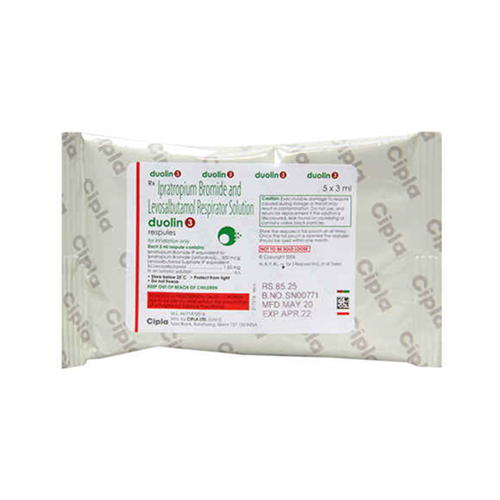
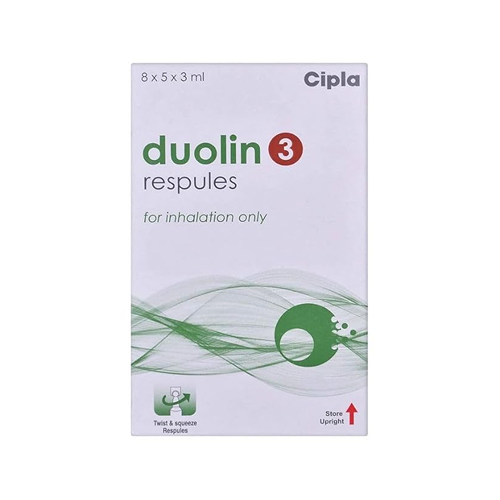
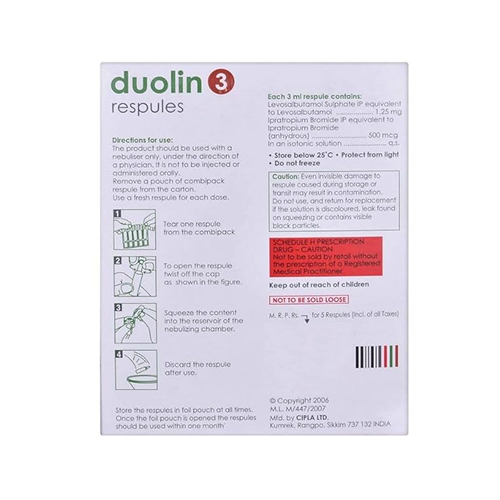
Duolin 3 Respules 3ml
Levosalbutamol (1.25mg) + Ipratropium (500mcg)
MRP
₹28.28
PKG
1 RESPULES
Stock
4332
₹28.28
₹21.27

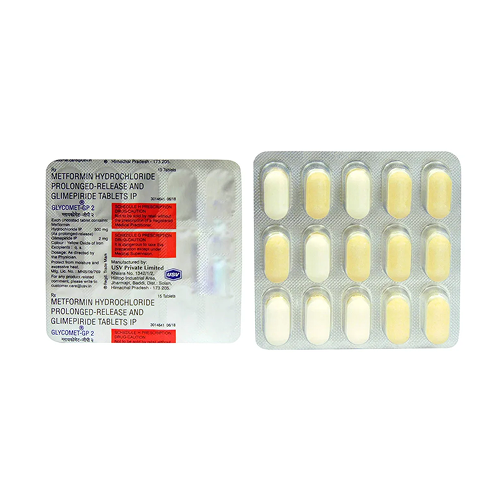
Glycomet-gp 1 Tablet
Glimepiride (1mg) + Metformin (500mg)
MRP
₹123.28
PKG
15 TABLET
Stock
2632
₹123.28
₹92.71


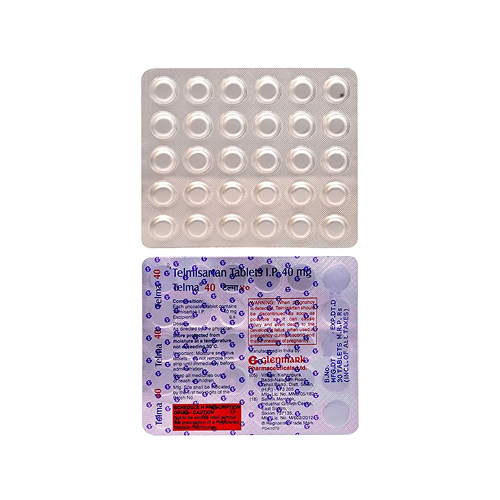
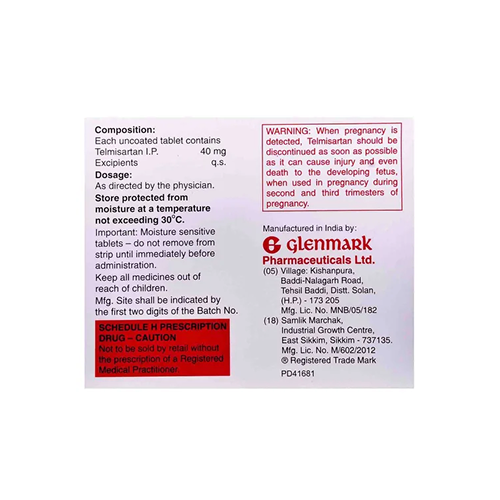
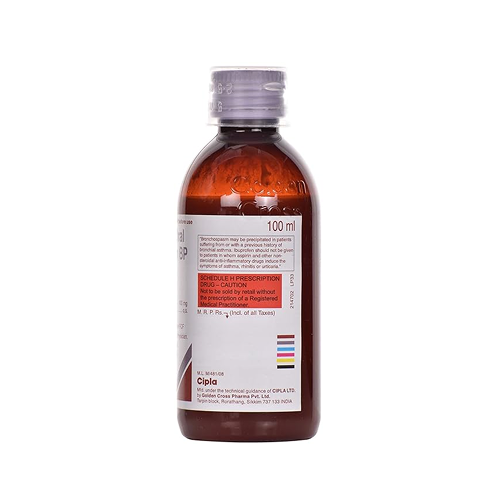

Ibugesic Plus Suspension (orange Flr)- 100 Ml
Ibuprofen-100mg + Paracetamol-162.5mg
MRP
₹62.27
PKG
100 ML
Stock
1329
₹62.27
₹46.82
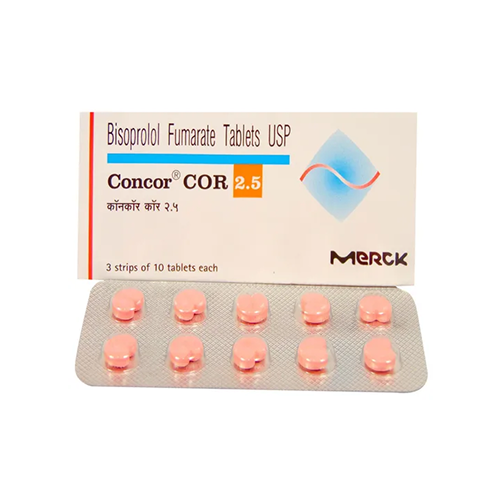

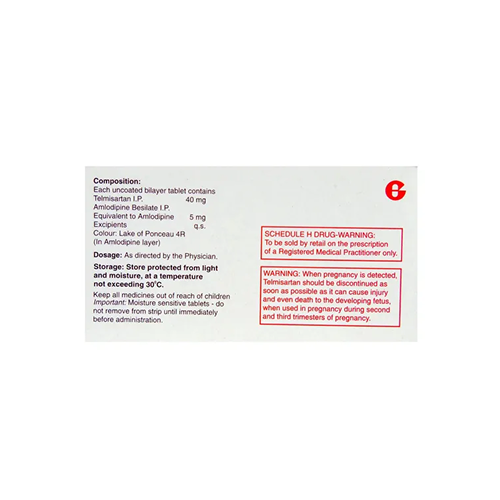
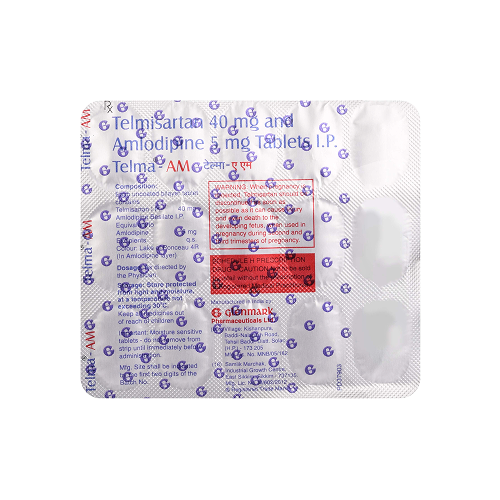
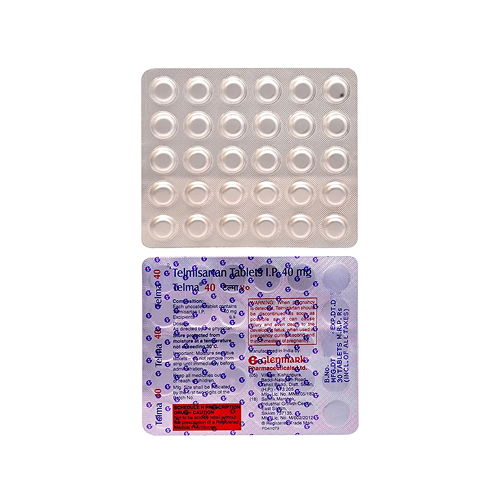
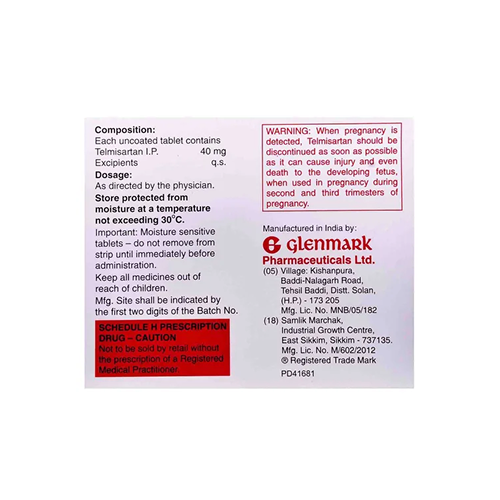
Telma-am Tablet
Telmisartan (40mg) + Amlodipine (5mg)
MRP
₹341.72
PKG
15 TABLET
Stock
831
₹341.72
₹256.98

Pan D Capsule
Domperidone (30mg) + Pantoprazole (40mg)
MRP
₹261.9
PKG
15 CAPSULE
Stock
749
₹261.9
₹196.95



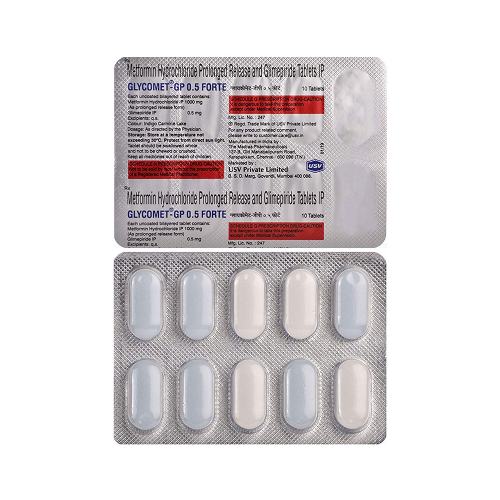
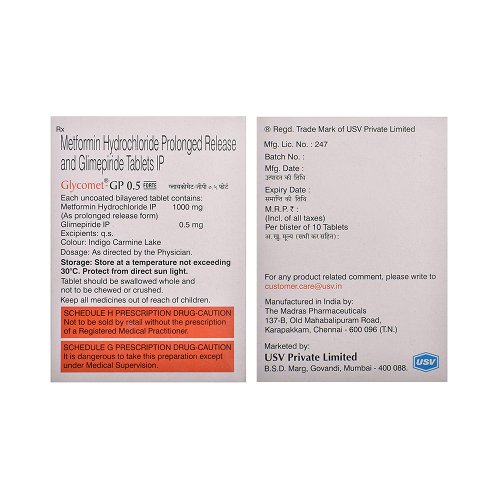
Glycomet-gp 0.5 Tablet
Glimepiride (0.5mg) + Metformin (500mg)
MRP
₹88.88
PKG
10 TABLET
Stock
629
₹88.88
₹66.84




Vylda-m 500mg Tablet
Metformin undefined (500mg) + undefined Vildagliptin (50mg)
MRP
₹179.9
PKG
10 TABLETS
Stock
456
₹179.9
₹135.28

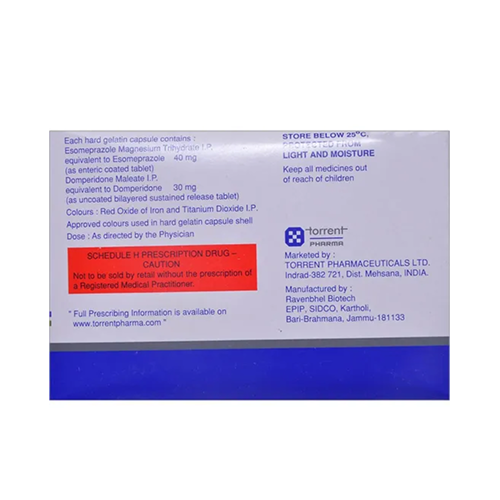
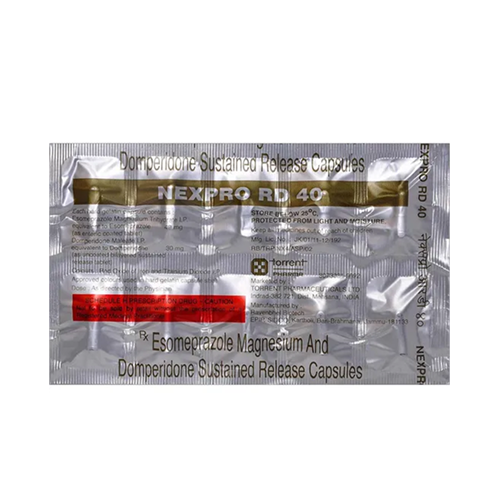
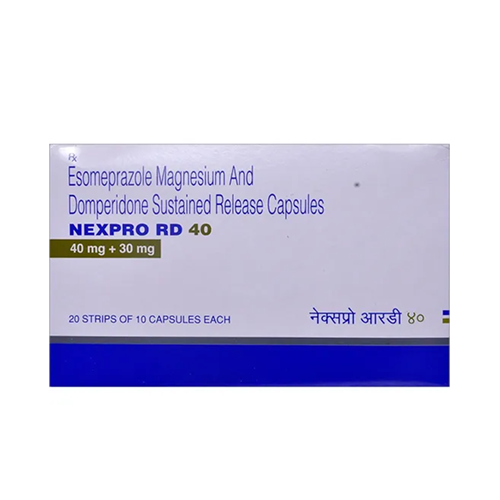
Nexpro Rd 40mg 10cap
Domperidone (30mg) + Esomeprazole (40mg)
MRP
₹191.95
PKG
10 CAPSULE
Stock
398
₹191.95
₹144.35
Gluconorm G 1 Tablet
Glimepiride (1mg) + Metformin (500mg)
MRP
₹255.5
PKG
15 TABLET
Stock
329
₹255.5
₹192.14

Frequently Asked Questions
What is Cefrine 300 mg used for?
Cefrine 300 mg Capsules are an antibiotic primarily used to treat various bacterial infections. These include infections of the respiratory tract (like pneumonia and bronchitis), urinary tract, ears, nasal sinuses, throat (tonsillitis, pharyngitis), bones and joints, heart, lungs, brain, chest, skin, or soft tissues. It is important to note that Cefrine 300 mg is effective only against bacterial infections and will not work for viral infections such as the common cold or flu.
How does Cefrine 300 mg work?
Cefrine 300 mg Capsules contain Cefdinir, which is a cephalosporin antibiotic. It works by interfering with the formation of the bacterial cell wall, a crucial protective layer that bacteria need to survive. By damaging this cell wall, Cefrine 300 mg effectively kills the bacteria and helps to eliminate the infection.
What is the usual dosage for Cefrine 300 mg?
The usual dosage for Cefrine 300 mg is typically 1 to 2 times daily, but this should always be as advised by your doctor. It's crucial to take the medicine regularly at evenly spaced intervals and to complete the entire prescribed course, even if your symptoms improve before you finish the medication. Stopping treatment early can lead to the infection returning and potentially becoming harder to treat. The exact dose and duration depend on the specific infection, your health status, and your body weight.
What are the possible side effects of Cefrine 300 mg?
Common side effects of Cefrine 300 mg can include diarrhea, nausea, stomach pain, vomiting, rash, and headache. Other less common side effects reported for similar antibiotics (cefixime) include gas, heartburn, vaginitis, itching, and dizziness.
More serious side effects, though less common, require immediate medical attention. These can include severe watery or bloody diarrhea, stomach cramps, fever (which can occur even months after stopping treatment), severe allergic reactions (like rash, itching, hives, difficulty breathing or swallowing, wheezing, or swelling of the face, throat, tongue, lips, and eyes), or a return of fever, sore throat, or other signs of infection. In rare cases, severe skin reactions like Stevens-Johnson Syndrome, as well as liver and kidney damage, have been reported with cephalosporin antibiotics.
Is Cefrine 300 mg safe during pregnancy or breastfeeding?
If you are pregnant, planning to become pregnant, or breastfeeding, you should inform your doctor before taking Cefrine 300 mg. While animal studies have shown low or no adverse effects, limited human studies mean it should be used with caution during pregnancy and only if considered essential by your physician. For breastfeeding, it is unknown whether Cefdinir passes into human milk, so a doctor's consultation is advised to weigh the potential benefits against the risks to the infant.
Can Cefrine 300 mg be taken with other medications?
It is essential to inform your doctor about all prescription and non-prescription medications, vitamins, nutritional supplements, and herbal products you are currently taking. Certain medications can interact with Cefrine 300 mg. For example, antacids containing aluminum or magnesium, as well as iron supplements and multivitamins containing iron, can reduce the body's absorption of Cefrine 300 mg. A minimum time gap of 2 hours should be maintained between taking Cefrine 300 mg and these products.
Cefixime, a similar cephalosporin antibiotic, has been noted to potentially decrease the effectiveness of hormonal contraceptives, and may increase the effects of blood thinners like warfarin. Live bacterial vaccines, such as the typhoid vaccine, might also be less effective if administered while taking this antibiotic. Your doctor may need to adjust doses or monitor you closely for side effects.
What precautions should be taken while using Cefrine 300 mg?
Before taking Cefrine 300 mg, tell your doctor if you have any allergies to Cefdinir, other cephalosporin antibiotics, or penicillin. Also, inform your doctor if you have kidney problems or a history of inflammation of the large intestine (colitis).
Since Cefrine 300 mg may cause dizziness, it is advisable to drive only if you are feeling alert. It is crucial to complete the full course of treatment as prescribed, even if symptoms improve, to prevent the infection from returning and to reduce the risk of antibiotic resistance.
What happens if a dose of Cefrine 300 mg is missed?
If you miss a dose of Cefrine 300 mg, take it as soon as you remember. However, if it is almost time for your next scheduled dose, skip the missed dose and continue with your regular dosing schedule. Do not take a double dose to make up for a missed one.
How should Cefrine 300 mg be stored?
Cefrine 300 mg capsules should be stored in a closed container at room temperature, ideally between 20-25°C (68-77°F). Keep the medicine away from excessive heat, moisture, and direct light, and out of the reach of children. Do not keep outdated medicine or medicine no longer needed.