Betaloc 100 Mg Tablet (10 Tab)
Metoprolol Tartrate (100mg)
Source ID: 243913
Description
BETALOC 100 MG TABLET
Name
- Brand Name: BETALOC 100 MG TABLET
- Common Name: Metoprolol (as Metoprolol Tartrate)
Composition Each tablet contains Metoprolol Tartrate 100 mg as the active ingredient. Inactive ingredients include lactose monohydrate, microcrystalline cellulose, colloidal anhydrous silica, sodium starch glycollate, povidone, and magnesium stearate.
Uses BETALOC 100 MG TABLET is a beta-blocker used to treat various cardiovascular conditions. It is prescribed for:
- High blood pressure (hypertension)
- Heart-related chest pain (angina pectoris)
- Irregular heart rhythm (arrhythmia), including supraventricular tachycardia
- Prevention of heart attacks and reduction of complications following a heart attack (myocardial infarction)
- Prevention of migraine headaches
- Functional heart disorders with palpitations
- Relief of symptoms caused by an overactive thyroid gland (hyperthyroidism)
Dosage and Administration The dosage of BETALOC 100 MG TABLET depends on the condition being treated and should be determined by a doctor. It is typically taken once or twice daily, with or immediately after meals, or on an empty stomach as advised by your doctor. The tablet should be swallowed whole with a glass of water and not chewed, crushed, or broken. For hypertension, initial doses can range from 50 mg to 100 mg once daily, potentially increasing to 100-200 mg daily. Do not stop taking this medicine suddenly, as the dose needs to be reduced gradually over 7 to 14 days under medical supervision.
Side Effects Common side effects may include:
- Dizziness, tiredness, drowsiness
- Headache
- Nausea, stomach pain, diarrhea
- Cold hands and feet
- Low blood pressure (hypotension)
Serious side effects are rare but can include:
- Slow heartbeat (bradycardia)
- Difficulty breathing or shortness of breath
- Worsening of heart failure symptoms
- Allergic reactions (e.g., skin rash, itching, swelling)
Precautions
- Allergies: Do not take if allergic to metoprolol or other beta-blockers.
- Heart Conditions: Avoid use in severe bradycardia, uncontrolled heart failure, second or third-degree heart block, or cardiogenic shock.
- Respiratory Conditions: Use with caution in patients with asthma or COPD, as it can cause breathing difficulties.
- Diabetes: It can mask symptoms of low blood sugar. Regular blood sugar monitoring is recommended.
- Liver/Kidney Impairment: Dose adjustments may be needed; consult a doctor.
- Pregnancy and Breastfeeding: Not generally recommended; consult a doctor.
- Alcohol: Avoid alcohol as it may increase the blood pressure-lowering effect and cause dizziness.
- Driving: May cause dizziness or tiredness, so exercise caution when driving or operating machinery.
- Drug Interactions: Inform your doctor about all other medications, including over-the-counter drugs and herbal supplements, especially other beta-blockers, calcium channel blockers (e.g., verapamil, diltiazem), antiarrhythmic agents, and MAO inhibitors.
Storage Store in a cool, dry place, away from direct sunlight and moisture, below 25°C or 30°C. Keep out of sight and reach of children and pets. Do not freeze.
Shop by Frequently Purchased Items
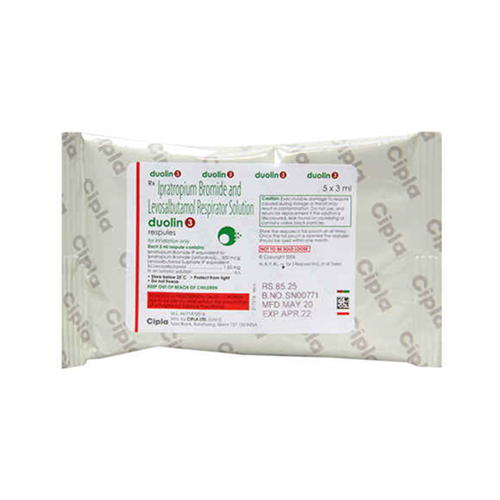
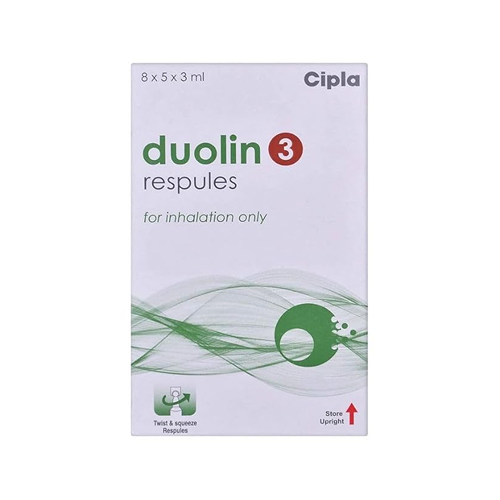
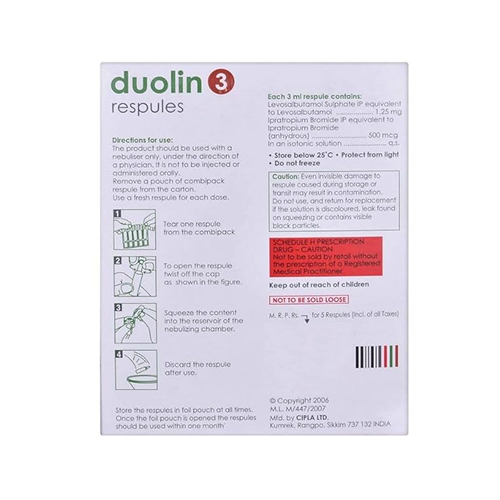
Duolin 3 Respules 3ml
Levosalbutamol (1.25mg) + Ipratropium (500mcg)
MRP
₹28.28
PKG
1 RESPULES
Stock
4290
₹28.28
₹21.27
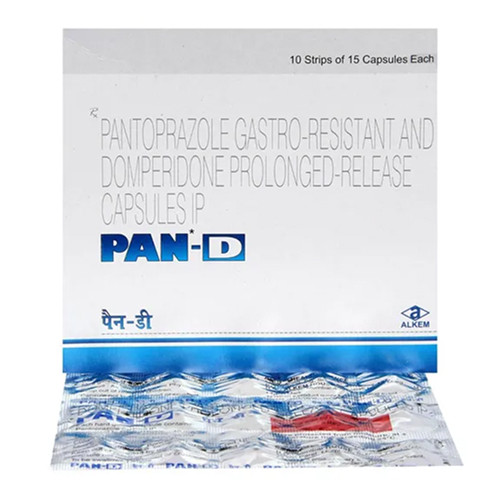
Pan D Capsule
Domperidone (30mg) + Pantoprazole (40mg)
MRP
₹261.9
PKG
15 CAPSULE
Stock
692
₹261.9
₹196.95
Vylda-m 500mg Tablet
Metformin undefined (500mg) + undefined Vildagliptin (50mg)
MRP
₹179.9
PKG
10 TABLETS
Stock
447
₹179.9
₹135.28
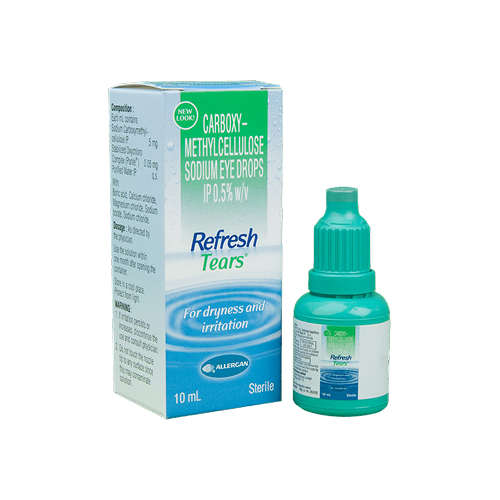
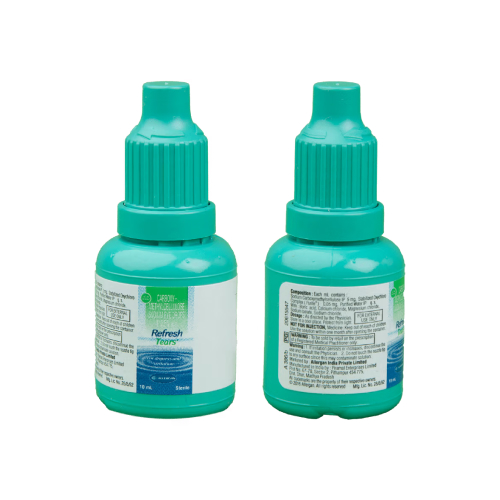
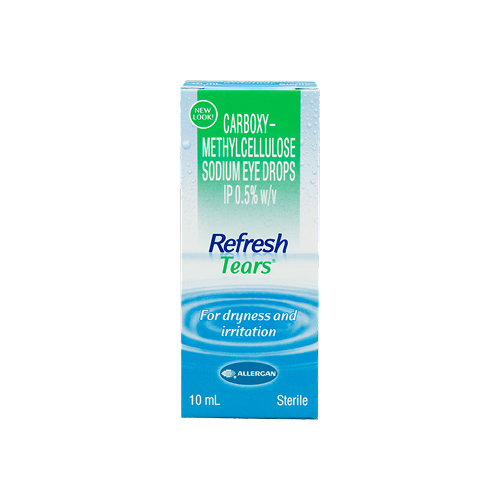
Refresh Tears Eye Drop 10 Ml
Carboxymethylcellulose (0.5% W/v)
MRP
₹132.12
PKG
10 ML
Stock
276
₹132.12
₹107.09
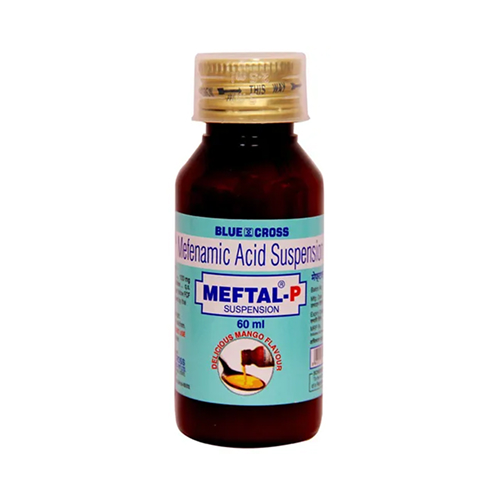
Meftal P 60 Ml Suspension Mango Flavour
Mefenamic Acid (100mg/5ml)
MRP
₹34.68
PKG
60 ML
Stock
91
₹34.68
₹26.08

Frequently Asked Questions
BETALOC 100 MG TABLET is a medication containing metoprolol tartrate, which belongs to a class of drugs known as beta-blockers. It is manufactured by ASTRAZENECA PHARMA INDIA LIMITED.
What is BETALOC 100 MG TABLET used for?
BETALOC 100 MG TABLET is primarily used to treat high blood pressure (hypertension). It also helps prevent angina (heart-related chest pain), manages irregular heart rhythms (arrhythmia), and reduces the risk of heart complications after a heart attack. Additionally, it can be used to prevent migraine headaches and manage symptoms of an overactive thyroid gland (hyperthyroidism).
How does BETALOC 100 MG TABLET work?
BETALOC 100 MG TABLET contains metoprolol tartrate, which is a beta-blocker. It works by affecting the body's response to certain nerve impulses, especially in the heart. This action slows down the heart rate, makes the heart pump blood with less force, and reduces its need for blood and oxygen. It also helps to widen blood vessels and can help the heart beat more regularly, thereby lowering blood pressure and easing the heart's workload.
What is the usual dosage of BETALOC 100 MG TABLET?
The dosage of BETALOC 100 MG TABLET depends on the condition being treated and will be determined by your doctor. For high blood pressure, a common starting dose might be 50 mg or 100 mg once daily, which can be increased to 50 mg or 100 mg once or twice daily, or up to 200 mg daily. For angina, the usual dose is 100-200 mg daily, given in divided doses. For heart rhythm disturbances or migraine prevention, dosages typically range from 100-200 mg daily, often in divided doses. It should be taken at about the same time each day, with or immediately after food for better absorption, or as directed by your doctor.
What are the possible side effects of BETALOC 100 MG TABLET?
Common side effects of BETALOC 100 MG TABLET can include dizziness, tiredness, headache, nausea, vomiting, diarrhoea, stomach pain, and cold hands and feet. More serious but rare side effects can include shortness of breath, swelling of ankles/feet, chest tightness, irregular heartbeat, or signs of allergic reactions such as skin rash or swelling of the face, lips, tongue, or throat. If you experience any severe or persistent side effects, contact your doctor immediately.
Is BETALOC 100 MG TABLET safe during pregnancy or breastfeeding?
BETALOC is generally not recommended for use during pregnancy unless the benefits clearly outweigh the potential risks to the fetus, as it may cause fetal harm and preterm delivery. The active ingredient in BETALOC passes into breast milk, which may affect the breastfed baby. It is important to discuss with your doctor if you are pregnant, planning to become pregnant, or breastfeeding.
Can BETALOC 100 MG TABLET be taken with other medications?
BETALOC 100 MG TABLET can interact with several other medications. It should be used with caution or avoided with other beta-blockers (including eye drops), calcium channel blockers (e.g., verapamil, diltiazem), certain antiarrhythmic medicines (e.g., amiodarone, disopyramide, quinidine), and some medicines for high blood pressure (e.g., clonidine). Non-steroidal anti-inflammatory drugs (NSAIDs) may also reduce its blood pressure-lowering effect. Always inform your doctor and pharmacist about all medicines, vitamins, and herbal supplements you are taking to check for potential interactions.
What precautions should be taken while using BETALOC 100 MG TABLET?
Do not stop taking BETALOC suddenly, as this can worsen your condition or increase the risk of heart attack or stroke; the dose should be gradually reduced over several days under medical supervision. It may cause dizziness, so be cautious when driving or operating machinery until you know how it affects you. If you have diabetes, regularly monitor your blood sugar levels as BETALOC can mask symptoms of low blood sugar and may affect diabetes control. Alcohol consumption should be avoided as it can increase the blood pressure-lowering effect and cause increased dizziness. Inform your doctor if you have asthma, severe circulation problems, slow heart rate, or liver/kidney impairment.
What happens if a dose is missed?
If you miss a dose of BETALOC 100 MG TABLET, take it as soon as you remember. However, if it is almost time for your next scheduled dose (typically within 12 hours), skip the missed dose and take your next dose at the regular time. Do not take a double dose to make up for a missed one. If you frequently forget doses, consider setting an alarm or asking your pharmacist for tips.
How should it be stored?
BETALOC 100 MG TABLET should be stored at room temperature, away from direct heat and light. Keep the tablets in their blister pack until it's time to take them. Do not freeze the medication. Ensure it is kept out of sight and reach of children and pets.