Flamingo Below Knee Stockings - S (beige)
Not Available
Source ID: 252892
Description
FLAMINGO BELOW KNEE STOCKINGS - S (BEIGE)
Flamingo Below Knee Stockings, manufactured by Ascent Meditech Limited, are designed to provide therapeutic compression and support to the lower legs. This medical device helps manage various circulatory and leg-related conditions.
Name
- Common Name: Below Knee Stockings, Compression Stockings
- Brand Name: Flamingo Below Knee Stockings (S, Beige)
- Manufacturer: Ascent Meditech Limited
Composition
These stockings are generally crafted from a high-quality 2-way stretch knit fabric, often incorporating imported nylon and spandex yarn to ensure both comfort and effective compression. Some variants may also be cotton-rich for enhanced comfort in warmer climates.
Uses
Flamingo Below Knee Stockings are primarily used to provide mild support and uniform compression to the legs. They are indicated for:
- Managing varicose veins and spider veins.
- Aiding in post-surgery recovery.
- Providing support during pregnancy.
- Relieving mild to moderate strains.
- Reducing swelling (edema) and alleviating pain in the legs.
- Improving blood circulation and preventing the pooling of blood.
- Addressing muscle weakness and sore, aching, tired legs.
Dosage and Administration (Wearing Guidance)
- Sizing: It is crucial to get correctly measured to ensure the right fit and achieve maximum benefit. Incorrect sizing can lead to discomfort or reduced effectiveness.
- Application: Wear the stockings first thing in the morning when legs are least swollen. Broaden the opening and slide the foot into the stocking, pulling it up to the heel/ankle, then unfold upwards from the knee, smoothing out any creases.
- Duration: Most compression socks are safe to wear for several hours or all day, but specific duration, especially for overnight wear, should be discussed with a doctor.
- Care: Wash after each use to help the material return to its original shape.
Side Effects
When improperly fitted or used, compression stockings can lead to several side effects:
- Skin irritation, including itchiness, redness, or a feeling of warmth or cold.
- Pain or discomfort.
- Chafing, bruising, or temporary dents in the skin.
- Cuts and scrapes, especially for individuals with compromised or dry skin.
- If too tight, they can restrict blood flow rather than improve it, potentially causing circulation issues.
Precautions
- Contraindications: Do not wear if you have severe peripheral artery disease (PAD), severe nerve damage related to diabetes or alcoholism, uncontrolled congestive heart failure with massive leg swelling or pulmonary edema, acute/red/oozing dermatitis, skin/vascular infections, recent skin grafts, unhealed ulcers, or gangrene.
- Allergies: Discontinue use if allergic reactions to the material occur.
- Fitment: Ensure proper measurements are taken as incorrect fit can worsen conditions or cause adverse effects.
- Skin Condition: People with delicate, thin, brittle, or easily irritated skin should be cautious, as compression stockings can worsen these conditions.
- Moisturizers: Avoid applying lotions or oils before wearing, as they can break down elastic fibers. Moisturize in the evening after removal.
- Medical Advice: Always consult a healthcare professional to ensure this is the correct treatment and to determine the appropriate compression level and duration of wear.
Storage
- Washing: Hand-wash the stockings in cold water with gentle soap.
- Drying: Hang them to dry; do not wring or place them in a dryer or near a heat source, as excessive heat can weaken or damage the fabric.
- Replacement: If worn daily, medical compression stockings typically need to be replaced every 4-6 months as elastic fibers can break down.
- General: Store neatly, rolled up, or in a drawer organizer to prevent tangling and maintain integrity.
Shop by Frequently Purchased Items

Electral 21.8gm
Dextrose-13.5gm + Potassium Chloride-1.5gm + Sodium Chloride-2.6gm + Sodium Citrate-2.9gm
MRP
₹23.2
PKG
21.8 GM
Stock
8519
₹23.2
₹17.45
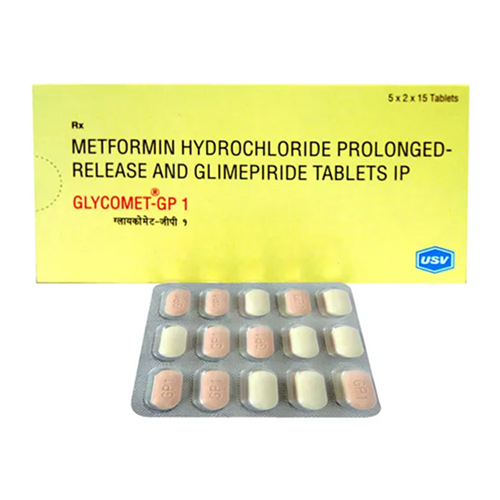
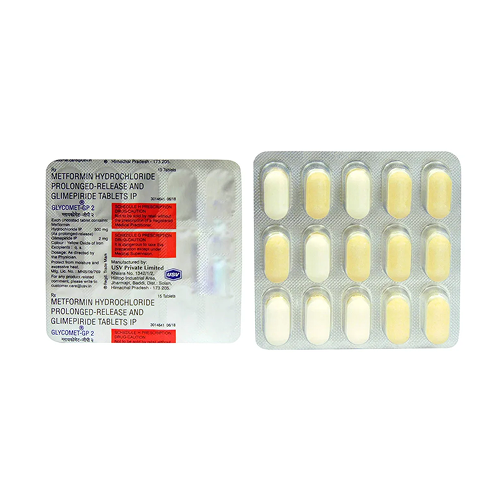
Glycomet-gp 1 Tablet
Glimepiride (1mg) + Metformin (500mg)
MRP
₹123.28
PKG
15 TABLET
Stock
2743
₹123.28
₹92.71
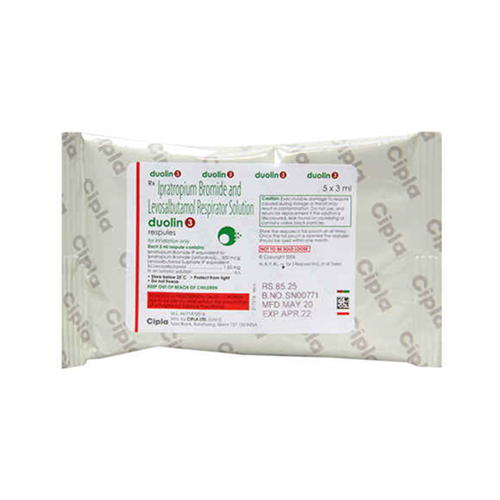
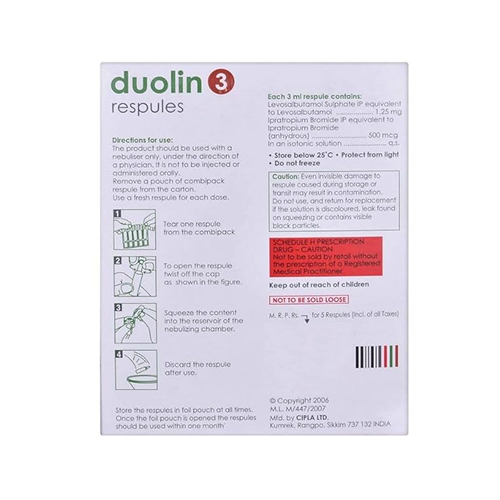
Duolin 3 Respules 3ml
Levosalbutamol (1.25mg) + Ipratropium (500mcg)
MRP
₹28.28
PKG
1 RESPULES
Stock
1993
₹28.28
₹21.27



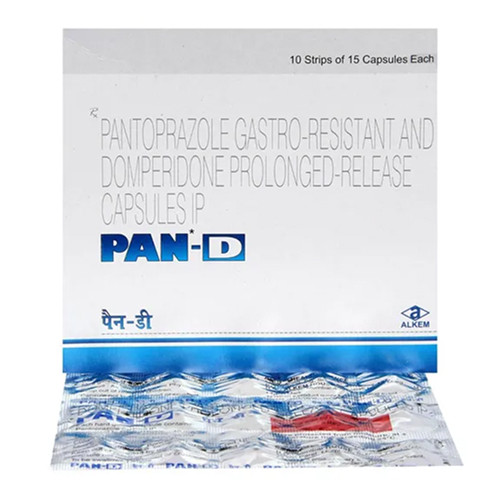
Pan D Capsule
Domperidone (30mg) + Pantoprazole (40mg)
MRP
₹261.9
PKG
15 CAPSULE
Stock
830
₹261.9
₹196.95

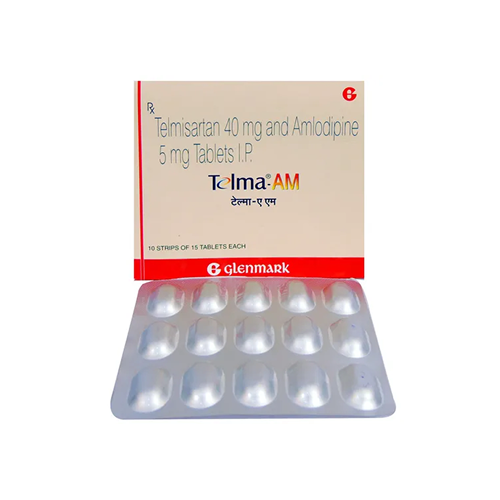
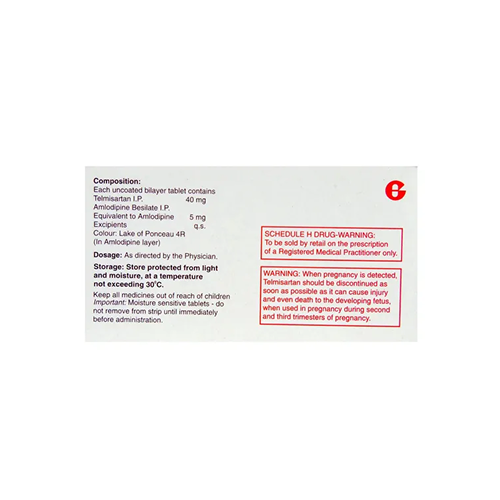
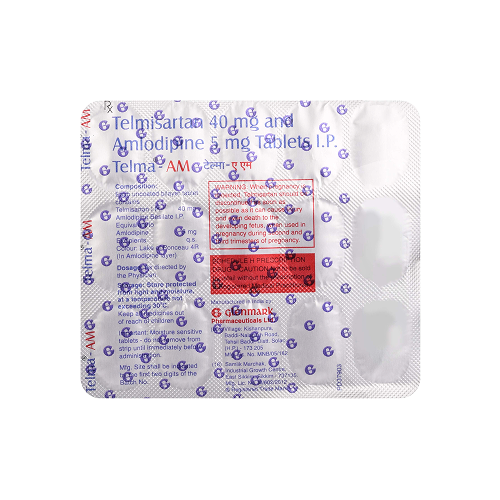
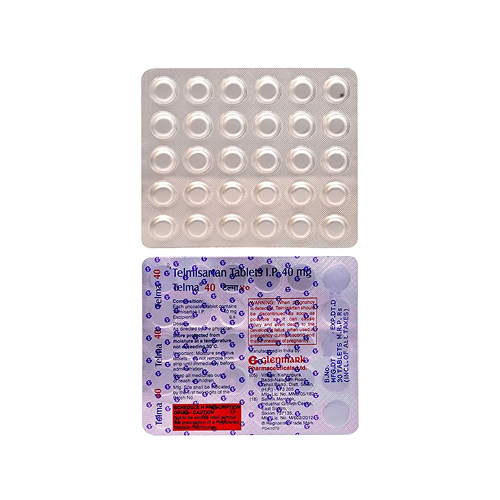
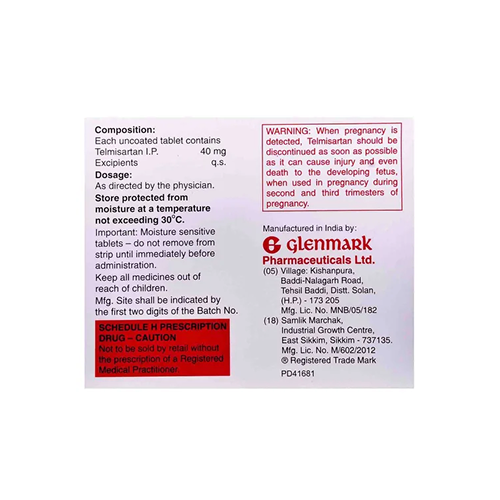
Telma-am Tablet
Telmisartan (40mg) + Amlodipine (5mg)
MRP
₹341.72
PKG
15 TABLET
Stock
705
₹341.72
₹256.98
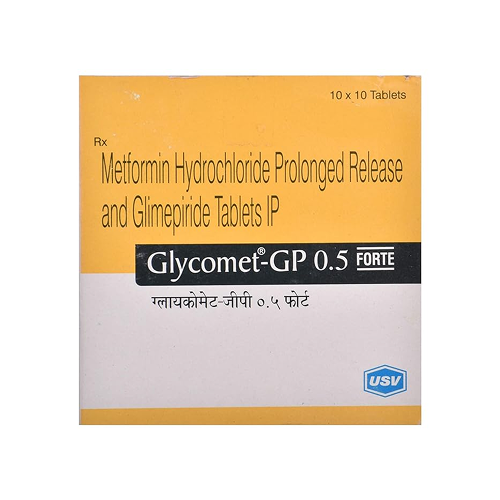
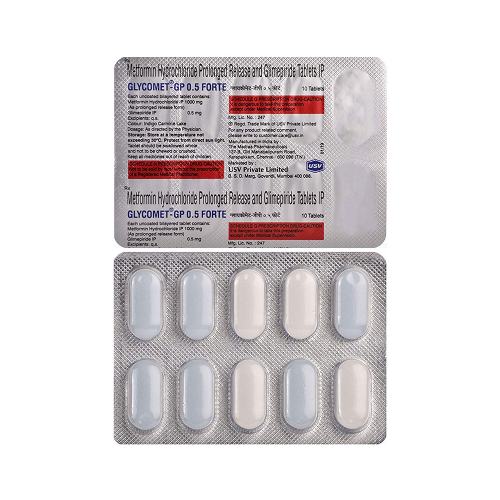
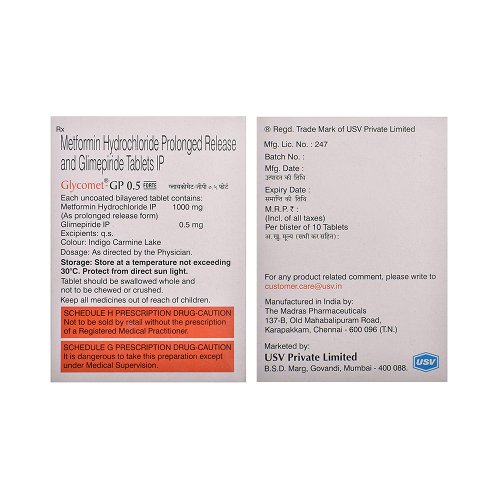
Glycomet-gp 0.5 Tablet
Glimepiride (0.5mg) + Metformin (500mg)
MRP
₹88.88
PKG
10 TABLET
Stock
675
₹88.88
₹66.84



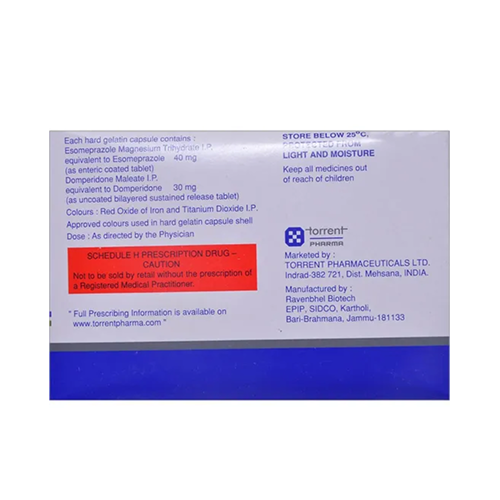
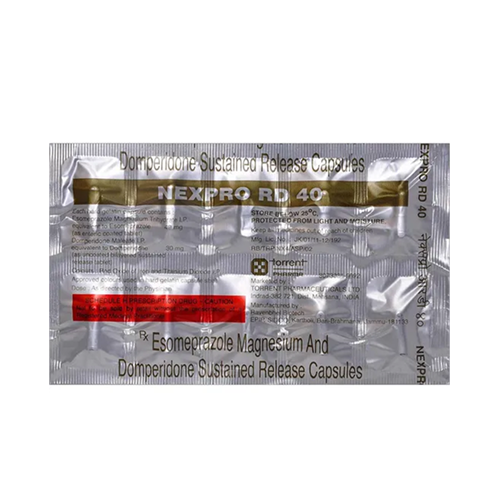
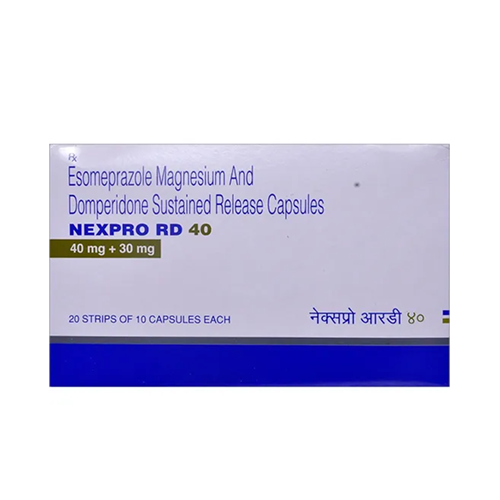
Nexpro Rd 40mg 10cap
Domperidone (30mg) + Esomeprazole (40mg)
MRP
₹191.95
PKG
10 CAPSULE
Stock
475
₹191.95
₹144.35
Vylda-m 500mg Tablet
Metformin undefined (500mg) + undefined Vildagliptin (50mg)
MRP
₹179.9
PKG
10 TABLETS
Stock
467
₹179.9
₹135.28

Gluconorm G 1 Tablet
Glimepiride (1mg) + Metformin (500mg)
MRP
₹255.5
PKG
15 TABLET
Stock
346
₹255.5
₹192.14


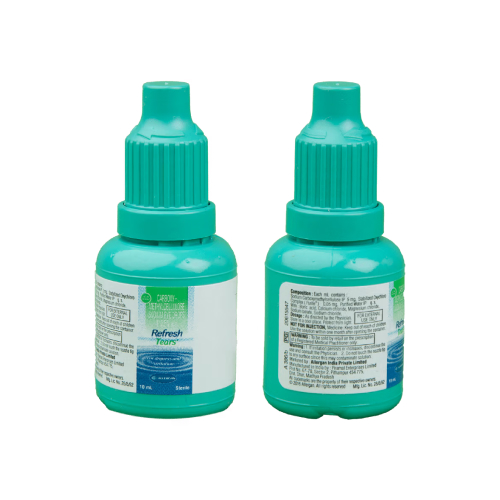
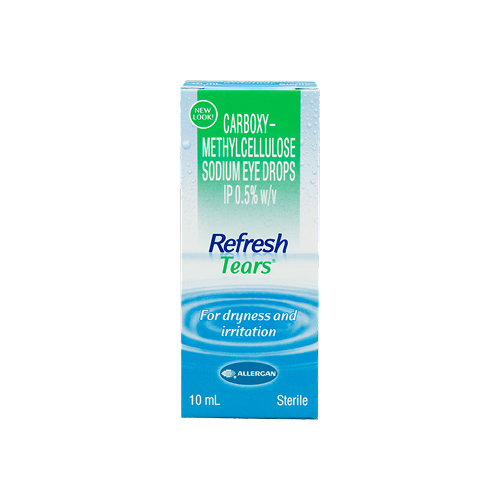
Refresh Tears Eye Drop 10 Ml
Carboxymethylcellulose (0.5% W/v)
MRP
₹131.27
PKG
10 ML
Stock
333
₹131.27
₹106.38
Frequently Asked Questions
FLAMINGO BELOW KNEE STOCKINGS - S (BEIGE) by ASCENT MEDITECH LIMITED are a type of compression hosiery, which are medical devices designed to provide graduated compression to the legs. They are not a medicine. Here are some frequently asked questions about them:
What are FLAMINGO BELOW KNEE STOCKINGS used for?
These stockings are primarily used to improve blood flow in the legs and prevent or reduce swelling, pain, and discomfort. They are ideal for individuals managing conditions like varicose veins, spider veins, lymphedema, and general leg edema (swelling). They are also recommended for post-surgery recovery, during pregnancy, for mild to moderate leg strains, and for people who sit or stand for long periods, or during long-distance travel to prevent blood clots like deep vein thrombosis (DVT).
How do FLAMINGO BELOW KNEE STOCKINGS work?
Flamingo Below Knee Stockings provide graduated compression, meaning they are tightest around the ankle and gradually less constrictive towards the knee. This gentle pressure helps to squeeze the veins, encouraging blood to flow back towards the heart more efficiently. This action reduces blood pooling in the lower legs, supports vein walls, and improves overall circulation.
What is the usual compression level and how long should they be worn?
Compression stockings come in different pressure levels, measured in mmHg (millimeters of mercury). Flamingo Below Knee Stockings often provide mild to moderate support, such as 15-20 mmHg (over-the-counter) or 20-30 mmHg (medical grade 1), though specific product details should be checked. For most people, they are worn during the day when you are upright and active, and taken off before sleeping, unless advised otherwise by a doctor. It's generally recommended to put them on first thing in the morning when legs are least swollen.
What are the possible side effects?
When worn and fitted correctly, compression stockings are generally safe. However, incorrect sizing or wear can lead to side effects such as skin irritation, itchiness, redness, pain, discomfort, or minor bruising. If they are too tight or bunched, they can cause a "tourniquet effect" that can impede blood flow. In rare cases, especially with severe peripheral arterial disease, they can worsen circulation.
Are FLAMINGO BELOW KNEE STOCKINGS safe during pregnancy or breastfeeding?
Yes, compression stockings are generally considered safe and beneficial during pregnancy. They can help prevent and reduce common pregnancy-related issues like leg swelling, fatigue, discomfort, and the development or worsening of varicose veins, and reduce the risk of DVT. They are also useful postpartum for recovery.
Can FLAMINGO BELOW KNEE STOCKINGS be used with other medical devices or treatments?
Compression stockings are often used as part of a broader treatment plan for venous and lymphatic conditions. However, caution is advised if you have severe peripheral arterial disease (PAD), especially if your ankle-brachial index (ABPI) is low, as compression might be contraindicated or require lower compression levels and medical supervision. Always consult a healthcare professional about combining compression therapy with other medical treatments or conditions.
What precautions should be taken?
Ensure correct sizing and proper application to avoid discomfort or adverse effects. Do not fold or roll down the tops of the stockings, as this can create a tourniquet effect. If you have open wounds, delicate skin, or conditions like severe peripheral arterial disease, consult your doctor before use. Monitor your skin for any signs of irritation or discomfort.
How should FLAMINGO BELOW KNEE STOCKINGS be cared for and stored?
Compression stockings should be washed daily to maintain elasticity and effectiveness, and to remove oils and dirt. Hand washing with mild soap and lukewarm water is recommended, but they can often be machine washed on a gentle cycle in a mesh bag. Avoid harsh detergents, bleach, or fabric softeners. Air dry them away from direct sunlight or heat, as heat can damage the elastic fibers. Store them in a cool, dry place, flat or lightly rolled. Replace them every 3 to 6 months as their compression effectiveness can diminish over time.