Nindanib 150mg
Not Available
Source ID: 255305
₹1214.06
₹912.97
(Inclusive of all taxes)Batch
-
PKG
10 CAPSULE
Expiry
-
MRP
₹1214.06
Stock
56
Discount
24.8%
Description
NINDANIB 150MG
Name:
- Common Name: Nintedanib
- Brand Names: Nindanib (by Glenmark Pharmaceuticals Ltd.), Ofev
Composition: Each soft gelatin capsule contains Nintedanib 150 mg as the active ingredient. Nintedanib is a tyrosine kinase inhibitor.
Uses: Nindanib 150MG is prescribed for adults for the treatment of various lung conditions and certain cancers:
- Idiopathic Pulmonary Fibrosis (IPF): A chronic lung disease characterized by scarring and stiffness of the lungs.
- Chronic Fibrosing Interstitial Lung Diseases (ILDs) with a progressive phenotype: Conditions where lung fibrosis continues to worsen.
- Systemic Sclerosis-Associated Interstitial Lung Disease (SSc-ILD): To slow the rate of decline in lung function.
- Non-Small Cell Lung Cancer (NSCLC): It works by targeting pathways involved in the growth and progression of cancer cells.
Dosage and Administration: The usual recommended dosage is one 150 mg capsule, swallowed whole with liquid, twice daily, approximately 12 hours apart. It should be taken with food. Do not chew, crush, or open the capsules. If a dose is missed, take the next dose at the regularly scheduled time; do not take a double dose. The maximum daily dose is 300 mg. Dosage may be reduced to 100 mg twice daily or treatment may be interrupted if side effects or changes in liver tests occur.
Side Effects:
- Common Side Effects: Diarrhea, nausea, vomiting, abdominal pain, abnormal liver function tests, loss of appetite, headache, weight loss, and high blood pressure.
- Serious Side Effects: Liver problems (e.g., jaundice, dark urine, upper right stomach pain, bleeding or bruising more easily, fatigue, loss of appetite), bleeding problems, heart attack or stroke, gastrointestinal perforation (a tear in the stomach or bowels), and increased protein in the urine (proteinuria). Seek immediate medical attention for any signs of serious side effects.
Precautions:
- Pregnancy and Breastfeeding: Nindanib can cause birth defects or harm an unborn baby and is not recommended during pregnancy or breastfeeding. Women of reproductive potential must use highly effective birth control during treatment and for at least 3 months after the last dose. A pregnancy test should be performed before starting treatment.
- Liver and Kidney Problems: Inform your doctor if you have liver or kidney problems. Liver function tests will be monitored before and during treatment. Use is not recommended for moderate or severe liver dysfunction.
- Bleeding Risk: Exercise caution if you have a bleeding problem or are taking blood-thinning medicines (anticoagulants), as Nindanib may increase the risk of bleeding.
- Other Conditions: Inform your doctor about heart problems, recent abdominal surgery, or a history of blood clots. Nindanib may affect wound healing.
- Interactions: Avoid co-administration with certain anti-infective medicines (e.g., erythromycin, rifampicin), medicines for brain-related disorders (e.g., phenytoin, carbamazepine), and St. John's wort. Do not consume grape juice or grapes while taking this medicine.
- Smoking: Avoid smoking, as it may reduce the effectiveness of the medicine.
Storage: Store below 25°C or 30°C. Protect from light and moisture. Keep out of reach and sight of children and pets.
₹1214.06
₹912.97
(Inclusive of all taxes)Shop by Frequently Purchased Items

Electral 21.8gm
Dextrose-13.5gm + Potassium Chloride-1.5gm + Sodium Chloride-2.6gm + Sodium Citrate-2.9gm
MRP
₹23.2
PKG
21.8 GM
Stock
8017
₹23.2
₹17.45
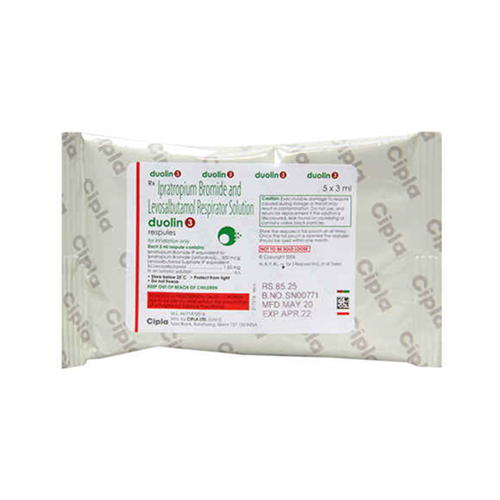
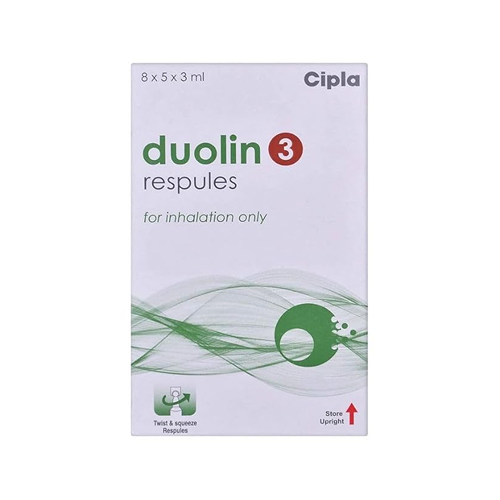
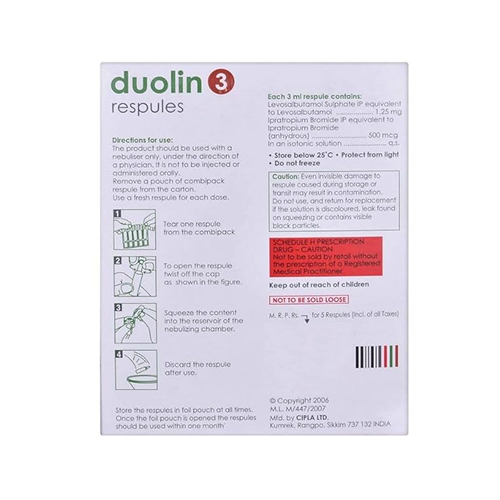
Duolin 3 Respules 3ml
Levosalbutamol (1.25mg) + Ipratropium (500mcg)
MRP
₹28.28
PKG
1 RESPULES
Stock
4332
₹28.28
₹21.27
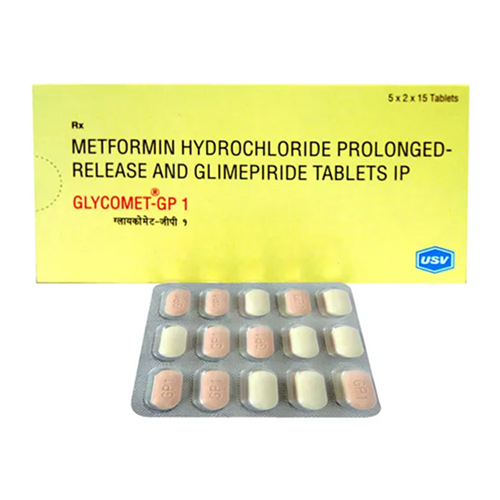
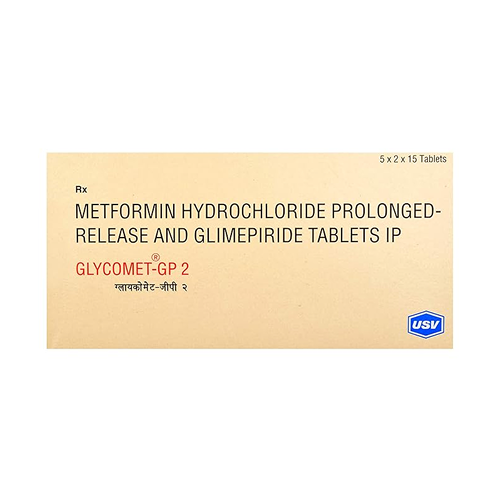
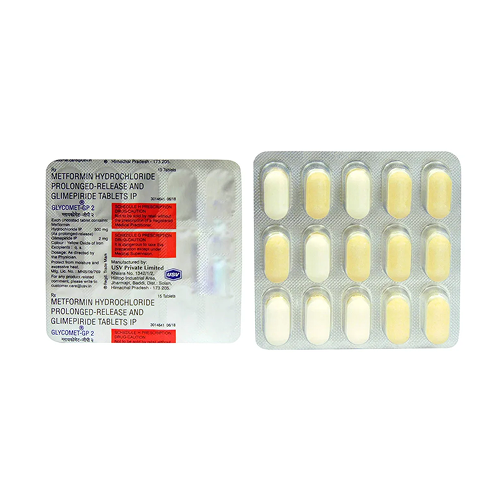
Glycomet-gp 1 Tablet
Glimepiride (1mg) + Metformin (500mg)
MRP
₹123.28
PKG
15 TABLET
Stock
2635
₹123.28
₹92.71
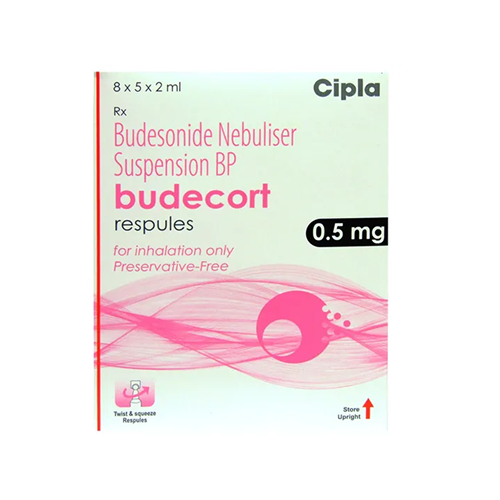
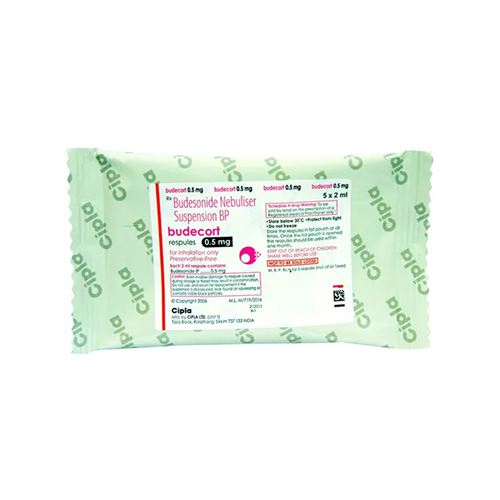
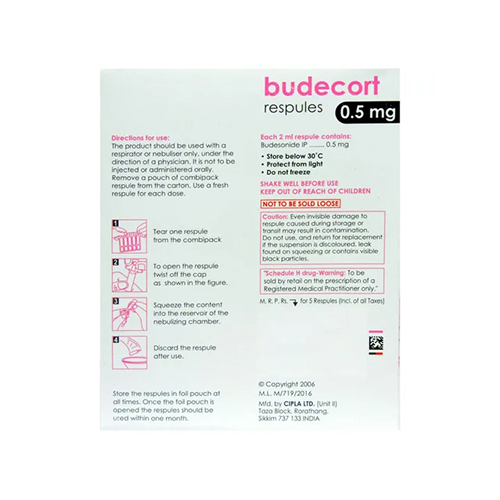
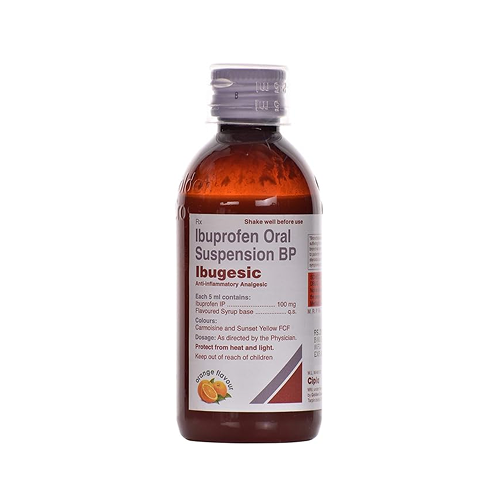
Ibugesic Plus Suspension (orange Flr)- 100 Ml
Ibuprofen-100mg + Paracetamol-162.5mg
MRP
₹62.27
PKG
100 ML
Stock
1329
₹62.27
₹46.82
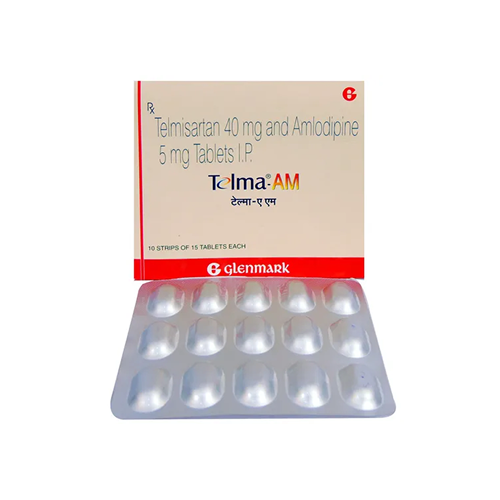
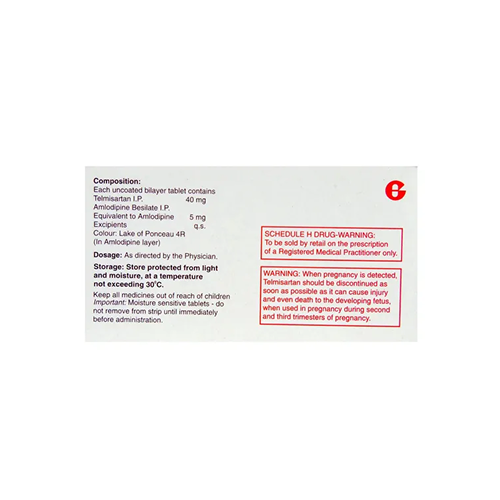
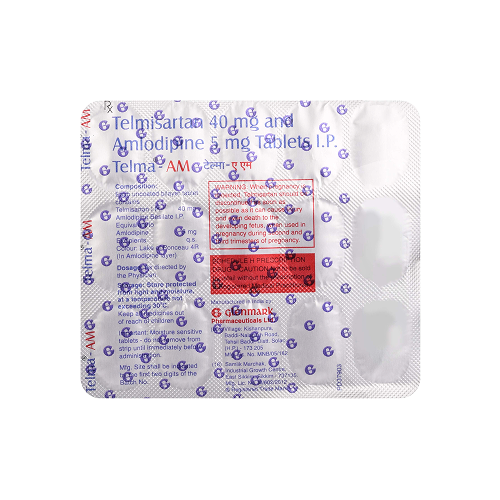
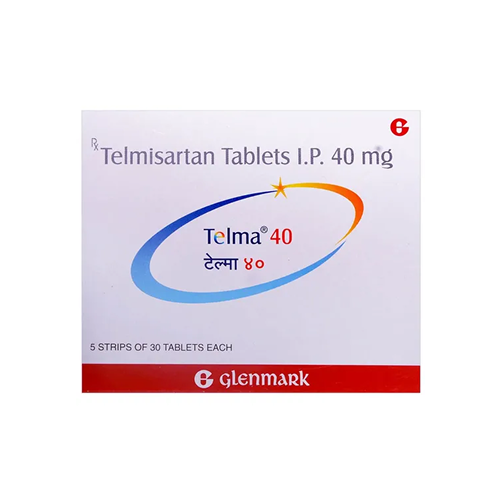
Telma-am Tablet
Telmisartan (40mg) + Amlodipine (5mg)
MRP
₹341.72
PKG
15 TABLET
Stock
831
₹341.72
₹256.98
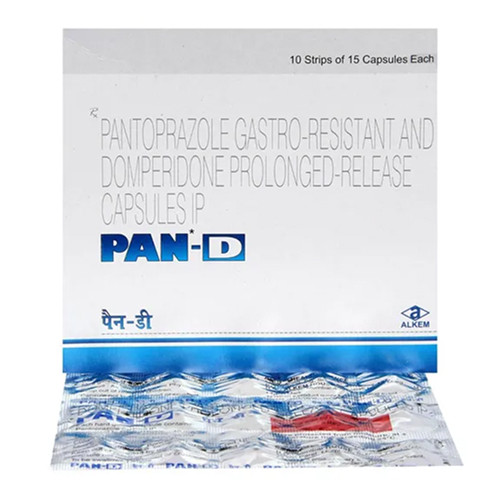
Pan D Capsule
Domperidone (30mg) + Pantoprazole (40mg)
MRP
₹261.9
PKG
15 CAPSULE
Stock
749
₹261.9
₹196.95

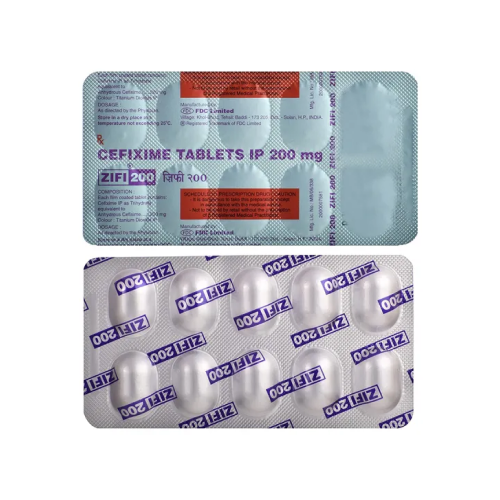
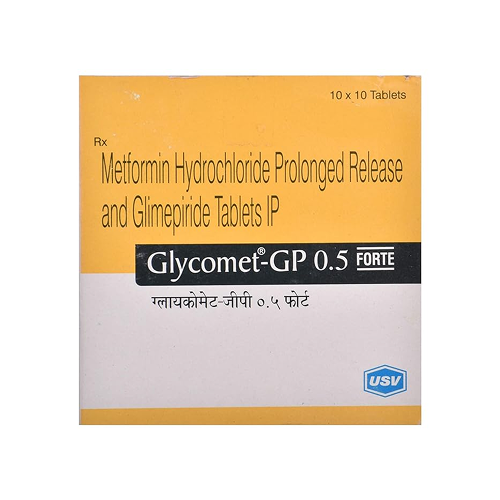
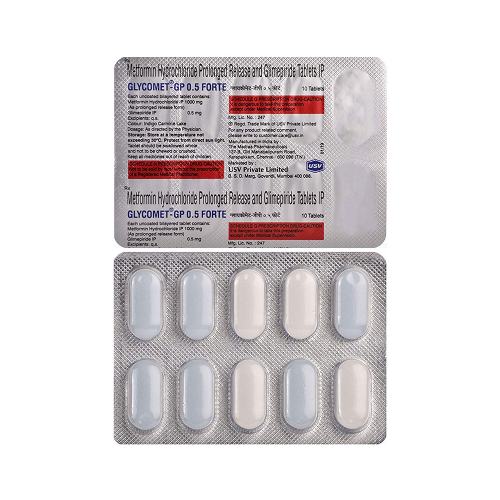
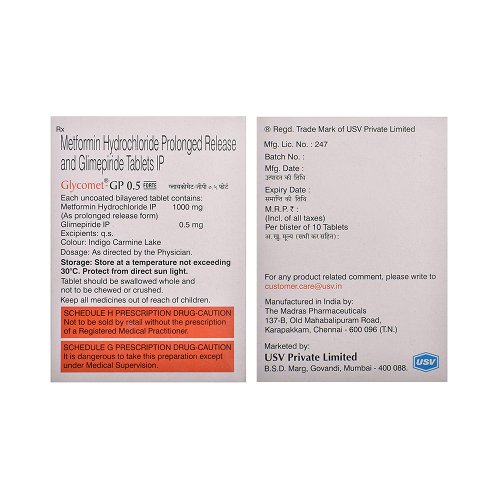
Glycomet-gp 0.5 Tablet
Glimepiride (0.5mg) + Metformin (500mg)
MRP
₹88.88
PKG
10 TABLET
Stock
630
₹88.88
₹66.84


Vylda-m 500mg Tablet
Metformin undefined (500mg) + undefined Vildagliptin (50mg)
MRP
₹179.9
PKG
10 TABLETS
Stock
456
₹179.9
₹135.28
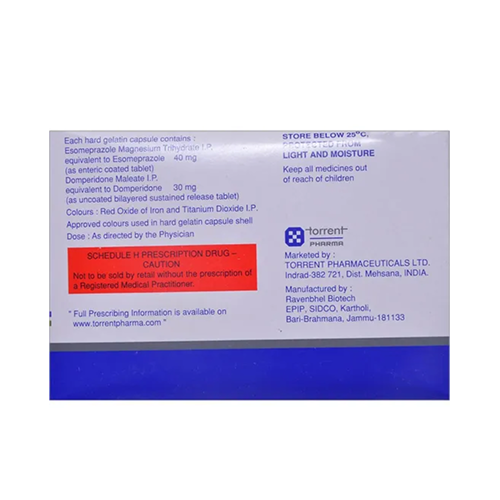
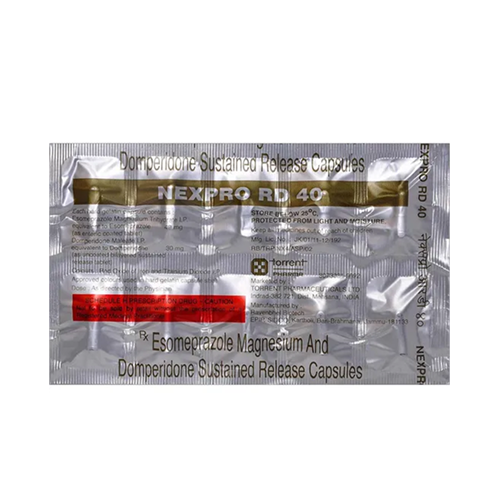
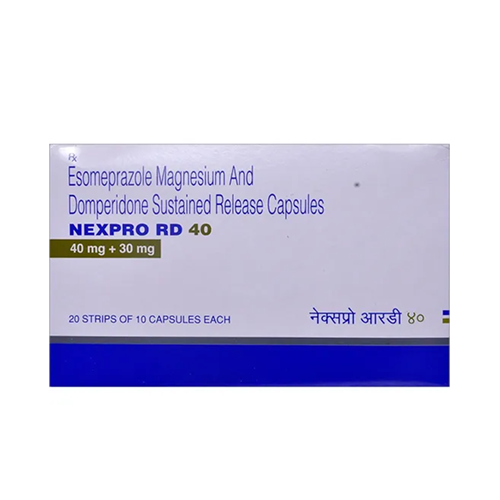
Nexpro Rd 40mg 10cap
Domperidone (30mg) + Esomeprazole (40mg)
MRP
₹191.95
PKG
10 CAPSULE
Stock
398
₹191.95
₹144.35
Gluconorm G 1 Tablet
Glimepiride (1mg) + Metformin (500mg)
MRP
₹255.5
PKG
15 TABLET
Stock
329
₹255.5
₹192.14
Frequently Asked Questions
Nindanib 150mg, manufactured by Glenmark Pharmaceuticals Ltd, contains the active ingredient Nintedanib. It is a medication primarily used to treat certain chronic lung diseases and some types of cancer.
What is Nindanib 150mg used for?
Nindanib 150mg is used to treat adults with idiopathic pulmonary fibrosis (IPF), which is a chronic lung disease causing scarring of the lungs. It is also prescribed for other chronic fibrosing interstitial lung diseases (ILDs) with a progressive phenotype, and to slow the decline in lung function in adults with systemic sclerosis-associated interstitial lung disease (SSc-ILD). Additionally, it is used in the treatment of certain types of non-small cell lung cancer (NSCLC).
How does Nindanib 150mg work?
Nindanib 150mg is a type of medicine called a tyrosine kinase inhibitor (TKI). It works by blocking several growth factor receptors in the body, such as platelet-derived growth factor receptor (PDGFR), fibroblast growth factor receptor (FGFR), and vascular endothelial growth factor receptor (VEGFR). By inhibiting these receptors, Nindanib helps to reduce the proliferation and migration of fibroblasts, which are cells involved in the formation of scar tissue in the lungs. This action helps to slow down the scarring process in lung diseases and can inhibit the growth and spread of certain cancer cells.
What is the usual dosage for Nindanib 150mg?
The usual recommended dosage for Nindanib 150mg is one 150 mg capsule taken twice daily, approximately 12 hours apart. It should be swallowed whole with liquid and taken with food. Do not chew, crush, or open the capsules. Your doctor may adjust the dose or temporarily interrupt treatment if you experience side effects. The maximum daily dose is 300 mg.
What are the possible side effects of Nindanib 150mg?
Common side effects include diarrhea, nausea, vomiting, abdominal pain, decreased appetite, headache, and weight loss. More serious, though less common, side effects can include liver problems (e.g., yellowing of skin/eyes, dark urine, upper right abdominal pain), bleeding problems, high blood pressure, and gastrointestinal perforation. It is important to inform your doctor if you experience any persistent or severe side effects.
Is Nindanib 150mg safe during pregnancy or breastfeeding?
Nindanib 150mg is not recommended during pregnancy as it can cause birth defects or be harmful to an unborn baby. Women who are able to become pregnant must use highly effective birth control before starting, during, and for at least 3 months after treatment. It is also not recommended during breastfeeding, as it is unknown if the medication passes into breast milk and could potentially harm a nursing infant.
Can Nindanib 150mg be taken with other medications?
Nindanib 150mg can interact with other medications. It is important to inform your doctor about all prescription, over-the-counter, vitamin, and herbal supplements you are taking. Medications that affect certain enzymes (P-gp and CYP3A4 inducers/inhibitors), such as ketoconazole, erythromycin, rifampicin, carbamazepine, phenytoin, and St. John's wort, can alter the levels of Nindanib in your body. Taking Nindanib with blood-thinning medications may increase the risk of bleeding.
What precautions should be taken while taking Nindanib 150mg?
Before starting Nindanib, tell your doctor if you have liver problems, heart problems, bleeding problems, kidney issues, a history of blood clots, or if you have had recent surgery in your stomach area. Liver function tests will be performed before and regularly during treatment. Women of childbearing potential must use effective contraception. Smoking should be avoided as it may reduce the medicine's effectiveness. Also, avoid consuming grape juice while on this medication.
What happens if a dose of Nindanib 150mg is missed?
If you miss a dose of Nindanib 150mg, skip the missed dose and take your next dose at your regularly scheduled time. Do not take an extra dose or a double dose to make up for the missed one.
How should Nindanib 150mg be stored?
Nindanib 150mg capsules should be stored in a cool and dry place, typically below 25°C or 30°C. Protect the medication from direct sunlight and moisture. Keep it out of the sight and reach of children and pets.