Lantus Injection 100 Iu/ml Vial 10 Ml
Insulin Glargine (100iu)
Source ID: 249375
₹2173.29
₹1716.00
(Inclusive of all taxes)Batch
-
PKG
1 VIAL 10
Expiry
-
MRP
₹2173.29
Stock
6
Discount
21.04%
Description
LANTUS INJECTION 100 IU/ML VIAL 10 ML
LANTUS is a long-acting insulin analog manufactured by SANOFI INDIA LIMITED, used to manage blood sugar levels in individuals with diabetes mellitus.
-
Name:
- Brand Name: Lantus
- Common Name: Insulin Glargine
-
Composition:
- Active Ingredient: Insulin Glargine (100 IU/ml)
- Inactive Ingredients (for 10 mL vial): Glycerol 85%, m-cresol, polysorbate 20, zinc, and Water for Injection, USP. Hydrochloric acid and sodium hydroxide may be added to adjust the pH.
-
Uses: Lantus is prescribed to improve blood sugar control in:
- Adults and children aged 6 years and older with Type 1 diabetes mellitus.
- Adults with Type 2 diabetes mellitus. It provides a steady level of insulin for up to 24 hours, helping to control blood sugar consistently throughout the day. Lantus is not indicated for the treatment of diabetic ketoacidosis.
-
Dosage and Administration: Lantus is administered subcutaneously once daily, at any time of day, but consistently at the same time each day. Dosage is individualized based on the patient's metabolic needs, blood glucose monitoring results, and glycemic control goals.
- Type 1 Diabetes: The recommended starting dosage is approximately one-third of the total daily insulin requirements, used in conjunction with short-acting, pre-meal insulin.
- Type 2 Diabetes (insulin-naïve): The recommended starting dosage is 0.2 units/kg or up to 10 units once daily. Rotate injection sites within the abdominal area, thigh, or deltoid to reduce the risk of lipodystrophy. Do not inject into the same spot twice in a row. Do not dilute or mix Lantus with any other insulin or solution.
-
Side Effects:
- Common Side Effects: Low blood sugar (hypoglycemia), injection site reactions (redness, swelling, itching), skin rash, weight gain, joint pain, diarrhea, and lipodystrophy (changes in fat tissue at the injection site).
- Serious Side Effects: Severe hypoglycemia (can be life-threatening and may lead to seizures or coma), severe allergic reactions (e.g., rash over the body, trouble breathing, fast heartbeat, swelling of face/tongue/throat), hypokalemia (low potassium levels), and fluid retention which can lead to or worsen heart failure, especially when used with thiazolidinediones (TZDs).
-
Precautions:
- Do not use during episodes of hypoglycemia or if there is an allergy to insulin glargine or any of its ingredients.
- Never share needles, insulin pens, or syringes due to the risk of transmitting infections.
- Close monitoring of blood sugar is essential, particularly when making changes to insulin regimen, physical activity, meal patterns, or in patients with renal or hepatic impairment.
- Alcohol consumption can increase the risk of hypoglycemia.
- Use with caution in patients taking thiazolidinediones (TZDs) as it may increase the risk of fluid retention and heart failure.
- Inspect the solution visually; it should be clear and colorless without any visible particles.
-
Storage:
- Unopened Vials: Store in a refrigerator between 2°C and 8°C (36°F to 46°F). Do not freeze and protect from direct heat and light.
- Opened (In-Use) Vials: Can be stored in a refrigerator or at room temperature (below 30°C or 86°F) for up to 28 days. Discard the vial after 28 days, even if insulin remains.
- Do not use Lantus if it has been frozen or exposed to excessive heat.
₹2173.29
₹1716.00
(Inclusive of all taxes)Shop by Frequently Purchased Items
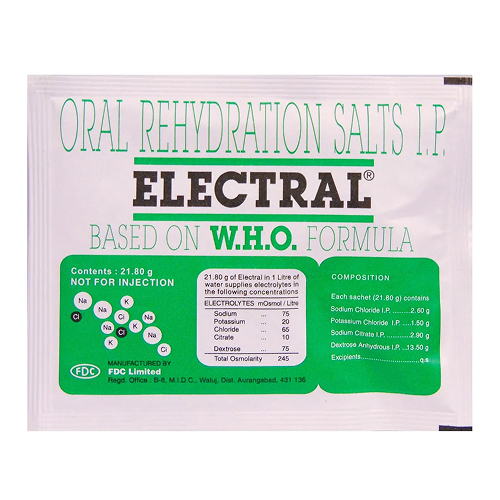
Electral 21.8gm
Dextrose-13.5gm + Potassium Chloride-1.5gm + Sodium Chloride-2.6gm + Sodium Citrate-2.9gm
MRP
₹23.2
PKG
21.8 GM
Stock
8061
₹23.2
₹17.45
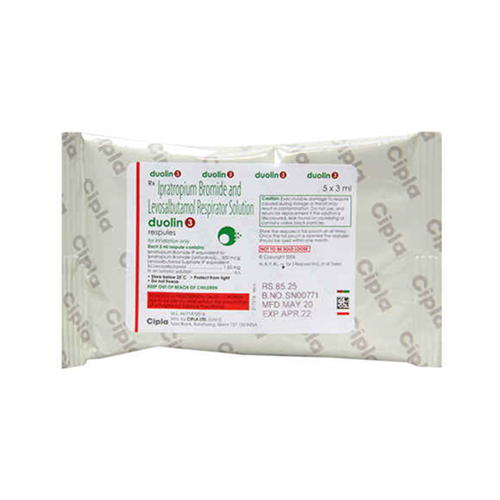
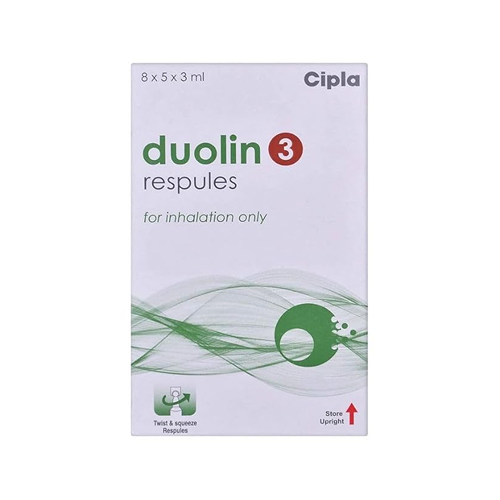
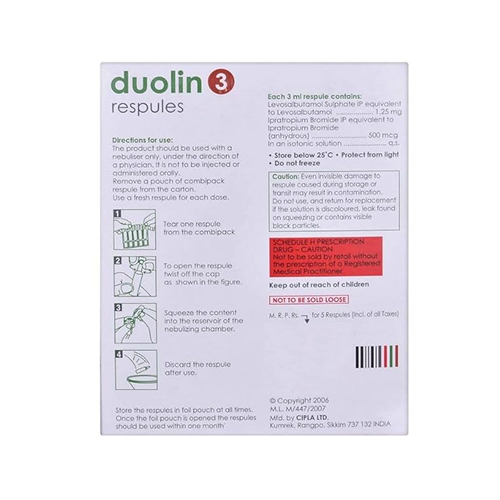
Duolin 3 Respules 3ml
Levosalbutamol (1.25mg) + Ipratropium (500mcg)
MRP
₹28.28
PKG
1 RESPULES
Stock
4386
₹28.28
₹21.27
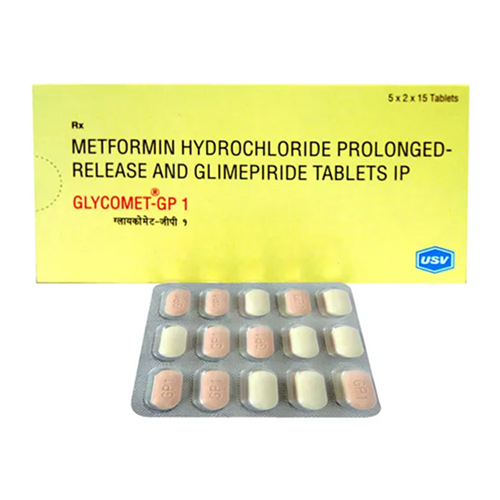
Glycomet-gp 1 Tablet
Glimepiride (1mg) + Metformin (500mg)
MRP
₹123.28
PKG
15 TABLET
Stock
2651
₹123.28
₹92.71
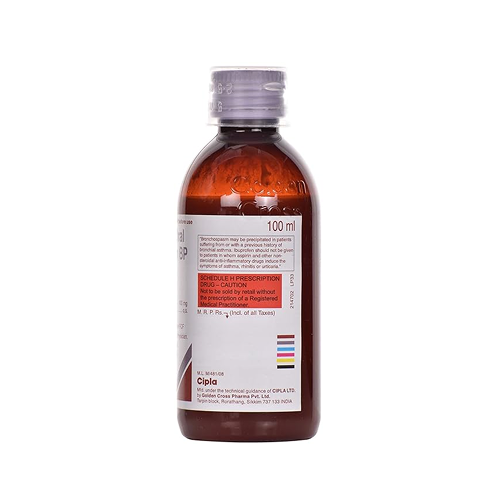
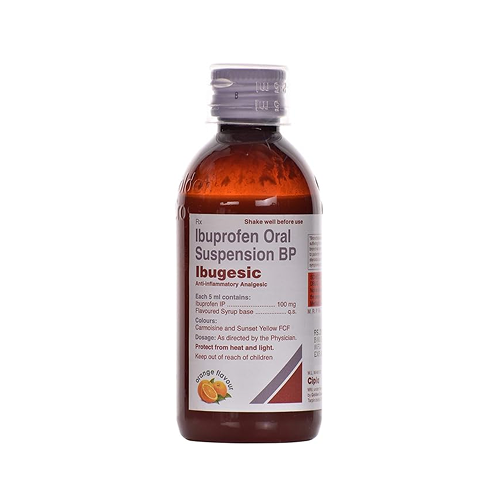
Ibugesic Plus Suspension (orange Flr)- 100 Ml
Ibuprofen-100mg + Paracetamol-162.5mg
MRP
₹62.27
PKG
100 ML
Stock
1384
₹62.27
₹46.82
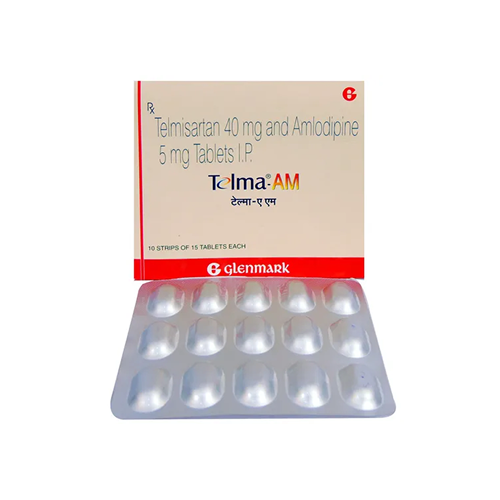
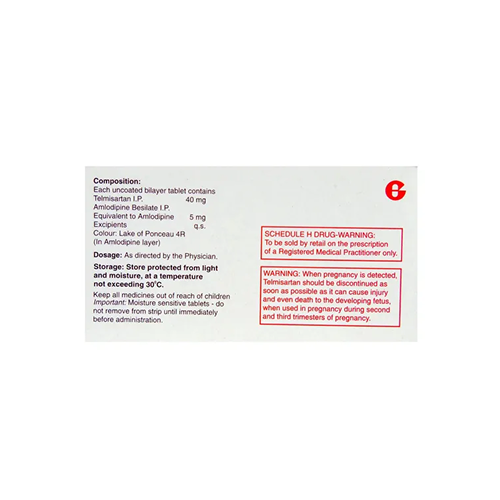
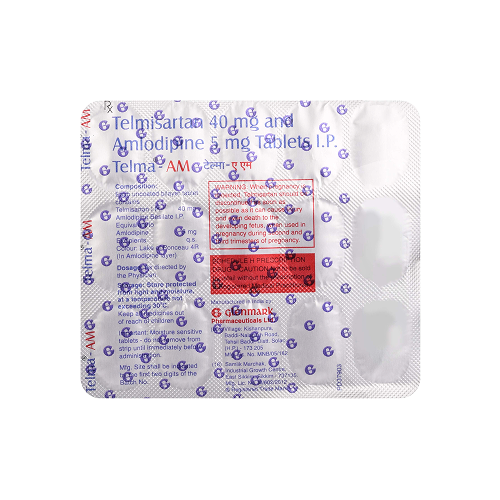
Telma-am Tablet
Telmisartan (40mg) + Amlodipine (5mg)
MRP
₹341.72
PKG
15 TABLET
Stock
831
₹341.72
₹256.98
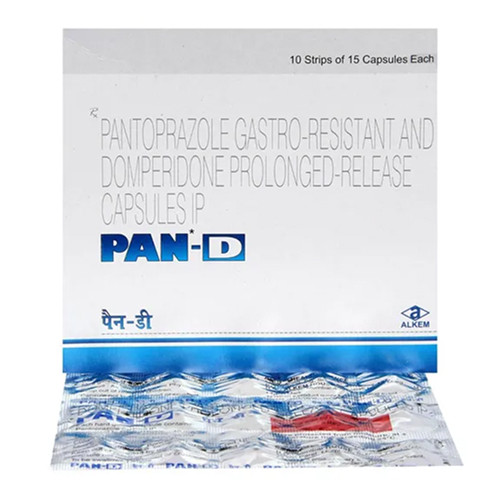
Pan D Capsule
Domperidone (30mg) + Pantoprazole (40mg)
MRP
₹261.9
PKG
15 CAPSULE
Stock
774
₹261.9
₹196.95

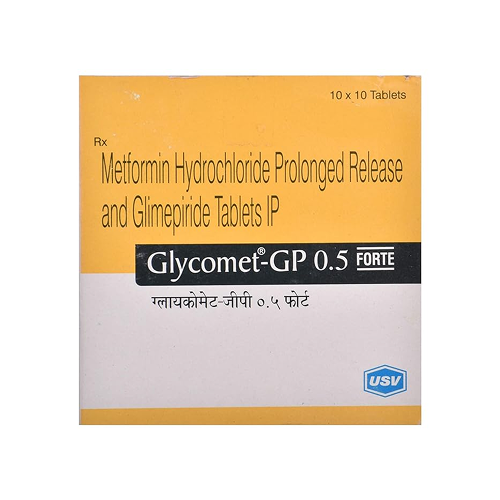
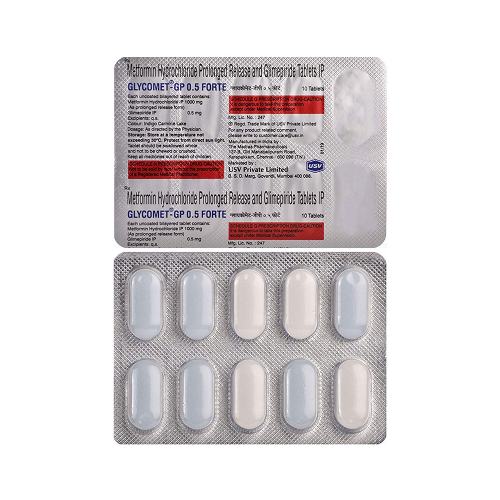
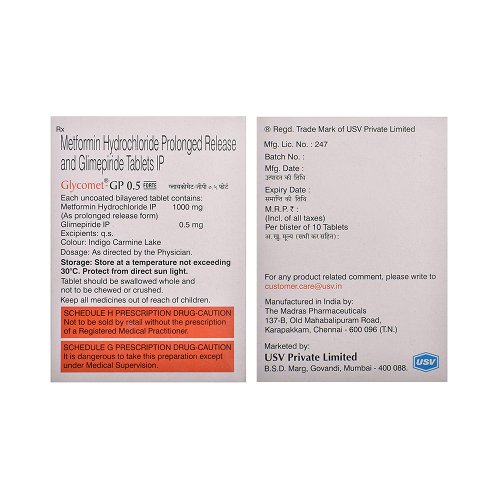
Glycomet-gp 0.5 Tablet
Glimepiride (0.5mg) + Metformin (500mg)
MRP
₹88.88
PKG
10 TABLET
Stock
634
₹88.88
₹66.84
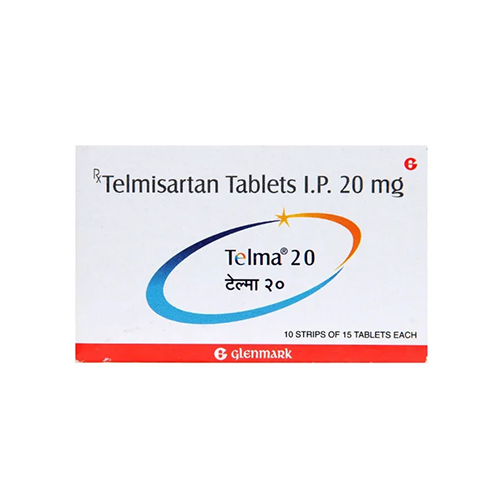
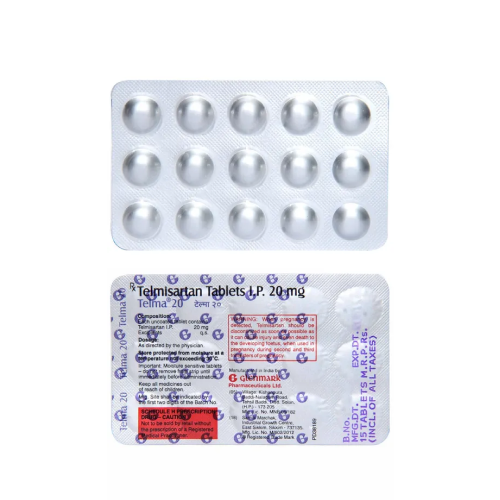
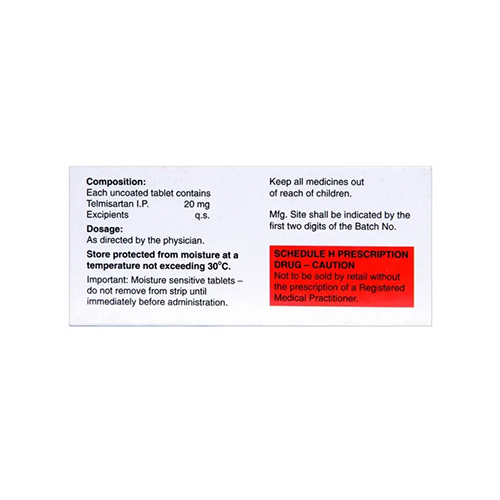

Vylda-m 500mg Tablet
Metformin undefined (500mg) + undefined Vildagliptin (50mg)
MRP
₹179.9
PKG
10 TABLETS
Stock
457
₹179.9
₹135.28
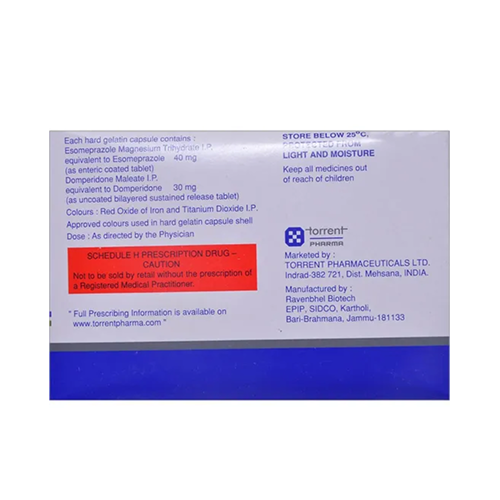
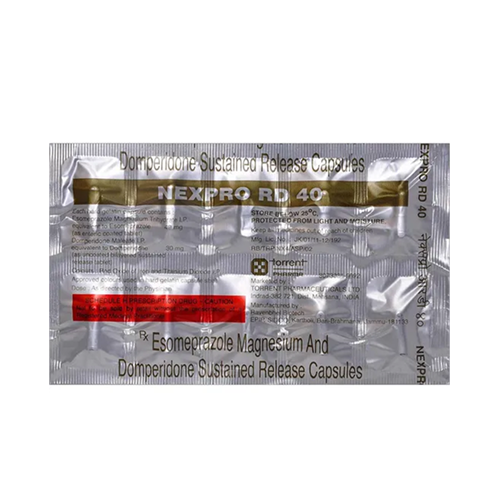
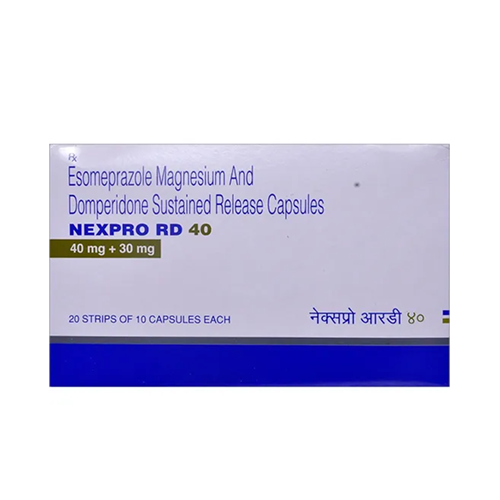
Nexpro Rd 40mg 10cap
Domperidone (30mg) + Esomeprazole (40mg)
MRP
₹191.95
PKG
10 CAPSULE
Stock
409
₹191.95
₹144.35
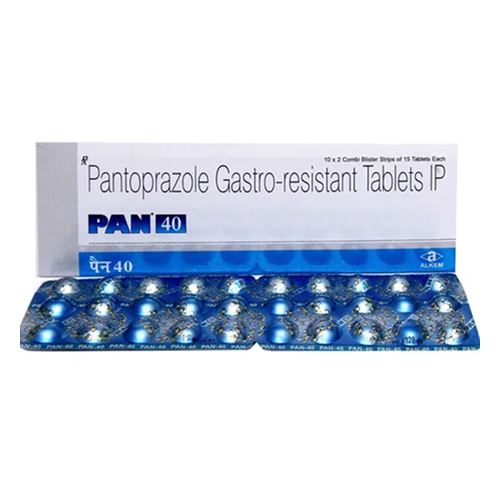
Gluconorm G 1 Tablet
Glimepiride (1mg) + Metformin (500mg)
MRP
₹255.5
PKG
15 TABLET
Stock
333
₹255.5
₹192.14
Frequently Asked Questions
What is Lantus Injection used for?
Lantus Injection 100 IU/ML VIAL 10 ML is a long-acting man-made insulin used to manage high blood sugar levels in adults and children (6 years of age and older) with type 1 diabetes, and in adults with type 2 diabetes. It helps prevent complications associated with diabetes.
How does Lantus Injection work?
Lantus contains insulin glargine, a modified form of human insulin that acts as a long-acting basal insulin. It works by replacing the insulin that your body naturally produces. This insulin helps move sugar from the blood into muscle and fat cells for energy, and also prevents the liver from producing more sugar. Lantus provides a steady, continuous supply of insulin, controlling blood sugar levels for up to 24 hours with a single daily injection.
What is the usual dosage for Lantus Injection?
The dosage of Lantus is highly individualized and determined by your doctor based on your metabolic needs, blood glucose monitoring results, and glycemic control goals. For individuals with type 1 diabetes, the starting dose is typically about one-third of their total daily insulin requirement. For adults with type 2 diabetes who are not currently on insulin, the recommended starting dosage is often 0.2 units per kilogram of body weight or 10 units once per day, with a maximum starting dose of 10 units daily. Lantus is administered as a subcutaneous injection once daily, ideally at the same time each day.
What are the possible side effects of Lantus Injection?
The most common and potentially serious side effect of Lantus, like all insulins, is hypoglycemia (low blood sugar). Symptoms of mild hypoglycemia can include hunger, irritability, shakiness, dizziness, sweating, a fast heartbeat, headache, blurred vision, and nausea, which can become severe if not treated. Other common side effects include injection site reactions (such as redness, pain, itching, or swelling), lipodystrophy (changes in skin thickness at the injection site), skin rash, itching, weight gain, upper respiratory infections, joint pain, and peripheral edema (swelling in the feet, ankles, or legs).
Is Lantus Injection safe during pregnancy or breastfeeding?
Lantus can be used during pregnancy if advised by your doctor, although close monitoring of blood sugar levels is necessary as insulin requirements may change throughout different trimesters. Published studies of insulin glargine during pregnancy have not indicated a clear association with adverse developmental outcomes. For breastfeeding mothers, Lantus is generally considered acceptable, but adjustments to insulin dose and diet may be required.
Can Lantus Injection be taken with other medications?
Lantus can interact with various medications. Certain drugs can increase the blood-sugar-lowering effect and the risk of hypoglycemia (e.g., other oral antidiabetic medications, ACE inhibitors, salicylates, and some antidepressants). Conversely, some medications can decrease the blood-sugar-lowering effect of insulin, leading to hyperglycemia (e.g., corticosteroids, diuretics, thyroid hormones, and atypical antipsychotics). Alcohol can also potentiate the blood-sugar-lowering effect of insulin. It is crucial to inform your doctor about all medications, vitamins, and herbal supplements you are taking, as dose adjustments or closer monitoring of blood glucose may be necessary. For instance, taking thiazolidinediones (TZDs) with Lantus may increase the risk of fluid retention and could worsen heart failure.
What precautions should be taken when using Lantus Injection?
Always verify the insulin label before each injection to prevent medication errors. Do not dilute Lantus or mix it with any other insulin or solution. It is important to rotate injection sites within the same chosen area (abdomen, thigh, or upper arm) to minimize the risk of skin changes like lipodystrophy or localized cutaneous amyloidosis. Never reuse or share needles, insulin pens, or syringes to avoid transmitting blood-borne pathogens. Do not inject into skin that is damaged, tender, bruised, pitted, thickened, or scarred. Monitor your blood sugar levels regularly, especially when there are changes in your insulin regimen. Avoid consuming alcohol, as it can significantly lower blood sugar.
What happens if a dose of Lantus Injection is missed?
If you miss a dose of Lantus, administer it as soon as you remember. However, if it is almost time for your next scheduled dose, skip the missed dose and continue with your regular dosing schedule. Do not take a double dose to compensate for the missed one. It is important to monitor your blood sugar levels more closely after a missed dose. If you have missed more than one dose or are unsure, consult your doctor or pharmacist.
How should Lantus Injection be stored?
Unopened Lantus vials should be stored in a refrigerator at a temperature between 36°F to 46°F (2°C to 8°C) and kept in their outer carton to protect them from light until their expiration date. Once an opened (in-use) vial, it can be stored either in the refrigerator or at room temperature (below 86°F or 30°C) for a maximum of 28 days. Do not freeze Lantus, and discard the vial if it has been frozen or exposed to excessive heat or direct sunlight.