Fungicide Tablet (10 Tab)
Ketoconazole (200mg)
Source ID: 250755
₹543.97
₹409.07
(Inclusive of all taxes)Batch
-
PKG
10 TABLETS
Expiry
-
MRP
₹543.97
Stock
5
Discount
24.8%
Description
FUNGICIDE TABLET (10 TAB) by TORRENT PHARMACEUTICALS LTD.
FUNGICIDE Tablet is an antifungal medication manufactured by Torrent Pharmaceuticals Ltd., primarily used to treat various fungal infections.
-
Name
- Brand Name: FUNGICIDE Tablet
- Common Name: Ketoconazole Tablets
-
Composition Each uncoated tablet contains Ketoconazole I.P. 200 mg. Inactive ingredients include Lactose Monohydrate, Corn Starch, Magnesium Stearate, and Talc.
-
Uses FUNGICIDE Tablet is prescribed for the treatment of various fungal infections, particularly serious systemic fungal infections when other treatments are unavailable or have been ineffective. It is effective against conditions such as candidiasis (including chronic mucocutaneous, vaginal, and oral thrush), and fungal infections affecting the skin, hair, nails, mucous membranes, lungs, and other internal organs. Specific fungal diseases it addresses include Blastomycosis, Chromomycosis, Coccidioidomycosis, Histoplasmosis, and Paracoccidioidomycosis.
-
Dosage and Administration FUNGICIDE Tablet should be taken orally, exactly as directed by a physician. The tablets should be swallowed whole, preferably with food to enhance absorption.
- Adults and Adolescents: The typical initial dose ranges from 400-600 mg per day, administered in two or three divided doses. This may be rapidly increased to 800-1200 mg per day, also in two or three divided doses, based on individual patient response and monitoring of cortisol levels. A maintenance dose usually falls between 400 mg/day and a maximum of 1200 mg/day.
- Children (over two years old): Dosage is weight-based, typically 3.3 to 6.6 mg/kg once daily. It is not recommended for children under two years of age.
- It is crucial to complete the full course of treatment, even if symptoms improve, to prevent the infection from recurring and to reduce the risk of developing resistant infections.
-
Side Effects
- Common Side Effects: Nausea, abdominal pain, vomiting, diarrhea, headache, dizziness, and skin reactions such as pruritus (itching) and rash.
- Serious Side Effects:
- Liver Problems (Hepatotoxicity): Rarely, severe liver damage can occur, which may be life-threatening. Symptoms include yellowing of the skin or eyes (jaundice), dark urine, persistent severe headache, blurred vision, severe lack of appetite, weight loss, unusual tiredness or fever, stomach pain, or muscle weakness.
- Adrenal Insufficiency: This is a common and potentially serious side effect, where the medicine may temporarily lower hormone production by the adrenal gland.
- Allergic Reactions: Severe allergic reactions are possible, manifesting as a rash, swelling of the lips, throat, or face, difficulty swallowing or breathing, dizziness, or fainting. Seek immediate medical attention if these occur.
- Heart Problems: Can cause dangerous heart rhythm problems.
-
Precautions
- Liver Monitoring: Regular monitoring of liver function through blood tests is essential during treatment. FUNGICIDE Tablet is not recommended for patients with acute or chronic liver disease or elevated pre-treatment liver enzyme levels.
- Alcohol Consumption: Alcohol should be strictly avoided during treatment due to the increased risk of liver damage and other adverse reactions.
- Drug Interactions: FUNGICIDE Tablet interacts with numerous medications, including certain CYP3A4 substrates, some antihistamines, migraine medications, cancer drugs, HIV medications, kidney disease medications, and specific antibiotics. Concomitant use with anticoagulants like warfarin requires caution due to an increased bleeding risk. Antacids should not be taken within two hours of FUNGICIDE Tablet.
- Pregnancy and Breastfeeding: Consult a doctor before use during pregnancy or breastfeeding, as there is limited safety data and the active ingredient passes into breast milk. Proper birth control measures should be used by women of childbearing potential.
- Other Conditions: Exercise caution in patients with a history of heart failure, a weakened immune system (including HIV/AIDS), adrenal insufficiency, or diabetes mellitus.
- Driving and Machinery: This medication may cause dizziness or blurred vision. Patients should avoid driving or operating machinery if they experience these effects.
- Hereditary Problems: Patients with rare hereditary problems of galactose intolerance, total lactase deficiency, or glucose-galactose malabsorption should not take this medicine.
-
Storage Store FUNGICIDE Tablet in a cool and dry place, ideally below 30°C, protected from direct sunlight, moisture, and heat. Keep it out of the reach of children and pets. Unused medicine should be discarded properly according to local guidelines and before its expiry date.
₹543.97
₹409.07
(Inclusive of all taxes)Shop by Frequently Purchased Items
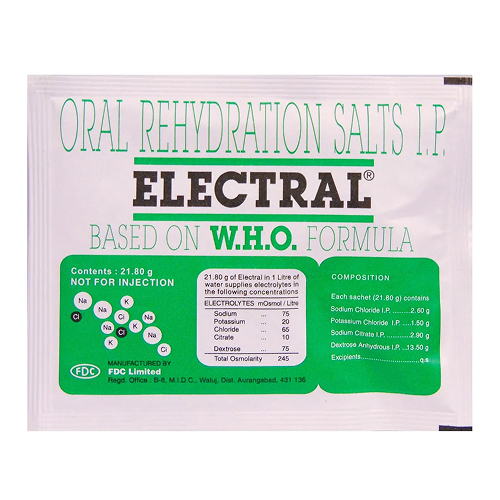
Electral 21.8gm
Dextrose-13.5gm + Potassium Chloride-1.5gm + Sodium Chloride-2.6gm + Sodium Citrate-2.9gm
MRP
₹23.2
PKG
21.8 GM
Stock
8017
₹23.2
₹17.45
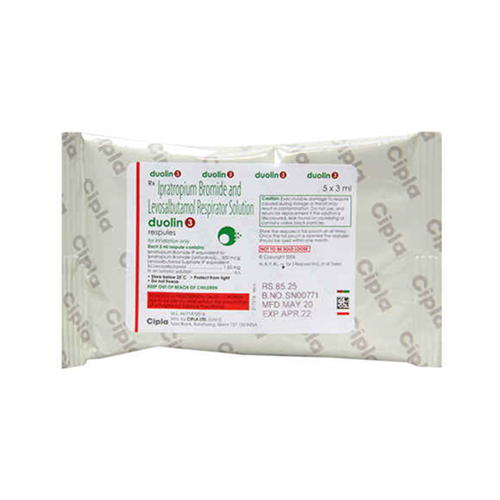
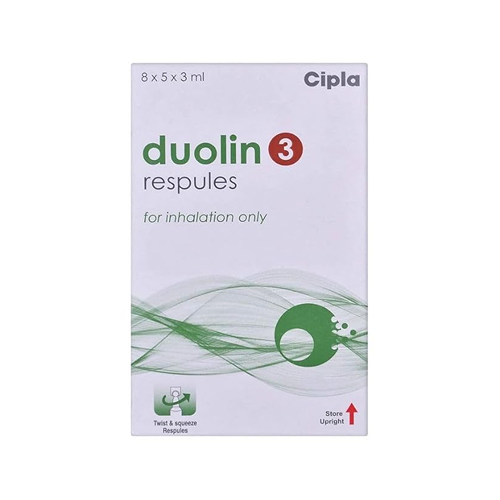
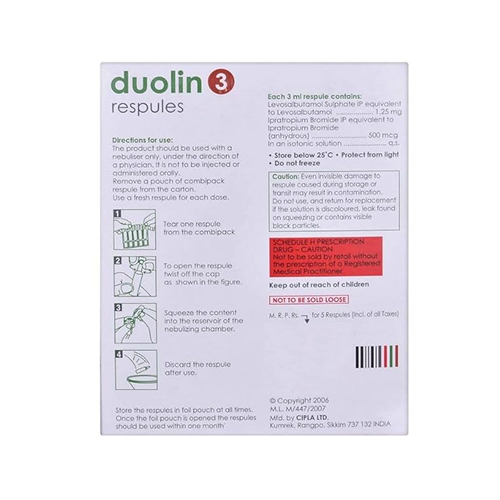
Duolin 3 Respules 3ml
Levosalbutamol (1.25mg) + Ipratropium (500mcg)
MRP
₹28.28
PKG
1 RESPULES
Stock
4332
₹28.28
₹21.27
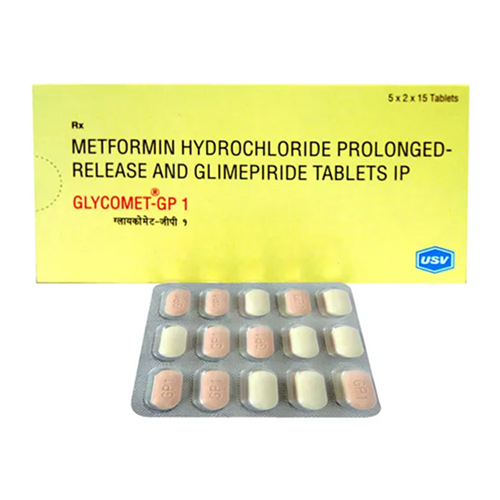
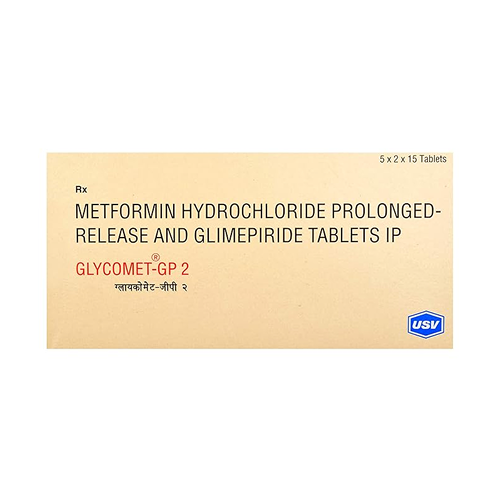
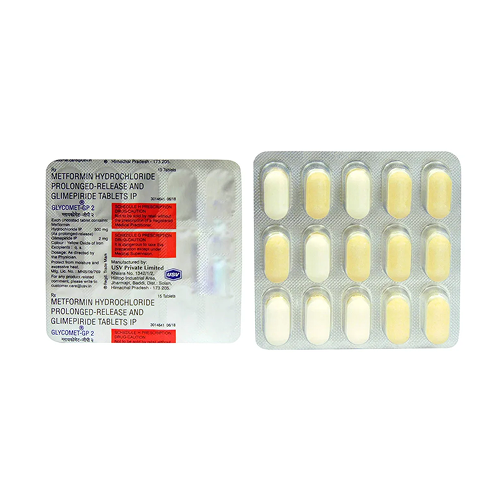
Glycomet-gp 1 Tablet
Glimepiride (1mg) + Metformin (500mg)
MRP
₹123.28
PKG
15 TABLET
Stock
2632
₹123.28
₹92.71
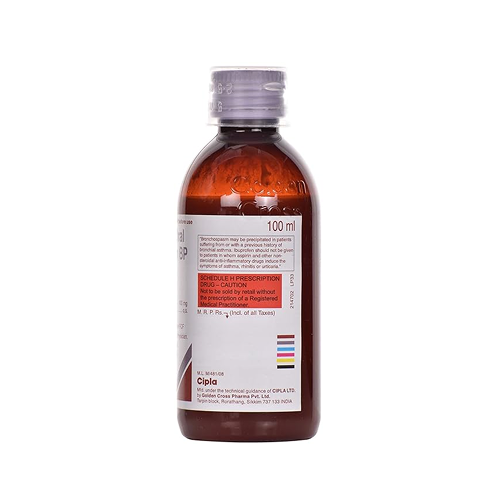
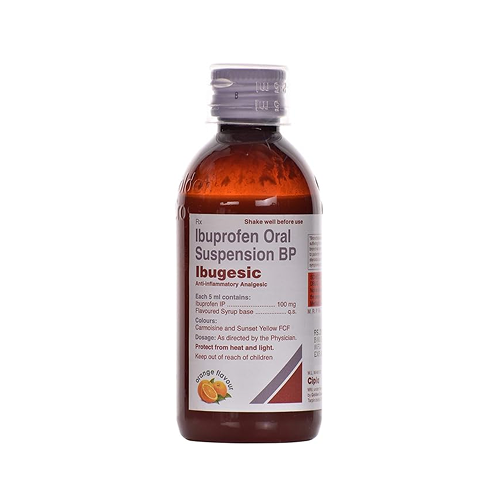
Ibugesic Plus Suspension (orange Flr)- 100 Ml
Ibuprofen-100mg + Paracetamol-162.5mg
MRP
₹62.27
PKG
100 ML
Stock
1329
₹62.27
₹46.82
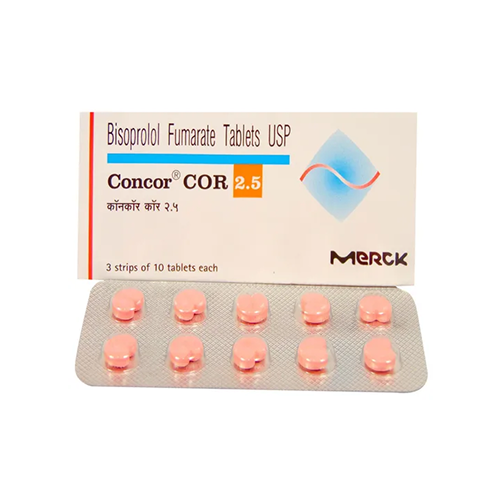
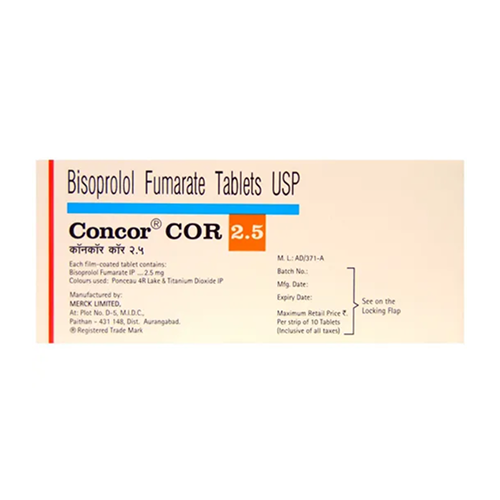
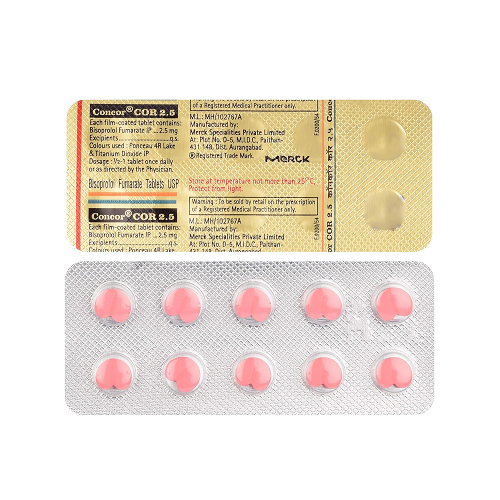
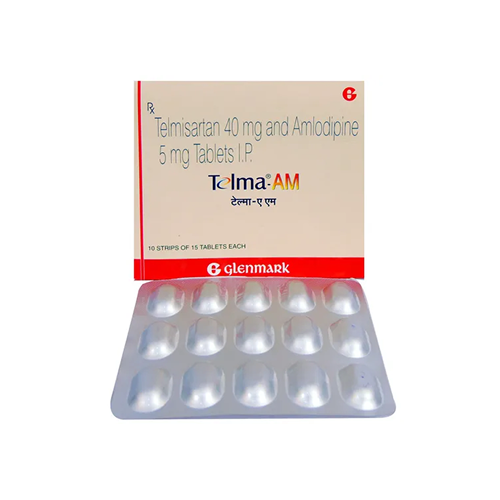
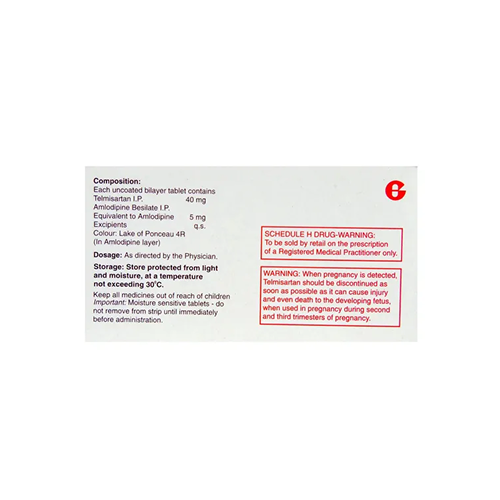
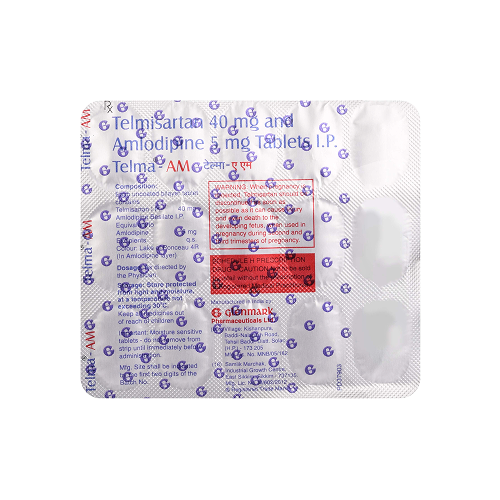
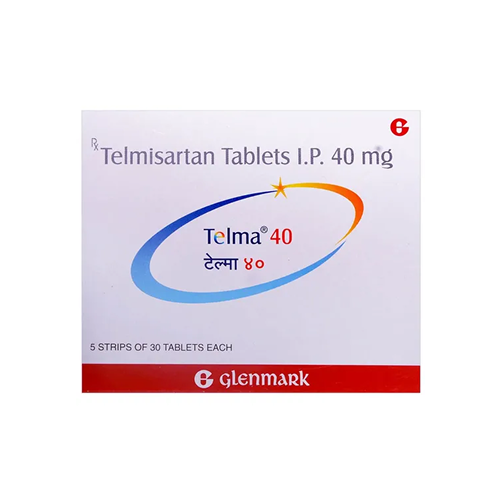
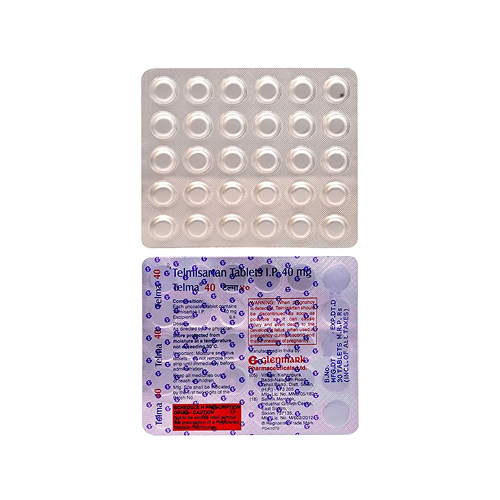
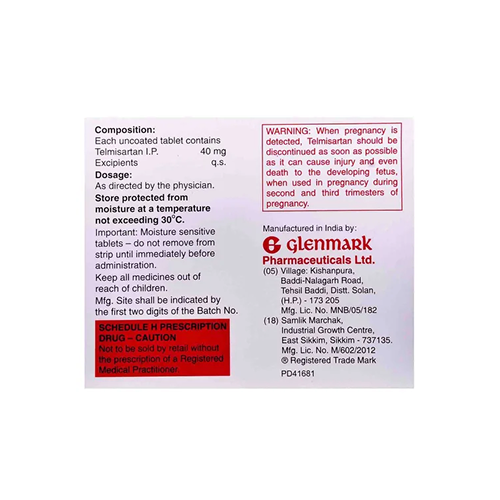
Telma-am Tablet
Telmisartan (40mg) + Amlodipine (5mg)
MRP
₹341.72
PKG
15 TABLET
Stock
831
₹341.72
₹256.98
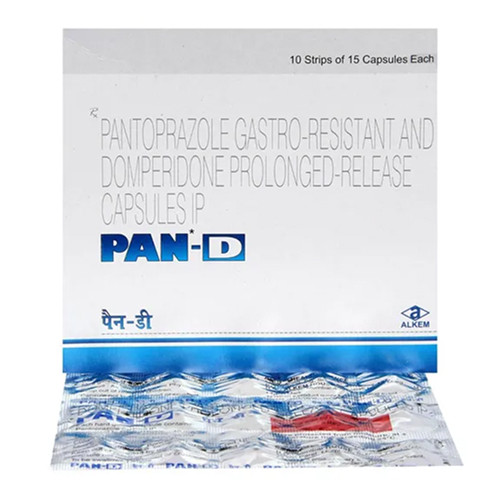
Pan D Capsule
Domperidone (30mg) + Pantoprazole (40mg)
MRP
₹261.9
PKG
15 CAPSULE
Stock
749
₹261.9
₹196.95
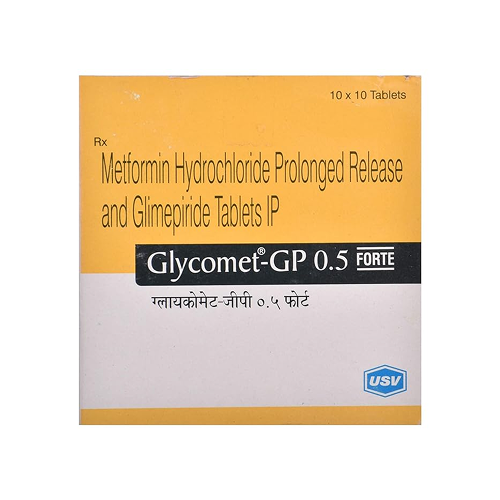
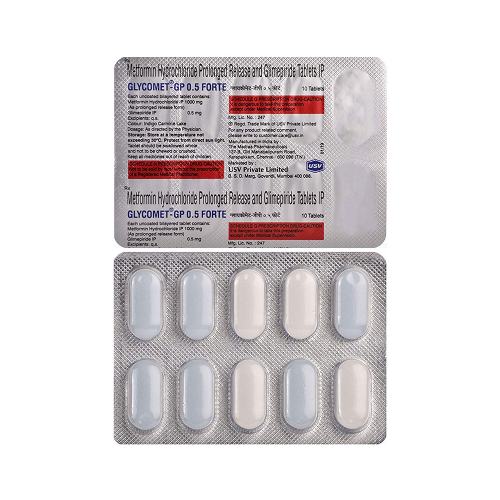
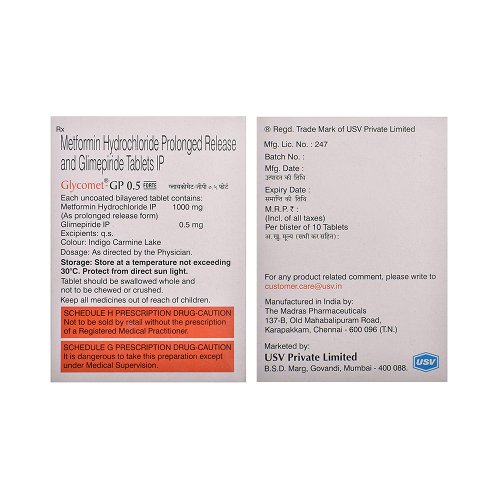
Glycomet-gp 0.5 Tablet
Glimepiride (0.5mg) + Metformin (500mg)
MRP
₹88.88
PKG
10 TABLET
Stock
629
₹88.88
₹66.84
Vylda-m 500mg Tablet
Metformin undefined (500mg) + undefined Vildagliptin (50mg)
MRP
₹179.9
PKG
10 TABLETS
Stock
456
₹179.9
₹135.28
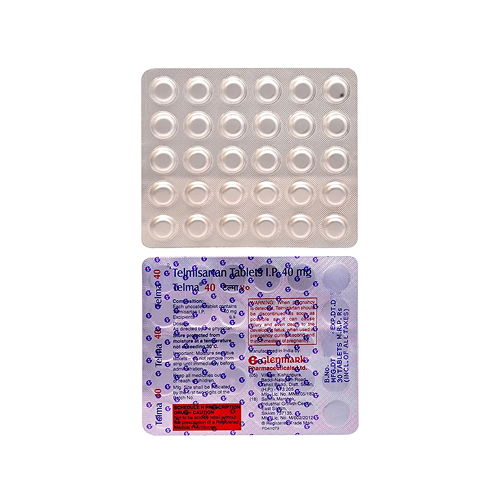
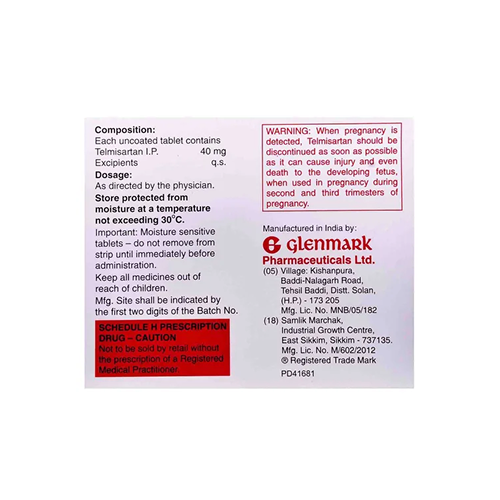
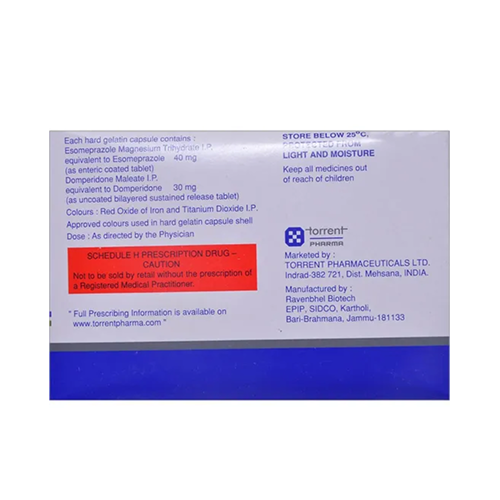
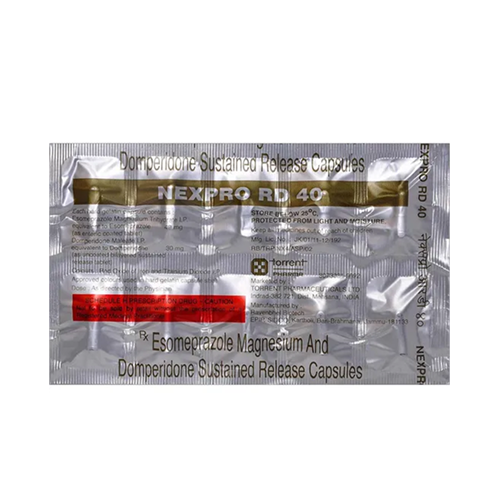
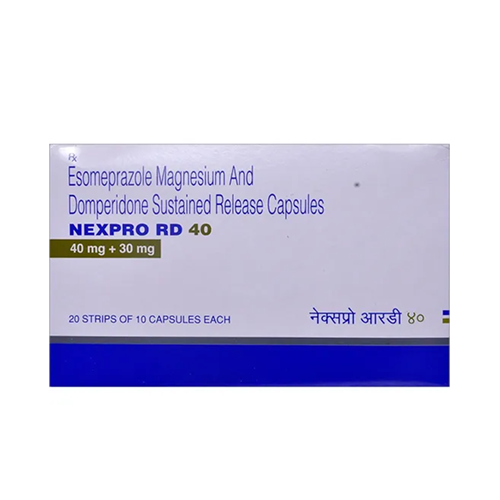
Nexpro Rd 40mg 10cap
Domperidone (30mg) + Esomeprazole (40mg)
MRP
₹191.95
PKG
10 CAPSULE
Stock
398
₹191.95
₹144.35
Gluconorm G 1 Tablet
Glimepiride (1mg) + Metformin (500mg)
MRP
₹255.5
PKG
15 TABLET
Stock
329
₹255.5
₹192.14
Frequently Asked Questions
Here are frequently asked questions about FUNGICIDE TABLET (10 TAB) by TORRENT PHARMACEUTICALS LTD., which contains Ketoconazole 200 mg as its active ingredient.
What is Fungicide Tablet used for?
Fungicide Tablet is an antifungal medication primarily used to treat serious fungal infections affecting the skin, hair, nails, and mucous membranes. It is also prescribed for systemic fungal infections in internal organs, particularly when other antifungal treatments have proven ineffective or are unavailable.
How does Fungicide Tablet work?
This medicine works by inhibiting the growth and spread of fungi. Its active ingredient, Ketoconazole, disrupts the production of ergosterol, a crucial component of fungal cell membranes, thereby leading to the death of the fungal cells. Ketoconazole also affects certain cytochrome P450 enzymes in the adrenal glands, which can impact cortisol and aldosterone synthesis.
What is the usual dosage for Fungicide Tablet?
The typical initial dose for adults with fungal infections is 200 mg once daily, which a doctor may increase up to 400 mg once daily based on the condition. For systemic fungal infections, the initial dose for adults and adolescents can range from 400-600 mg/day, taken in two or three divided doses, and may be increased to 800-1200 mg/day. The exact dosage and duration of treatment are determined by a doctor, taking into account the type and severity of the infection and the patient's response. It should be taken with food.
What are the possible side effects of Fungicide Tablet?
Common side effects include nausea, abdominal pain, headache, dizziness, itching (pruritus), vomiting, diarrhea, and abnormal liver function test results. More serious, but rare, side effects can include liver damage (hepatotoxicity), adrenal insufficiency, and prolongation of the QT interval (an electrical disturbance of the heartbeat).
Is Fungicide Tablet safe during pregnancy or breastfeeding?
Fungicide Tablet is generally not recommended during pregnancy or while breastfeeding. It may be unsafe for pregnant individuals and can pass into breast milk, potentially harming the baby. It is crucial to consult your doctor if you are pregnant, planning a pregnancy, or breastfeeding, to discuss the risks and benefits.
Can Fungicide Tablet be taken with other medications?
Fungicide Tablet can interact with many other medications, especially those metabolized by certain liver enzymes (CYP3A4). It is contraindicated or not recommended with drugs such as simvastatin, eplerenone, ergot alkaloids, quetiapine, telithromycin (in severe renal impairment), clarithromycin (in severe renal impairment), colchicine (in renal impairment), and irinotecan, due to the increased risk of severe adverse reactions. Additionally, antacids should not be taken within two hours of consuming Fungicide Tablet as they can interfere with its absorption. Always inform your doctor about all medications, supplements, and herbal preparations you are taking.
What precautions should be taken while using Fungicide Tablet?
Close monitoring of liver function is essential during treatment due to the risk of liver damage. Alcohol consumption should be strictly avoided. Use with caution if you have acute or chronic liver disease, heart conditions (due to potential QT interval prolongation), or adrenal insufficiency. Patients with rare hereditary conditions like galactose intolerance, total lactase deficiency, or glucose-galactose malabsorption should not take this medicine. If you experience dizziness or blurred vision, avoid driving or operating machinery. It is important to complete the entire prescribed course of treatment, even if symptoms improve, to prevent the infection from returning or becoming resistant.
What happens if a dose of Fungicide Tablet is missed?
If you miss a dose of Fungicide Tablet, take it as soon as you remember. However, if it is almost time for your next scheduled dose, skip the missed dose and continue with your regular dosing schedule. Do not take a double dose to compensate for the missed one.
How should Fungicide Tablet be stored?
Fungicide Tablet should be stored in a cool and dry place, ideally below 30°C. Keep it protected from direct sunlight, moisture, and heat. Ensure it is stored out of the reach of children and pets. Any unused medicine should be discarded properly and not flushed down the toilet or thrown into drains.