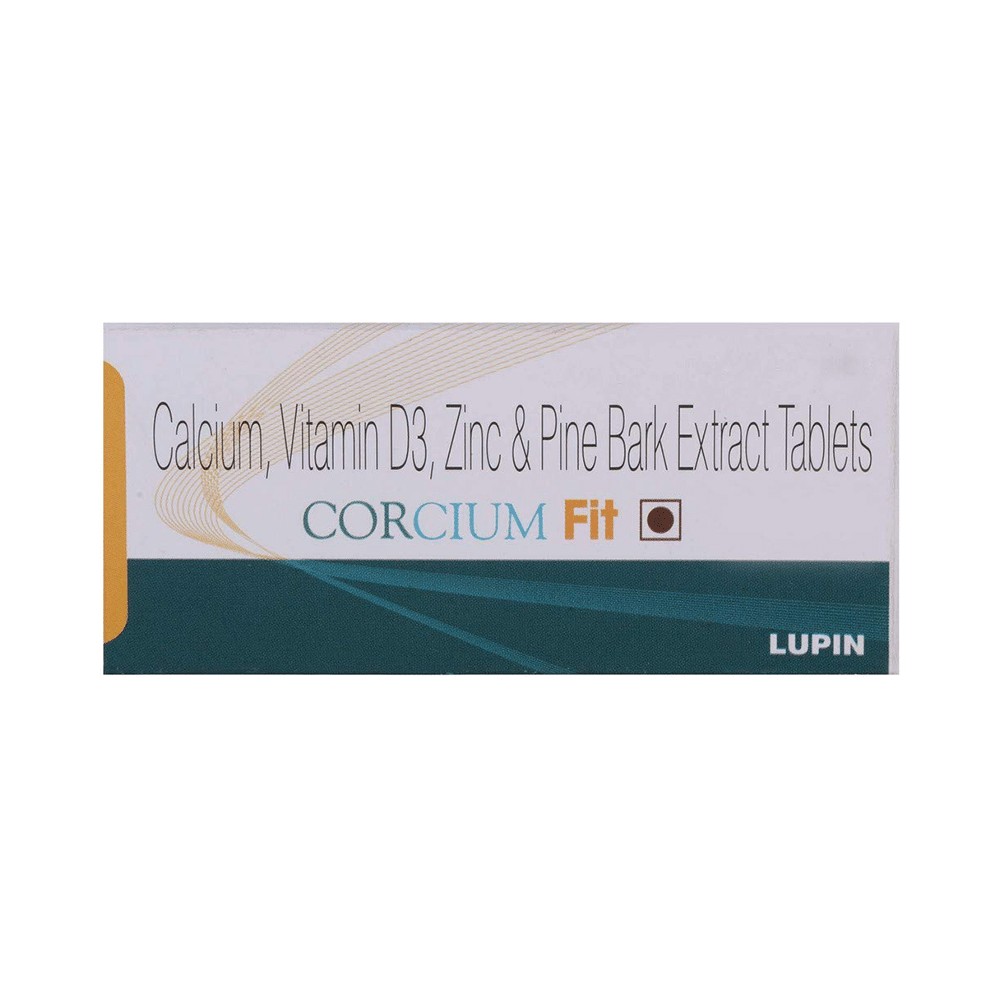
Images are for product identification. Refer to the selected batch for packaging and availability.
Coralium D3 10 Tablets
Drug Formula unavailable
YOUR PURCHASE PRICE
22 in stockInclusive of all taxes
Available batch
1 offerSign in to order for your pharmacy.
Product information
- Manufacturer
- Zuventus Healthcare Ltd.
- Category
- Allopathy
- Composition
- Not provided
- Packaging
- 10 TABLET
- Box / case pack
- 1 / —
Description
CORALIUM D3 10 TABLETS
CORALIUM D3 10 TABLETS is a dietary supplement manufactured by Zuventus Healthcare Ltd., primarily used to address deficiencies in calcium and Vitamin D3. It plays a crucial role in maintaining bone health and various metabolic functions within the body.
Composition
- Active Ingredients: Each film-coated tablet contains Calcium Carbonate (sourced from coral grains), equivalent to 500 mg of Elemental Calcium, and Vitamin D3 IP 500 IU (as Stabilized Granules).
- Other Ingredients: Excipients and colorants (Tartrazine Yellow & Titanium Dioxide IP) are also present.
Uses
CORALIUM D3 is prescribed for the prevention and treatment of several medical conditions:
- Calcium and Vitamin D Deficiency: It helps manage and prevent low levels of calcium and Vitamin D in the body.
- Bone Health: It is used in the management of bone weakness conditions such as osteoporosis (weak and brittle bones), osteomalacia (softening of bones), and rickets (bone deformities in children).
- Parathyroid Function: Supports parathyroid function in conditions like hypoparathyroidism, where calcium regulation is impaired.
- Muscle Health: Aids in preventing latent tetany, a muscle disorder caused by low calcium levels.
- Specific Populations: Recommended as a supplement for the elderly, pregnant, and breastfeeding individuals who require additional calcium and vitamin D, under medical supervision.
Dosage and Administration
The recommended dosage for adults and the elderly is typically one tablet per day, or as directed by a physician. It is advised to take the tablet with a full glass of water, preferably with meals, to ensure better absorption. Do not exceed the prescribed dosage.
Side Effects
While generally safe, CORALIUM D3 may cause some side effects:
- Common: Constipation, flatulence (wind), nausea, abdominal pain, diarrhea, itching, rash, and urticaria (hives).
- Uncommon/Serious: Significantly increased blood calcium levels (hypercalcaemia) with symptoms like lack of appetite, vomiting, extreme thirst, muscle weakness, drowsiness, and confusion; or markedly increased calcium in urine (hypercalciuria). Allergic reactions (itching, wheezing, swelling of tongue or throat) are also possible. Overdose can lead to severe issues, including cardiac arrhythmias and, in extreme cases, coma and death.
Precautions
- Allergies: Do not take if allergic to any components of CORALIUM D3.
- Pre-existing Conditions: Inform your doctor if you have kidney disease or impaired kidney function, sarcoidosis, are prone to kidney stones, have high calcium levels in blood or urine, or are an immobilized patient with osteoporosis.
- Pregnancy and Breastfeeding: Can be used during pregnancy and breastfeeding, but only as recommended by a doctor, with strict adherence to daily intake limits (not exceeding 1500 mg calcium and 600 IU Vitamin D).
- Drug Interactions:
- Calcium can reduce the absorption of certain medications like tetracycline and fluoride preparations; a minimum 3-hour gap is recommended.
- Thiazide diuretics may reduce calcium excretion, potentially leading to hypercalcaemia.
- Phenytoin, barbiturates, and glucocorticoids may affect Vitamin D3 metabolism.
- Foods rich in oxalic acid (spinach, rhubarb) or phytic acid (whole cereals) may inhibit calcium absorption and should not be consumed within two hours of taking the tablet.
Storage
Store CORALIUM D3 tablets in a cool and dry place, protected from direct sunlight and moisture, at a temperature not exceeding 30°C (below 25°C is also cited). Keep the blister in the outer carton to protect from light. Keep out of the reach and sight of children and pets.
Frequently asked questions
What is Coralium D3 used for?
Coralium D3 tablets are primarily used for the prevention and treatment of calcium and Vitamin D3 deficiency. They are also prescribed to manage conditions such as osteoporosis (weak and brittle bones), osteomalacia (softening of bones, often called rickets in children), hypoparathyroidism (underactive parathyroid glands leading to low calcium), and latent tetany (muscle spasms due to low calcium). Additionally, it serves as a supplement during periods of increased need, like growth, pregnancy, lactation, and for elderly patients.
How does Coralium D3 work?
Coralium D3 contains Calcium, often sourced from coral, and Cholecalciferol (Vitamin D3). Calcium is a crucial mineral required for healthy bone formation and maintenance, proper muscle contraction, nerve function, and various cellular processes. Vitamin D3 plays a vital role in increasing the absorption of calcium and phosphorus from the intestines, thereby helping to maintain the body's calcium balance and supporting bone mineralization.
What is the usual dosage of Coralium D3?
For adults and the elderly, the recommended dose is typically one tablet per day, or as directed by a doctor. It is advisable to take the tablet within one and a half hours of a meal with a glass of water or juice, without chewing it. The tablet can be broken in half if needed. Coralium D3 is generally not intended for use in children and adolescents under 18 years, unless specifically advised by a healthcare professional.
What are the possible side effects of Coralium D3?
While generally well-tolerated, Coralium D3 can cause some side effects. Uncommon side effects include significantly increased blood calcium levels (hypercalcaemia), which may manifest as nausea, vomiting, loss of appetite, constipation, stomach ache, bone pain, extreme thirst, frequent urination, muscle weakness, drowsiness, and confusion. Increased calcium content in the urine (hypercalciuria) can also occur. Rare side effects include constipation, flatulence, nausea, abdominal pain, diarrhea, itching, rash, and hives. In very rare cases, indigestion or Milk alkali syndrome (usually associated with overdose) may be observed. Allergic reactions, such as itching, wheezing, rash, and swelling of the tongue or throat, are also possible.
Is Coralium D3 safe during pregnancy or breastfeeding?
Coralium D3 can be used during pregnancy and breastfeeding, but only under the guidance and recommendation of a doctor. During pregnancy, the total daily intake of calcium should not exceed 1500 mg and Vitamin D should not exceed 600 IU (International Units) to avoid overdose, which could have adverse effects on the developing fetus. Both calcium and Vitamin D pass into breast milk, so this should be considered if the breastfeeding infant is also receiving other Vitamin D supplements.
Can Coralium D3 be taken with other medications?
Coralium D3 can interact with various medications. It may reduce the absorption of certain antibiotics (tetracyclines and quinolones), bisphosphonates (used for osteoporosis), sodium fluoride, estramustin, thyroid hormones, and medicines containing iron, zinc, or strontium. These should generally be taken several hours apart from Coralium D3. Certain medications like ion exchange resins (e.g., cholestyramine), laxatives (e.g., paraffin oil), and systemic corticosteroids can reduce the absorption of Vitamin D. Conversely, thiazide diuretics can increase the risk of high blood calcium levels (hypercalcaemia) when taken with Coralium D3, requiring careful monitoring. Rifampicin, phenytoin, and barbiturates can reduce the effectiveness of Vitamin D3. It is important to inform your doctor about all medications and supplements you are taking to avoid potential interactions.
What precautions should be taken when taking Coralium D3?
Inform your doctor if you have kidney disease, impaired kidney function, sarcoidosis, a history of kidney stones, or are an immobilized patient with osteoporosis. Coralium D3 is not recommended if you have pre-existing high calcium levels in your blood (hypercalcaemia) or urine (hypercalciuria), high vitamin D levels (hypervitaminosis D), or malabsorption syndrome. Avoid consuming foods rich in oxalic acid (e.g., spinach, sorrel, rhubarb), phosphate, and phytic acid (e.g., whole cereals) within two hours of taking Coralium D3, as they can inhibit calcium absorption. Limiting alcohol intake is also advised.
What happens if a dose of Coralium D3 is missed?
If you miss a dose of Coralium D3, take it as soon as you remember. However, if it is almost time for your next scheduled dose, skip the missed dose and continue with your regular dosing schedule. Do not take a double dose to make up for a missed one, as this increases the risk of overdose.
How should Coralium D3 be stored?
Coralium D3 tablets should be stored in a cool and dry place at a temperature not exceeding 30°C. Keep the blister pack in the outer carton to protect the medicine from light. Always keep this medicine out of the reach and sight of children. Do not use Coralium D3 after the expiry date printed on the carton.