Fidonal Cream 30 Gm
Lidocaine (1.5% W/w) + Nifedipine (0.3% W/w)
Source ID: 243087
Description
Fidonal Cream 30 GM, manufactured by Abbott India Limited, is a topical medication primarily used for the management of anal fissures.
-
Name: Fidonal Cream
-
Composition: It contains a combination of Lidocaine/Lignocaine (1.5% w/w) and Nifedipine (0.3% w/w). Lidocaine acts as a local anesthetic, blocking pain signals, while Nifedipine, a calcium channel blocker, relaxes smooth muscles and improves blood flow to promote healing.
-
Uses: Fidonal Cream is prescribed to relieve pain, irritation, itching, swelling, and discomfort associated with anal fissures (small tears in the lining of the anus). It also helps in relaxing anal sphincter spasms and can be used for painful hemorrhoids.
-
Dosage and Administration: The cream should be applied to the affected area, typically inside the rectum, using the provided applicator. Before application, clean the area gently with mild soap and water and pat dry. It is important to use the cream regularly at the same time each day, as directed by a healthcare professional. Avoid contact with eyes, nose, or mouth.
-
Side Effects: Common side effects may include a burning sensation, itching, redness, irritation, and swelling at the application site. If severe side effects such as rectal bleeding or worsening of an infection occur, immediate medical attention should be sought.
-
Precautions: Inform your doctor if you have hypersensitivity to any of the ingredients, broken skin, infection in the application area, heart disease, liver disease, or certain blood disorders. Use with caution during pregnancy and breastfeeding, and it is not recommended for children and adolescents below 18 years of age.
-
Storage: Fidonal Cream should be stored below 25°C or 30°C. Keep it out of sight and reach of children and do not freeze.
Shop by Frequently Purchased Items

Electral 21.8gm
Dextrose-13.5gm + Potassium Chloride-1.5gm + Sodium Chloride-2.6gm + Sodium Citrate-2.9gm
MRP
₹23.2
PKG
21.8 GM
Stock
8299
₹23.2
₹17.45
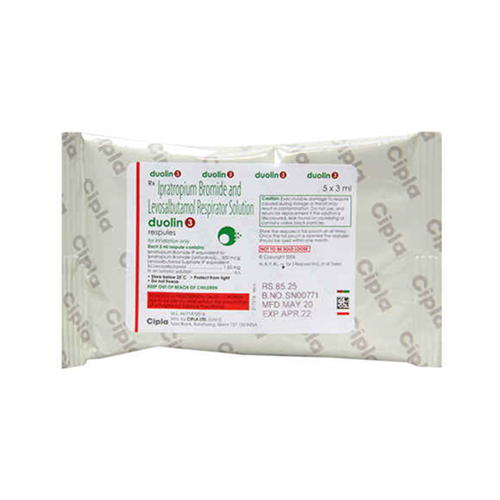
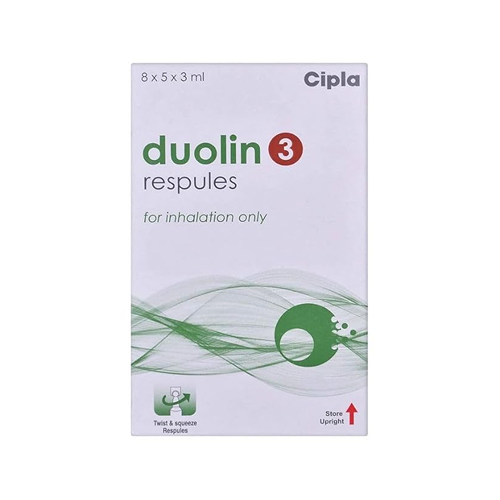
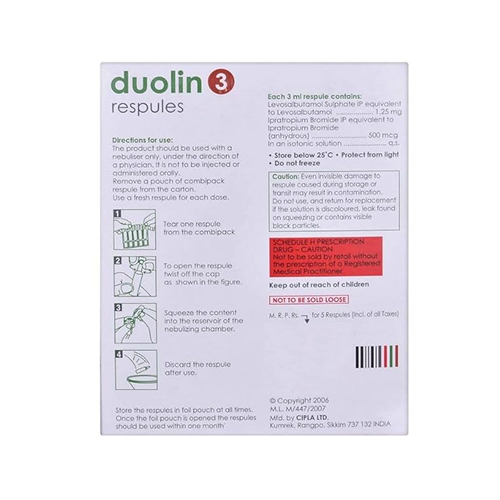
Duolin 3 Respules 3ml
Levosalbutamol (1.25mg) + Ipratropium (500mcg)
MRP
₹28.28
PKG
1 RESPULES
Stock
4642
₹28.28
₹21.27
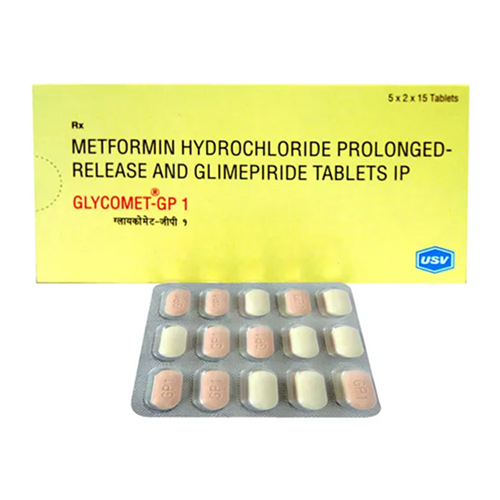
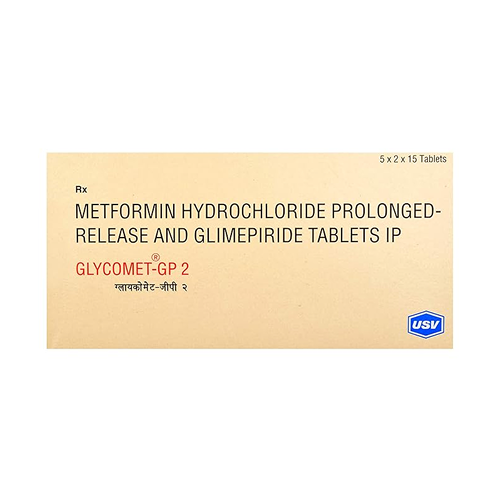
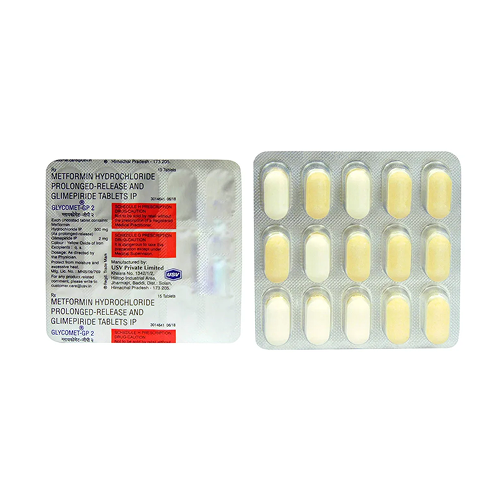
Glycomet-gp 1 Tablet
Glimepiride (1mg) + Metformin (500mg)
MRP
₹123.28
PKG
15 TABLET
Stock
2710
₹123.28
₹92.71

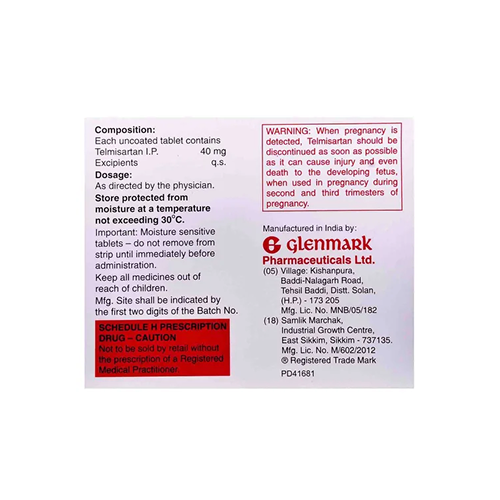
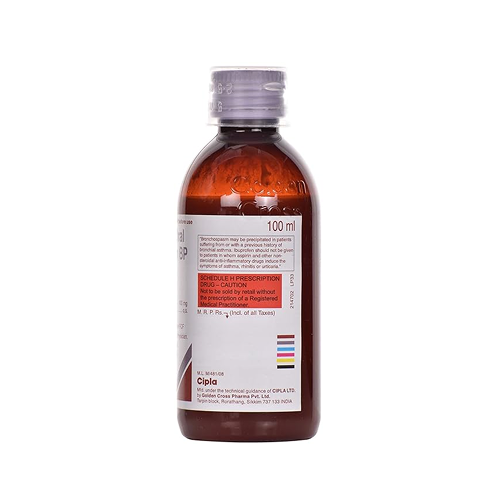
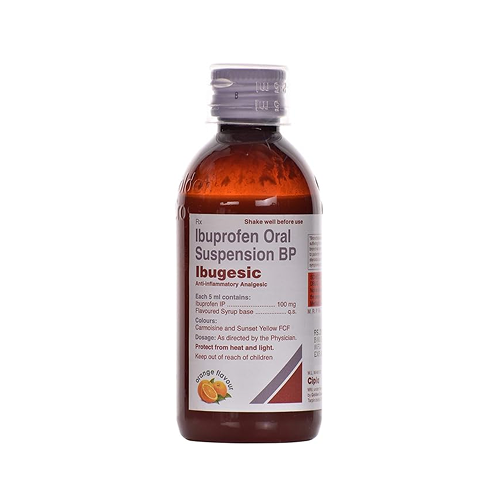
Ibugesic Plus Suspension (orange Flr)- 100 Ml
Ibuprofen-100mg + Paracetamol-162.5mg
MRP
₹62.27
PKG
100 ML
Stock
1484
₹62.27
₹46.82
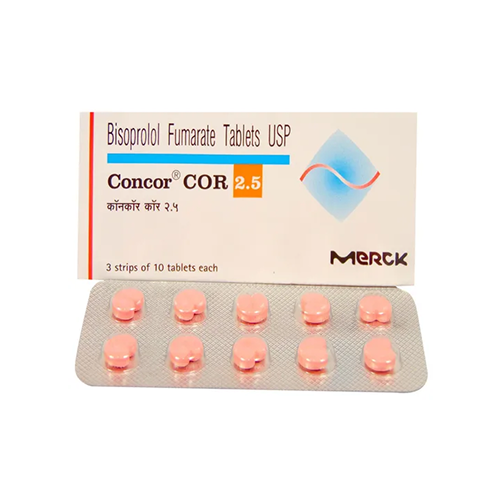
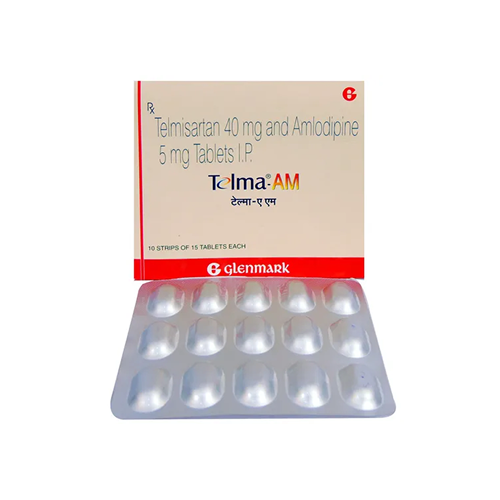
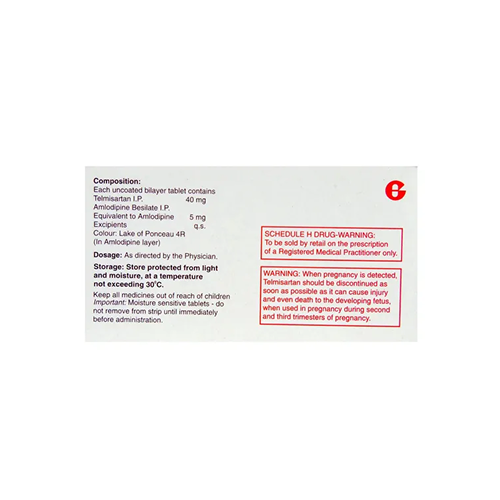
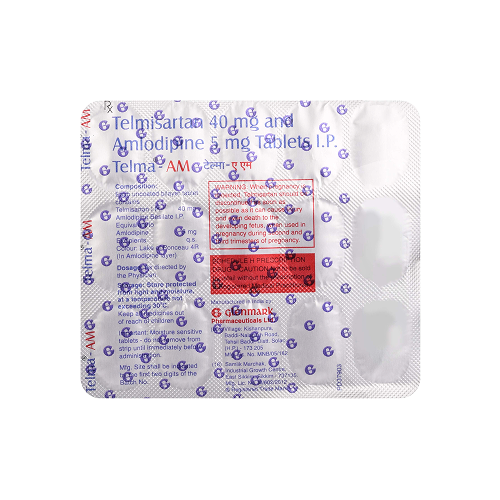
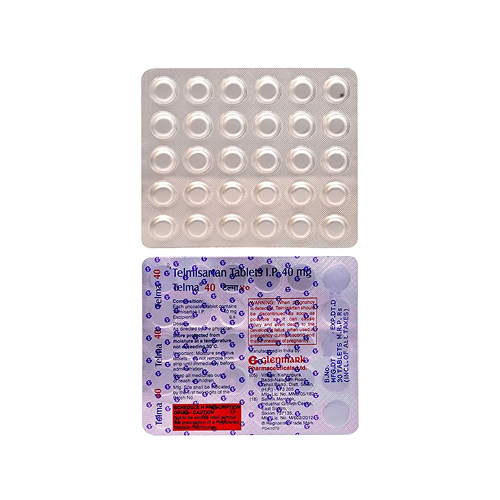
Telma-am Tablet
Telmisartan (40mg) + Amlodipine (5mg)
MRP
₹341.72
PKG
15 TABLET
Stock
831
₹341.72
₹256.98
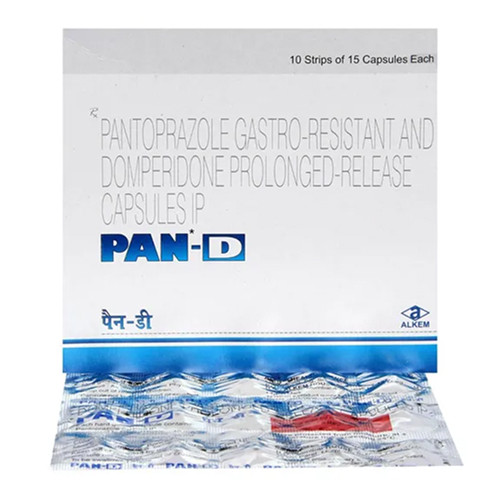
Pan D Capsule
Domperidone (30mg) + Pantoprazole (40mg)
MRP
₹261.9
PKG
15 CAPSULE
Stock
807
₹261.9
₹196.95

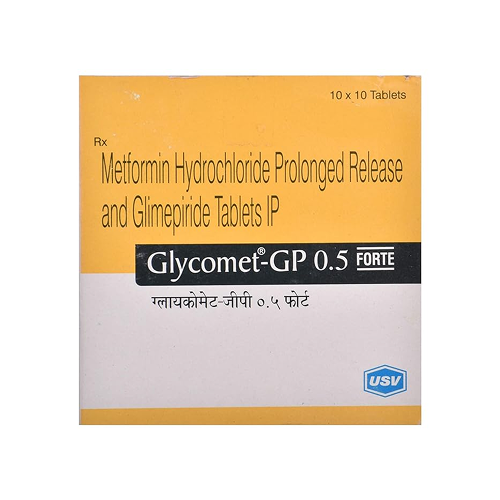
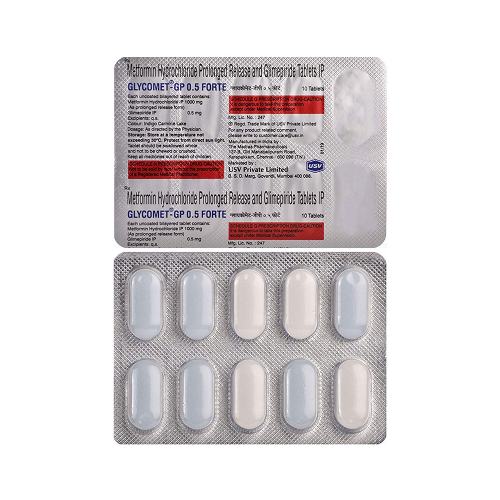
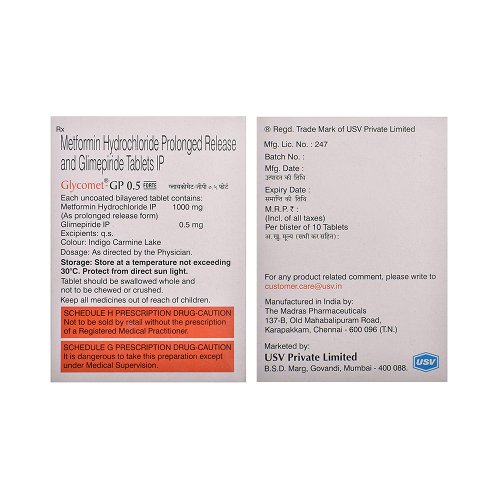
Glycomet-gp 0.5 Tablet
Glimepiride (0.5mg) + Metformin (500mg)
MRP
₹88.88
PKG
10 TABLET
Stock
666
₹88.88
₹66.84

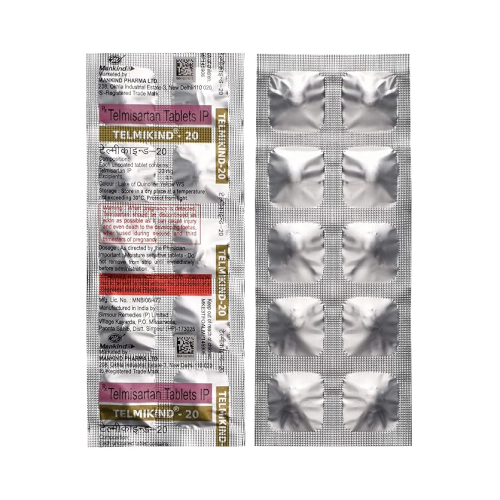
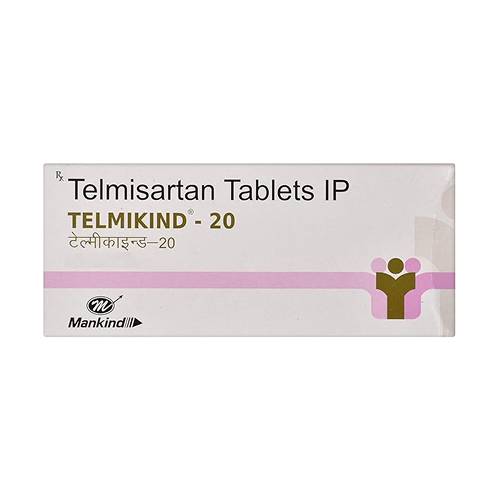
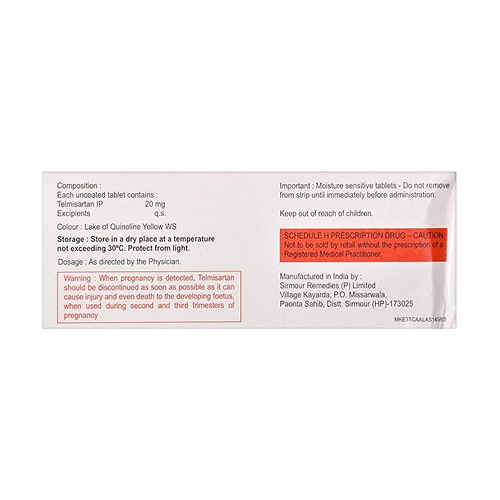
Vylda-m 500mg Tablet
Metformin undefined (500mg) + undefined Vildagliptin (50mg)
MRP
₹179.9
PKG
10 TABLETS
Stock
467
₹179.9
₹135.28

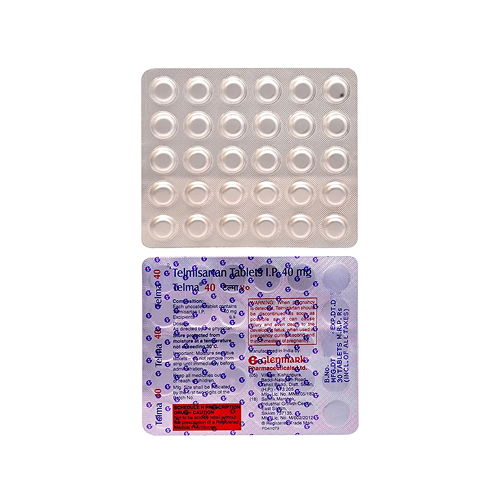
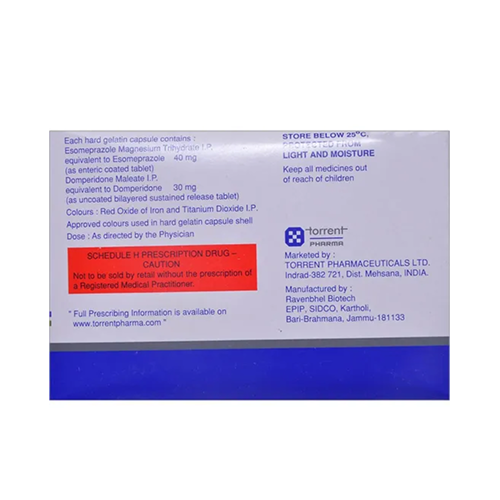
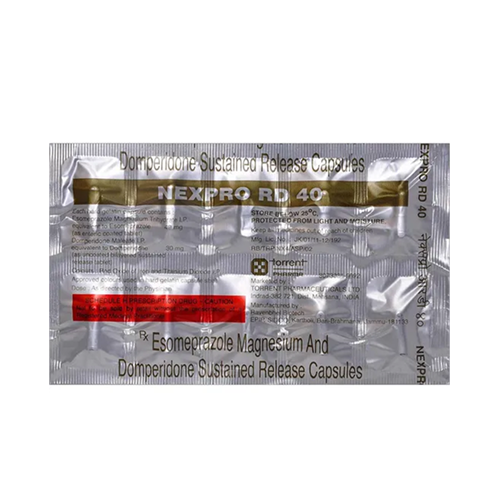
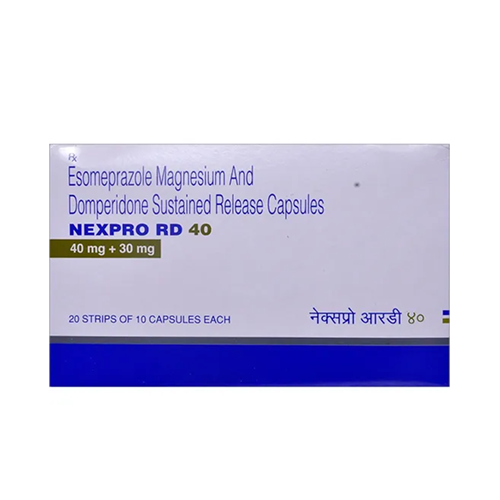
Nexpro Rd 40mg 10cap
Domperidone (30mg) + Esomeprazole (40mg)
MRP
₹191.95
PKG
10 CAPSULE
Stock
443
₹191.95
₹144.35
Gluconorm G 1 Tablet
Glimepiride (1mg) + Metformin (500mg)
MRP
₹255.5
PKG
15 TABLET
Stock
341
₹255.5
₹192.14
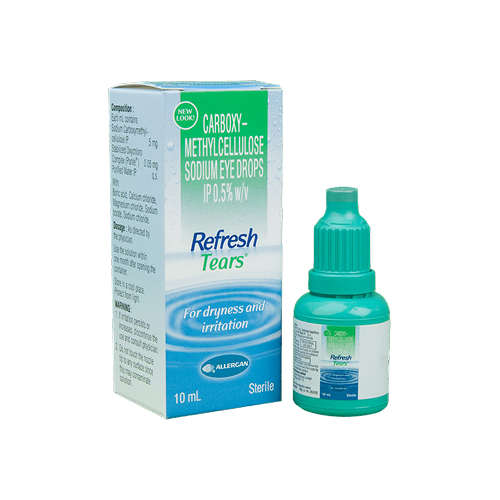
Refresh Tears Eye Drop 10 Ml
Carboxymethylcellulose (0.5% W/v)
MRP
₹131.27
PKG
10 ML
Stock
322
₹131.27
₹106.38
Frequently Asked Questions
What is Fidonal Cream used for?
Fidonal Cream is primarily used to treat anal fissures, which are small tears in the lining of the anus. It helps alleviate associated symptoms such as pain, swelling, itching, and discomfort, including those experienced during bowel movements. It can also be used for painful hemorrhoids and anal sphincter spasms.
How does Fidonal Cream work?
Fidonal Cream contains two active ingredients: Lidocaine and Nifedipine. Lidocaine is a local anesthetic that works by blocking pain signals from the nerves to the brain, thereby reducing pain and discomfort. Nifedipine is a calcium channel blocker that relaxes the smooth muscles around the anus and improves blood flow to the affected area, which helps in the healing process of anal fissures and reduces anal canal pressure.
What is the usual dosage and how should it be applied?
Fidonal Cream is for rectal use only. Before application, clean and dry the affected area thoroughly. It should be applied inside the rectum using the provided single-use rectal applicator. Gently insert the applicator tip, typically about 1/2 to 1 inch, into the anus and squeeze the tube to deliver the medication. A small amount can also be applied to the anal opening. It's usually recommended to use it regularly at the same time each day, as directed by your doctor. Discard the applicator after each use. Always wash your hands before and after application.
What are the possible side effects of Fidonal Cream?
Fidonal Cream is generally well-tolerated. Common side effects may include slight anal irritation, burning, itching, redness, or swelling at the application site. These are usually temporary and resolve on their own. If irritation persists, worsens, or if you experience severe side effects such as rectal bleeding or increased skin redness, seek immediate medical attention.
Is Fidonal Cream safe during pregnancy or breastfeeding?
Caution is advised when using Fidonal Cream during pregnancy, especially in the first trimester. It may be unsafe to use during pregnancy, and animal studies have shown potential harmful effects on the developing baby. Similarly, it should be used with caution during breastfeeding, as it is probably unsafe. Always consult your doctor to discuss the potential benefits and risks before using this medicine if you are pregnant or breastfeeding.
Can Fidonal Cream be taken with other medications?
Since Fidonal Cream is applied externally, it is less likely to have significant interactions with other medicines. However, you should always inform your doctor about all medications you are currently taking, especially medicines used to lower blood pressure (e.g., propranolol), manage stomach acidity (e.g., cimetidine), or treat heart problems (e.g., digoxin). Avoid applying any other topical medicines to the affected area simultaneously with Fidonal Cream.
What precautions should be taken while using Fidonal Cream?
Before using Fidonal Cream, inform your doctor if you have any allergies to its components or existing medical conditions such as broken skin or infection in the application area, heart disease, liver disease, kidney issues, diabetes, or certain blood disorders. Do not apply the cream to broken or open skin. Avoid using more often or in larger amounts than prescribed. It is crucial to avoid contact with eyes, nose, or mouth. If accidental exposure occurs, rinse the area with water and seek immediate medical attention. It is also recommended to wash your hands thoroughly before and after applying the cream, and wearing gloves during application can reduce the possibility of side effects.
What happens if a dose of Fidonal Cream is missed?
If you forget to apply Fidonal Cream, do so as soon as you remember. However, if it is almost time for your next scheduled application, skip the missed dose and continue with your regular dosing schedule. Do not apply a double amount to make up for a missed dose, as this can increase the risk of side effects.
How should Fidonal Cream be stored?
Fidonal Cream should be stored below 30°C (some sources specify below 25°C). Keep it out of the sight and reach of children. Do not freeze the cream, and store it away from heat and direct sunlight.