Farobact 300 Er Tab
Not Available
Source ID: 252660
₹1439.37
₹1082.40
(Inclusive of all taxes)Batch
-
PKG
10 TABLET
Expiry
-
MRP
₹1439.37
Stock
5
Discount
24.8%
Description
FAROBACT 300 ER TAB
Name
- Brand Name: Farobact 300 ER Tablet
- Common Name (Active Ingredient): Faropenem
- Manufacturer: CIPLA HEALTH LIMITED
Composition
Farobact 300 ER Tablet contains Faropenem (300 mg) as its active ingredient. It is a broad-spectrum antibiotic belonging to the carbapenem class, which works by inhibiting the formation of the bacterial cell wall, essential for bacterial survival.
Uses
Farobact 300 ER Tablet is prescribed for the treatment of various bacterial infections, including:
- Urinary tract infections (UTIs)
- Respiratory tract infections (e.g., pneumonia, bronchitis, tonsillitis, pharyngitis)
- Skin and soft tissue infections
- Ear, nose, and throat infections
- Gynaecological infections
- Intra-abdominal infections It is often used for severe bacterial infections or those that have not responded to other antibiotics.
Dosage and Administration
The typical recommended dosage is one 300 mg tablet twice daily. However, the exact dosage and duration of treatment should be determined by a doctor based on the severity of the infection and the patient's response. The tablet should be swallowed whole with a glass of water, without crushing, chewing, or breaking it. It can be taken with or without food. It is crucial to complete the entire prescribed course of treatment, even if symptoms improve, to prevent the infection from returning or worsening.
Side Effects
Common Side Effects:
- Nausea
- Diarrhea
- Stomach pain / Abdominal pain
- Rash
- Vomiting
- Indigestion
- Headache
- Dizziness
Serious Side Effects (Consult a doctor if experienced):
- Persistent diarrhea, severe stomach pain, or blood in stools.
- Symptoms of vitamin K deficiency (e.g., easy bleeding) or vitamin B deficiency (e.g., loss of appetite, tongue swelling, mouth sores).
- Edema, muscle pain, or lethargy.
Precautions
- Allergies: Do not take Farobact 300 ER Tablet if you are allergic to Faropenem, other beta-lactam antibiotics (like penicillin, cephalosporins, or carbapenems), or any other ingredients in the medicine.
- Medical Conditions: Inform your doctor if you have kidney problems, liver disease, a history of allergic reactions, glucose-galactose malabsorption, lactase deficiency, or galactose intolerance. Regular monitoring of kidney and liver function may be advised during treatment.
- Pregnancy and Breastfeeding: Generally not recommended during pregnancy unless clearly necessary, with potential benefits outweighing risks. It is probably unsafe to use during breastfeeding as Faropenem can pass into breast milk. Consult your doctor if pregnant or breastfeeding.
- Drug Interactions: Inform your doctor about all other medications, supplements, or herbal products you are taking. Concomitant use with Imipenem and Cilastatin sodium, and Sodium Valproate should be avoided. Use with Furosemide can cause adverse effects on the kidneys.
- Other Warnings: May cause dizziness; exercise caution when driving or operating machinery. Not generally recommended for children. Use with caution in elderly patients, as they may be more susceptible to vitamin deficiencies. Some sources suggest avoiding alcohol during treatment as it may reduce effectiveness, though others state the interaction is not well-researched.
Storage
Store in a cool and dry place, away from direct sunlight. Keep out of sight and reach of children. Maintain storage temperature below 25°C or between 10ºC to 25ºC / below 30ºC.
₹1439.37
₹1082.40
(Inclusive of all taxes)Shop by Frequently Purchased Items

Electral 21.8gm
Dextrose-13.5gm + Potassium Chloride-1.5gm + Sodium Chloride-2.6gm + Sodium Citrate-2.9gm
MRP
₹23.2
PKG
21.8 GM
Stock
8017
₹23.2
₹17.45
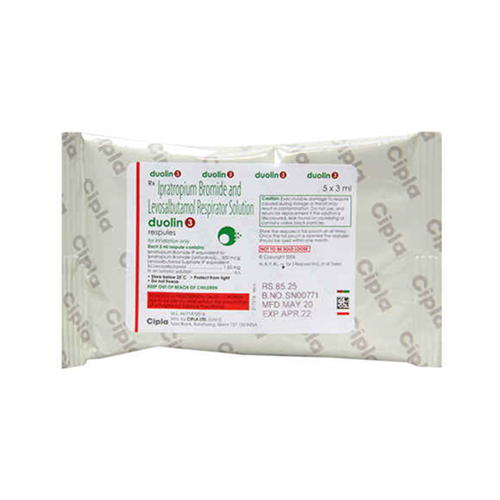
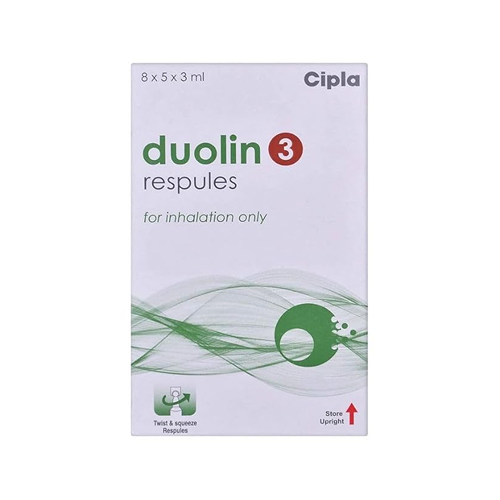
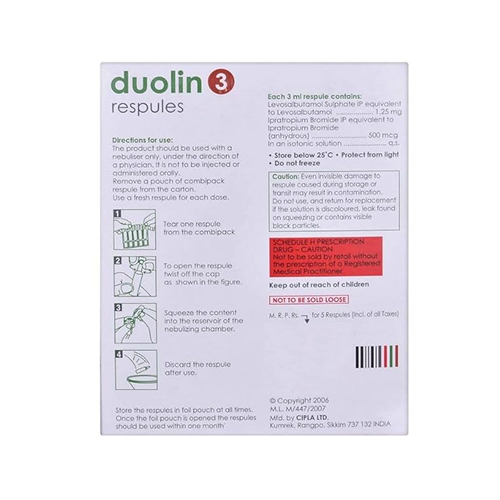
Duolin 3 Respules 3ml
Levosalbutamol (1.25mg) + Ipratropium (500mcg)
MRP
₹28.28
PKG
1 RESPULES
Stock
4332
₹28.28
₹21.27
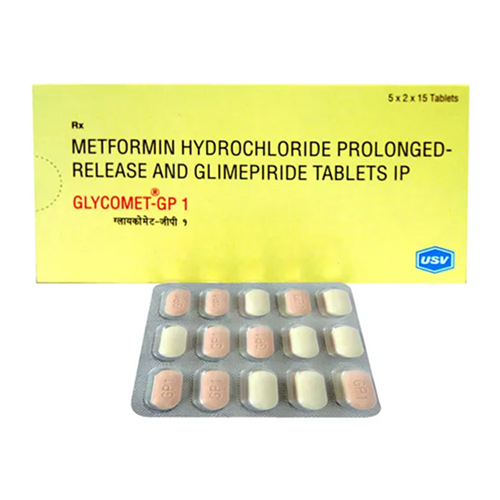
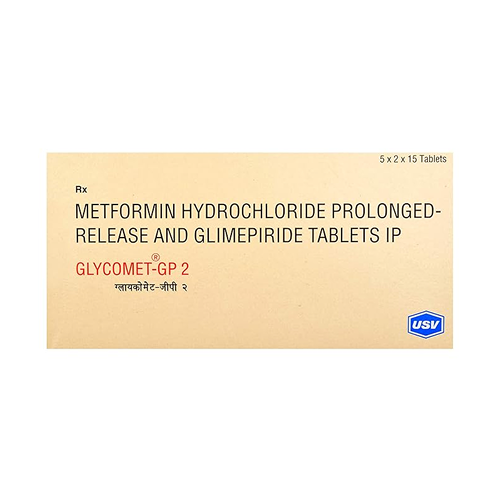
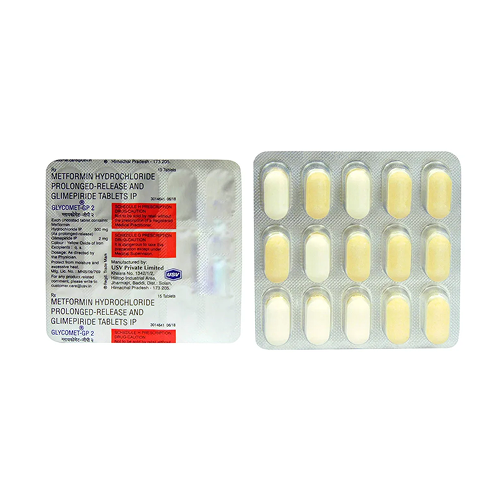
Glycomet-gp 1 Tablet
Glimepiride (1mg) + Metformin (500mg)
MRP
₹123.28
PKG
15 TABLET
Stock
2632
₹123.28
₹92.71

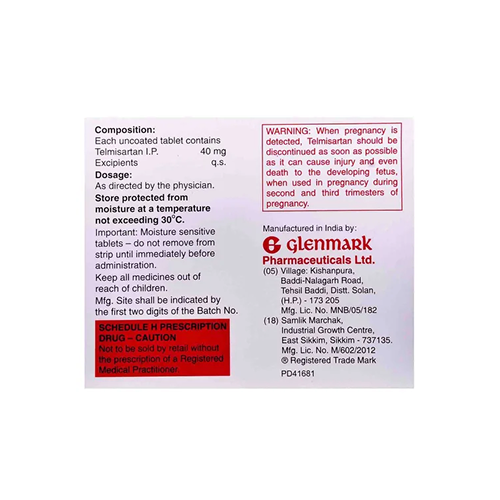
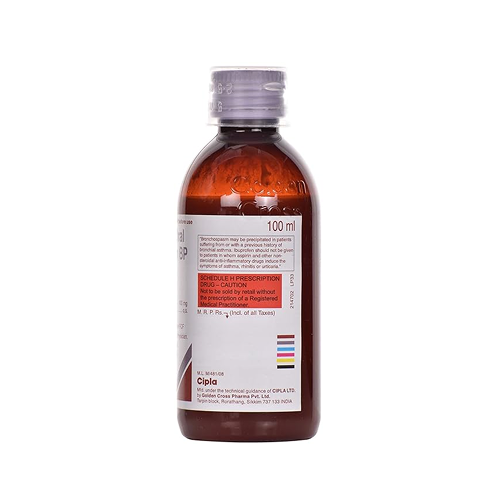
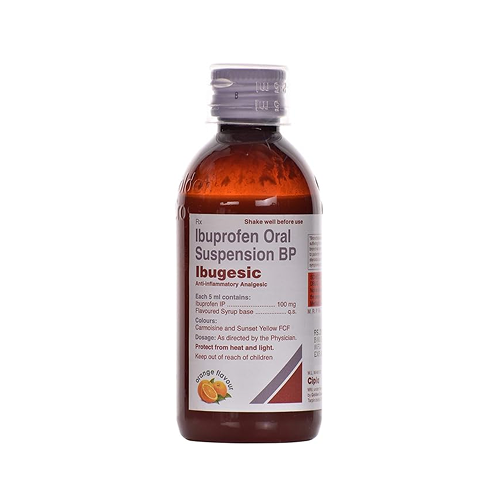
Ibugesic Plus Suspension (orange Flr)- 100 Ml
Ibuprofen-100mg + Paracetamol-162.5mg
MRP
₹62.27
PKG
100 ML
Stock
1329
₹62.27
₹46.82
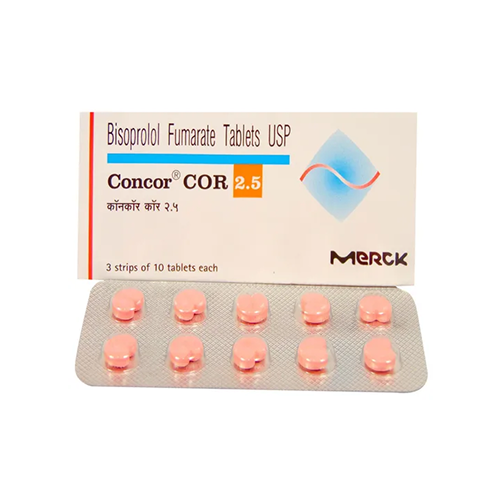
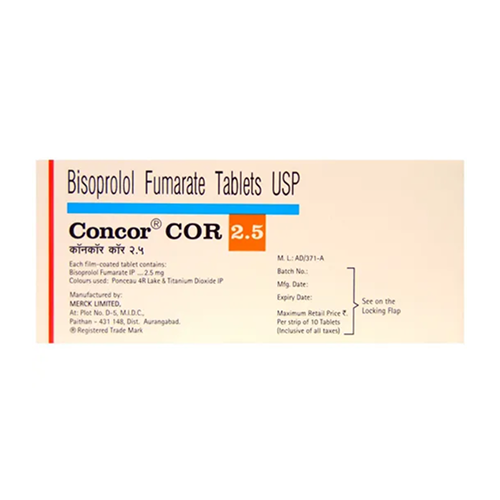
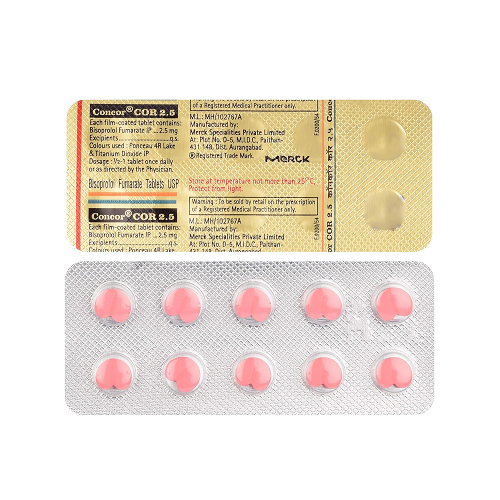
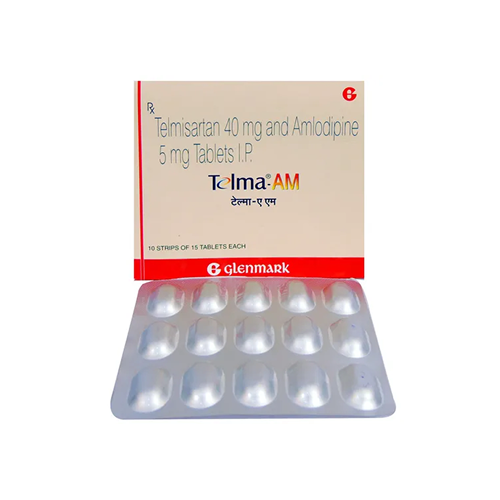
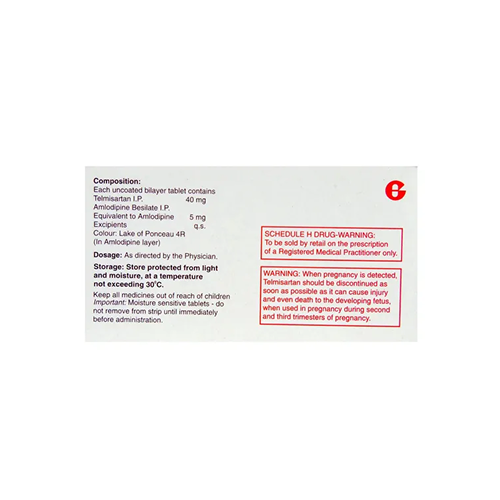
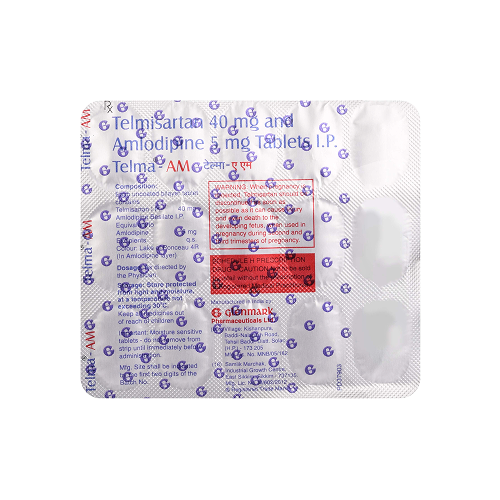
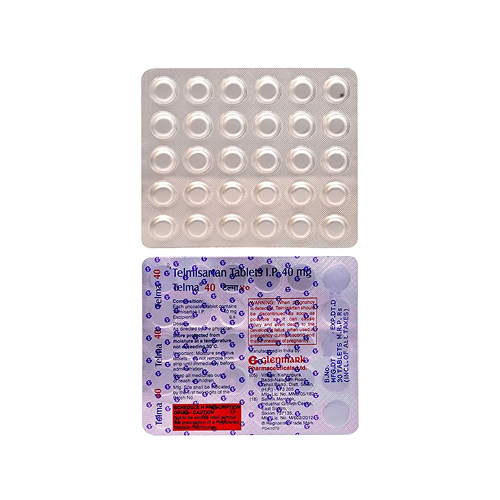
Telma-am Tablet
Telmisartan (40mg) + Amlodipine (5mg)
MRP
₹341.72
PKG
15 TABLET
Stock
831
₹341.72
₹256.98
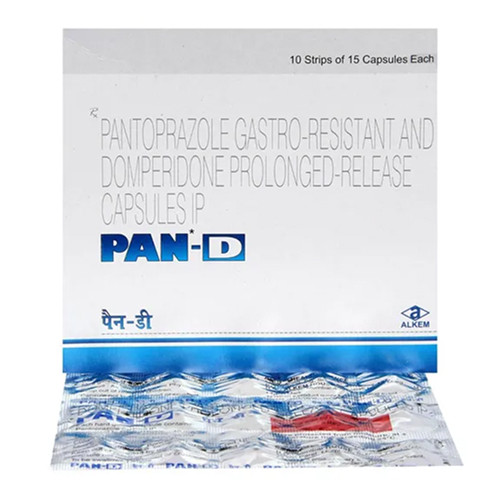
Pan D Capsule
Domperidone (30mg) + Pantoprazole (40mg)
MRP
₹261.9
PKG
15 CAPSULE
Stock
749
₹261.9
₹196.95
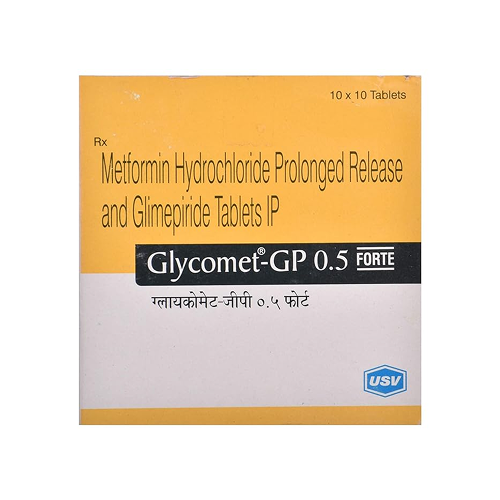
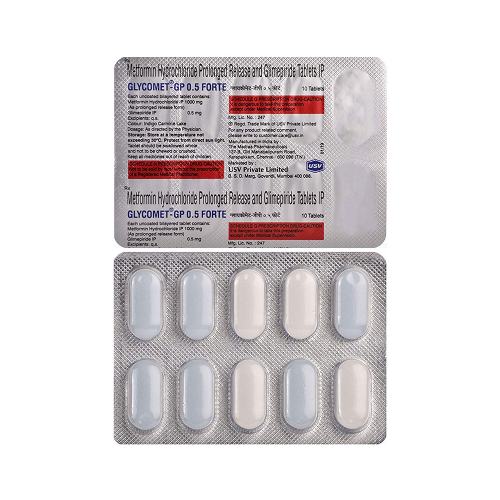
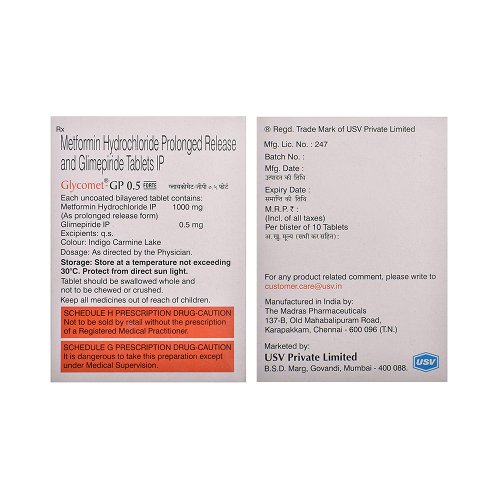
Glycomet-gp 0.5 Tablet
Glimepiride (0.5mg) + Metformin (500mg)
MRP
₹88.88
PKG
10 TABLET
Stock
629
₹88.88
₹66.84

Vylda-m 500mg Tablet
Metformin undefined (500mg) + undefined Vildagliptin (50mg)
MRP
₹179.9
PKG
10 TABLETS
Stock
456
₹179.9
₹135.28

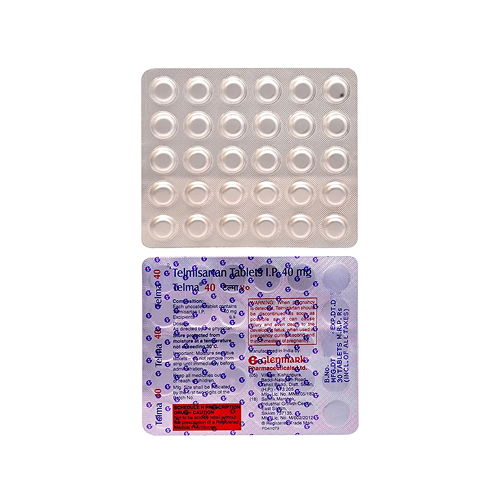
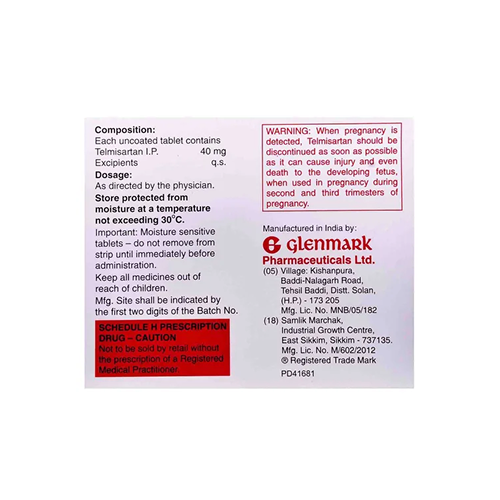
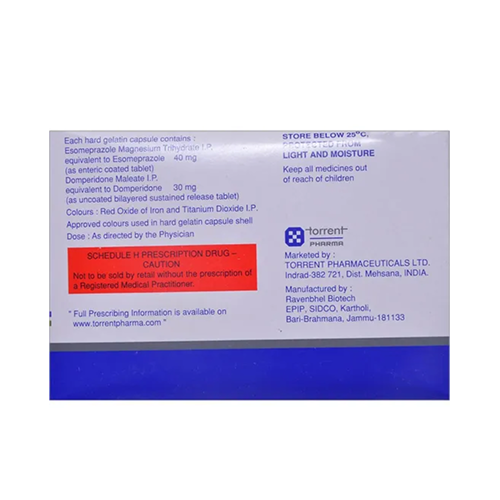
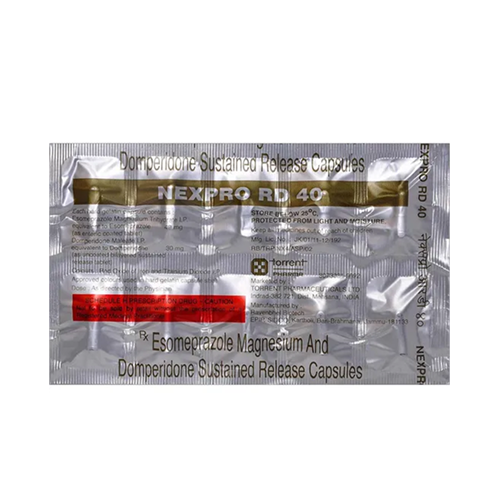
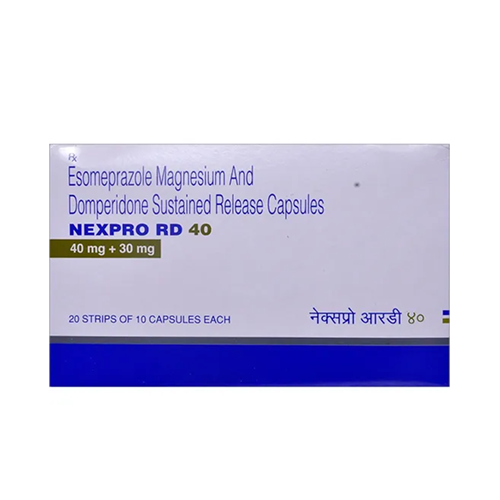
Nexpro Rd 40mg 10cap
Domperidone (30mg) + Esomeprazole (40mg)
MRP
₹191.95
PKG
10 CAPSULE
Stock
398
₹191.95
₹144.35
Gluconorm G 1 Tablet
Glimepiride (1mg) + Metformin (500mg)
MRP
₹255.5
PKG
15 TABLET
Stock
329
₹255.5
₹192.14
Frequently Asked Questions
Here are frequently asked questions (FAQs) about FAROBACT 300 ER TAB (Faropenem):
What is FAROBACT 300 ER TAB used for?
FAROBACT 300 ER TAB is an antibiotic medication primarily used to treat a wide range of bacterial infections. These include severe infections of the upper and lower respiratory tract (like pneumonia, bronchitis, sinusitis), urinary tract, skin and soft tissues (such as cellulitis and abscesses), and gynecological infections. It is often prescribed for infections that have not responded to other commonly used antibiotics.
How does FAROBACT 300 ER TAB work?
FAROBACT 300 ER TAB contains Faropenem, which belongs to the carbapenem class of antibiotics. It works by targeting and inhibiting the synthesis of the bacterial cell wall, a protective outer layer essential for bacterial survival and growth. This action ultimately leads to the death of the bacteria responsible for the infection.
What is the usual dosage of FAROBACT 300 ER TAB?
The usual dosage is one 300 mg extended-release (ER) tablet, typically taken twice daily. It should be swallowed whole with a glass of water, and not crushed, chewed, or broken. The tablet can be taken with or without food. It is crucial to follow your doctor's prescribed dosage and complete the entire course of treatment, even if you start feeling better, to ensure the infection is fully eradicated and to prevent antibiotic resistance.
What are the possible side effects of FAROBACT 300 ER TAB?
Common side effects include diarrhea, nausea, vomiting, stomach pain, abdominal pain, rash, headache, and dizziness. If you experience persistent or severe side effects, or notice symptoms like easy bleeding, loss of appetite, tongue swelling, or mouth sores (which could indicate vitamin K or B deficiencies), you should consult your doctor.
Is FAROBACT 300 ER TAB safe during pregnancy or breastfeeding?
There is limited information available regarding the use of FAROBACT 300 ER TAB during pregnancy. It is generally not recommended for pregnant women unless considered clearly necessary by a doctor who has weighed the potential benefits against the risks. For breastfeeding mothers, Faropenem is known to pass into breast milk. Therefore, it is not recommended during breastfeeding unless your doctor advises its use, considering the risks and benefits to the infant.
Can FAROBACT 300 ER TAB be taken with other medications?
FAROBACT 300 ER TAB can interact with certain medications. It should generally be avoided with Imipenem and Cilastatin sodium, and caution is advised when taken with Sodium Valproate (which can lead to a reoccurrence of fits) or Furosemide (which may cause adverse kidney effects). Probenecid can increase Faropenem levels, and antacids or iron supplements may reduce its absorption if taken within two hours. It is vital to inform your doctor about all other medicines, supplements, and herbal products you are currently taking to avoid potential interactions.
What precautions should be taken while using FAROBACT 300 ER TAB?
Inform your doctor if you have any allergies to faropenem or other beta-lactam antibiotics (like penicillin or cephalosporins). Exercise caution if you have kidney or liver problems, a history of allergic reactions, or if you are not taking food orally or have signs of vitamin K deficiency. If you experience persistent diarrhea, consult your doctor as it might indicate a more serious condition. Due to potential dizziness, avoid driving or operating heavy machinery until you know how the medication affects you.
What happens if a dose of FAROBACT 300 ER TAB is missed?
If you miss a dose of FAROBACT 300 ER TAB, take it as soon as you remember. However, if it is almost time for your next scheduled dose, skip the missed dose and continue with your regular dosing schedule. Do not take a double dose to make up for the missed one.
How should FAROBACT 300 ER TAB be stored?
FAROBACT 300 ER TAB should be stored below 25°C or below 30°C, in its original container, away from direct sunlight, and out of the reach of children and pets.