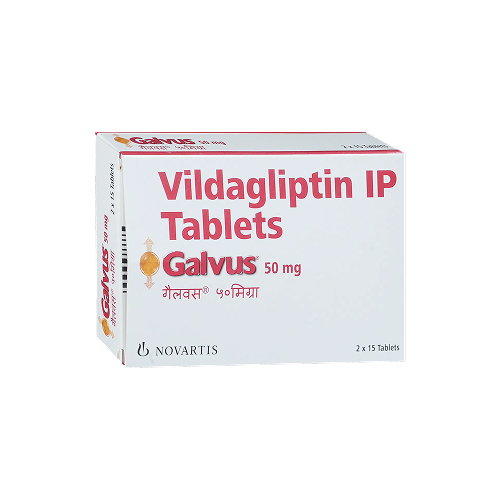
Images are for product identification. Refer to the selected batch for packaging and availability.
Galvus 50mg Tablet
Vildagliptin (50mg)
YOUR PURCHASE PRICE
31 in stockInclusive of all taxes
Choose your batch
2 offersSign in to order for your pharmacy.
Product information
- Manufacturer
- Novartis India Limited
- Category
- Allopathy
- Composition
- Vildagliptin (50mg)
- Packaging
- 15 TABLETS
- Box / case pack
- 1 / —
Description
GALVUS 50MG TABLET
GALVUS 50MG TABLET, manufactured by Novartis India Ltd, is an oral antidiabetic medication used to manage blood sugar levels in adults with Type 2 diabetes mellitus.
Composition
- Active Ingredient: Vildagliptin 50mg
- Excipients: Lactose anhydrous, microcrystalline cellulose, sodium starch glycolate, and magnesium stearate.
Uses GALVUS 50MG TABLET is prescribed as an adjunct to diet and exercise to improve glycemic control in patients with Type 2 diabetes mellitus. It can be used:
- As monotherapy, especially when metformin is inappropriate due to contraindications or intolerance.
- In dual combination with other antidiabetic medicines such as metformin, a sulfonylurea (SU), or a thiazolidinedione (TZD).
- In triple combination with a sulfonylurea and metformin.
- In combination with insulin (with or without metformin).
Vildagliptin, a DPP-4 inhibitor, works by increasing the release of insulin from the pancreas and decreasing glucagon production by the liver, particularly after meals, thereby helping to lower blood sugar levels and prevent diabetes complications like kidney damage and blindness.
Dosage and Administration The recommended dose of GALVUS is individualized.
- Typical Dosage: 50 mg or 100 mg daily.
- A 50 mg dose is typically administered once daily in the morning.
- A 100 mg daily dose can be administered as two divided doses of 50 mg, one in the morning and one in the evening.
- With Sulfonylurea: When used with a sulfonylurea, the recommended dose is 50 mg once daily. A lower dose of sulfonylurea may be considered to reduce the risk of hypoglycemia.
- With Renal Impairment: For patients with moderate or severe renal impairment or End Stage Renal Disease (ESRD), the recommended dose is 50 mg once daily.
- Administration: GALVUS can be taken with or without food. Tablets should be swallowed whole with a glass of water.
- Missed Dose: If a dose is missed, it should be taken as soon as remembered, but a double dose should not be taken on the same day.
Side Effects Common side effects include:
- Low blood glucose levels (hypoglycemia), especially when used with other antidiabetic medicines, alcohol, or if meals are delayed.
- Nasopharyngitis (common cold symptoms).
- Headache.
- Dizziness.
- Nausea.
- Fatigue.
- Tremor.
Serious side effects, though rare, can include:
- Acute pancreatitis (swollen pancreas).
- Liver problems (hepatitis), characterized by yellow skin/eyes, nausea, loss of appetite, or dark urine.
- Severe allergic reactions such as angioedema (swelling under the skin), skin rash, itching, or difficulty breathing.
Precautions
- Allergies: Do not take GALVUS if you are allergic to vildagliptin or any of its ingredients.
- Diabetes Type: Not recommended for Type 1 diabetes or diabetic ketoacidosis.
- Organ Impairment:
- Liver Disease: Avoid use in patients with liver disease. Liver function tests should be monitored before and during treatment.
- Kidney Disease: Use with caution in patients with kidney problems; dose adjustment may be necessary.
- Heart Failure: Use with caution in patients with heart failure.
- Pregnancy and Breastfeeding: Not recommended during pregnancy or breastfeeding. Consult a doctor.
- Alcohol: Alcohol consumption may increase the risk of low blood sugar levels.
- Driving: May cause dizziness; avoid driving or operating machinery if you feel dizzy.
- Children: Not recommended for use in children below 18 years of age.
- Other Medications: Inform your doctor about all other medicines and supplements you are taking, as interactions may occur. Patients taking digoxin should be closely monitored.
- Hypoglycemia: Carry a fast-acting source of sugar (e.g., fruit juice, candy) to treat symptoms of low blood sugar.
Storage Store GALVUS tablets in a cool and dry place, below 30°C, protected from moisture and direct sunlight. Keep out of sight and reach of children.
Frequently asked questions
What is Galvus 50mg Tablet used for?
Galvus 50mg Tablet (Vildagliptin) is a medicine used to treat type 2 diabetes mellitus in adults. It is used alongside a healthy diet and regular exercise to help control blood sugar levels. This helps to prevent serious complications of diabetes, such as kidney damage, blindness, nerve problems, limb loss, and sexual dysfunction. It can be used as a standalone treatment when metformin is not suitable, or in combination with other diabetes medications, including insulin, when those medicines alone do not provide adequate control of blood sugar.
How does Galvus 50mg Tablet work?
Galvus 50mg Tablet contains vildagliptin, which is a dipeptidyl peptidase-4 (DPP-4) inhibitor. It works by blocking the breakdown of 'incretin' hormones (like GLP-1 and GIP) in the body. These hormones are released after meals and stimulate the pancreas to produce insulin. By increasing the levels of incretin hormones, vildagliptin enhances insulin release from the pancreas in a glucose-dependent manner (meaning it works when blood sugar levels are high). It also reduces the amount of glucagon (a hormone that raises blood sugar) produced by the liver, further helping to lower blood sugar levels, especially after meals.
What is the usual dosage of Galvus 50mg Tablet?
The dosage of Galvus is individualized and depends on your condition and other medications you might be taking. The recommended dose is 50 mg or 100 mg daily. If the dose is 50 mg, it's typically taken once daily in the morning. If the dose is 100 mg, it's usually administered as two divided doses of 50 mg, one in the morning and one in the evening. It can be taken with or without food.
What are the possible side effects of Galvus 50mg Tablet?
Common side effects of Galvus 50mg Tablet can include hypoglycemia (low blood sugar), headache, dizziness, fatigue, nausea, tremor, constipation, abdominal pain, diarrhea, heartburn, blurred vision, sore throat, runny nose, and fever. More serious, but rare, side effects can include inflammation of the pancreas (pancreatitis) and liver problems (hepatitis), which might present with symptoms like yellowing of the skin and eyes, dark urine, nausea, vomiting, or loss of appetite. Swelling of hands, ankles, feet, lips, or face (angioedema) and skin problems like blisters or boils have also been reported. It's important to be aware of the symptoms of hypoglycemia (e.g., lightheadedness, sweating, dizziness, fainting, dry mouth) and how to manage them, often by consuming sugary food or drink.
Is Galvus 50mg Tablet safe during pregnancy or breastfeeding?
Galvus 50mg Tablet is generally not recommended for use during pregnancy as there is insufficient experience and data on its safety in pregnant women. Animal studies have shown reproductive toxicity at high doses, and the potential risk for humans is unknown. It is also probably unsafe to use during breastfeeding, as it is unknown if vildagliptin is excreted in human breast milk. Always consult your doctor if you are pregnant, planning to become pregnant, or breastfeeding.
Can Galvus 50mg Tablet be taken with other medications?
Galvus 50mg Tablet has a low potential for drug interactions. It can be taken in combination with other antidiabetic medicines like metformin, sulphonylureas, thiazolidinediones, and insulin. However, the hypoglycemic effect of vildagliptin may be reduced by certain substances, including thiazides, corticosteroids, thyroid products, and sympathomimetics. There may also be an increased risk of angioedema in patients taking ACE-inhibitors concomitantly. It is important to inform your doctor about all medicines, vitamins, and supplements you are taking to avoid undesired effects.
What precautions should be taken with Galvus 50mg Tablet?
Before starting Galvus, inform your doctor if you have kidney disease, heart disease, or pancreas problems. Liver function tests should be performed before and regularly during treatment with Galvus, especially during the first year, as it has been associated with liver problems in rare cases. If you experience symptoms of liver disease (e.g., yellowing skin or eyes, dark urine, nausea, loss of appetite), seek medical attention immediately. Galvus is not recommended for patients with type 1 diabetes or diabetic ketoacidosis. It may cause dizziness, so caution is advised when driving or operating machinery until you know how it affects you. Alcohol consumption should be done carefully as it can lower blood sugar levels.
What happens if a dose of Galvus 50mg Tablet is missed?
If you miss a dose of Galvus 50mg Tablet, take it as soon as you remember. However, if it is almost time for your next dose, skip the missed dose and take your next dose at the usual time. Do not take a double dose to make up for the missed one.
How should Galvus 50mg Tablet be stored?
Galvus 50mg Tablet should be stored in its original container, in a cool, dry place below 30°C, and protected from moisture. Keep it out of the sight and reach of children. Do not use it after the expiry date printed on the pack.