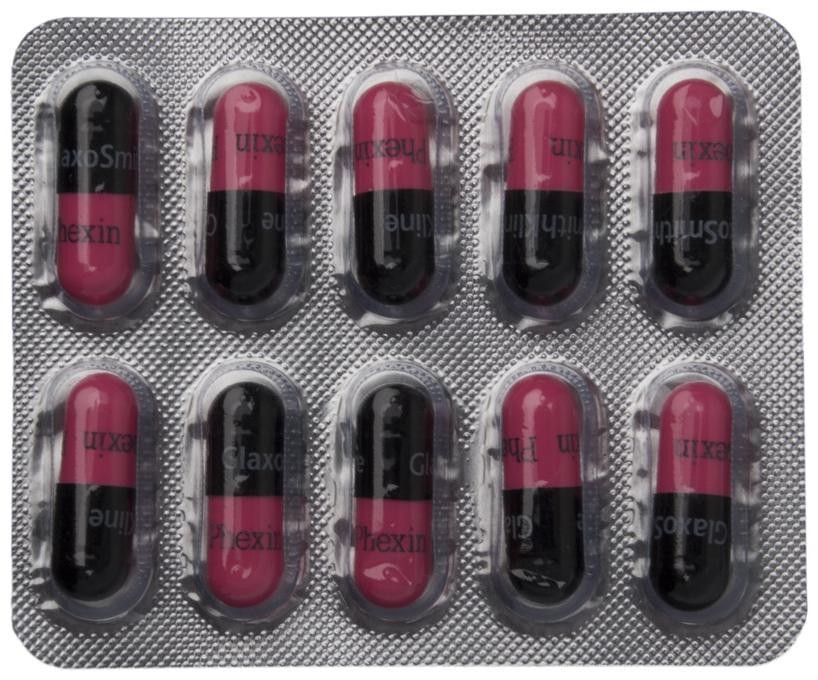
Images are for product identification. Refer to the selected batch for packaging and availability.
Phexin 500 Cap
Cefalexin (500mg)
YOUR PURCHASE PRICE
59 in stockInclusive of all taxes
Available batch
1 offerSign in to order for your pharmacy.
Product information
- Manufacturer
- Glaxo Smithkline Pharmaceuticals Ltd
- Category
- Allopathy
- Composition
- Cefalexin (500mg)
- Packaging
- 10 CAPSULE
- Box / case pack
- 1 / —
Description
PHEXIN 500 CAP by GLAXO SMITHKLINE PHARMACEUTICALS LTD
Phexin 500mg Capsule is an antibiotic medication manufactured by Glaxo Smithkline Pharmaceuticals Ltd..
-
Name
- Brand Name: PHEXIN 500 CAP
- Common Name: Cephalexin (as capsules)
-
Composition Each capsule contains 500 mg of Cephalexin, which is a first-generation cephalosporin antibiotic.
-
Uses PHEXIN 500 CAP is prescribed to treat a wide range of bacterial infections by inhibiting bacterial cell wall synthesis, leading to bacterial death. It is effective against various susceptible Gram-positive and some Gram-negative bacteria. It is used for conditions such as:
- Respiratory Tract Infections: Including tonsillitis, pharyngitis, and bronchitis, as well as pneumonia.
- Urinary Tract Infections (UTIs): Such as cystitis and pyelonephritis.
- Skin and Soft Tissue Infections: Including cellulitis, impetigo, and boils.
- Ear Infections: Like otitis media.
- Bone and Joint Infections: Such as osteomyelitis and septic arthritis.
- Reproductive System Infections: Including bacterial vaginosis and prostatitis.
- Dental Infections.
It is important to note that PHEXIN 500 CAP is not effective against viral infections like the flu or common cold.
-
Dosage and Administration PHEXIN 500 CAP is taken orally, typically with a full glass of water. It can be taken with or without food, though taking it with food may help reduce stomach upset. It is crucial to complete the full course of treatment as prescribed by a healthcare provider, even if symptoms improve, to prevent antibiotic resistance and recurrence of infection.
- Adults:
- For mild to moderate infections, a common regimen is 250 mg to 500 mg every 6 to 8 hours.
- For some infections, such as streptococcal pharyngitis, skin and soft tissue infections, and uncomplicated cystitis, 500 mg may be administered every 12 hours.
- In more severe infections, the dosage may be increased to 500 mg to 1000 mg every 6 to 8 hours.
- The maximum daily dose should not exceed 4 grams.
- For uncomplicated urinary tract infections, the duration is typically 7 to 14 days.
- For streptococcal pharyngitis, treatment should be for at least 10 days.
- Pediatric Patients:
- The usual recommended daily dosage is 25 to 50 mg/kg of body weight per day, divided into equally spaced doses every 6 to 8 or 12 hours.
- For otitis media, a dosage of 75 to 100 mg/kg/day in 4 divided doses is often required.
- In severe infections, the dosage may be doubled.
- Adults:
-
Side Effects
- Common Side Effects: Diarrhoea (which usually resolves after treatment), nausea, vomiting, indigestion (dyspepsia), and stomach pain/abdominal pain. Skin rashes, itching, and headache are also possible.
- Serious Side Effects (seek immediate medical attention): Severe allergic reactions (hives, swelling of face/lips, difficulty breathing), persistent or severe nausea/vomiting, severe or persistent stomach pain, severe diarrhoea with blood or mucus in stool (pseudomembranous colitis), oral thrush or yeast infections, and severe skin rashes with blistering or peeling. Rare side effects like eosinophilia, neutropenia, leucopenia, and thrombocytopenia have also been reported.
-
Precautions
- Allergies: Inform your doctor if you have a known allergy to cephalexin, other cephalosporin antibiotics, or penicillin antibiotics, as there is a possibility of cross-allergenicity.
- Kidney and Liver Conditions: Use with caution in patients with kidney or liver problems, as dose adjustments may be necessary.
- Gastrointestinal Issues: Exercise caution in patients with a history of stomach or bowel problems, particularly colitis or persistent diarrhoea, as antibiotics can disrupt gut flora and potentially lead to antibiotic-associated colitis.
- Pregnancy: Generally considered safe if prescribed, but consult a healthcare provider before use.
- Breastfeeding: Cephalexin is excreted in breast milk in low concentrations. Use with caution, and consult a doctor.
- Alcohol: It is advisable to avoid alcohol while taking Phexin 500mg capsules due to a potential increased risk of harmful effects like dizziness and sleepiness.
- Drug Interactions: Inform your doctor about all other medications, supplements, and herbal remedies you are taking. PHEXIN 500 CAP may interact with other antibiotics (e.g., gentamicin, tobramycin, cefuroxime), antidiabetic medications (e.g., metformin), certain diuretics (e.g., furosemide), probenecid, and some blood thinners. It may also interfere with blood and urine tests. Avoid live typhoid vaccine.
- Children and Elderly: Use with caution in children and elderly patients, with dosage adjusted based on age, weight, and kidney function.
- Superinfection: Prolonged use may result in the overgrowth of non-susceptible organisms.
-
Storage Store PHEXIN 500 CAP at room temperature (15-25ºC), protected from light and moisture. Keep it in a clean and dry place, out of sight and reach of children and pets. Do not use the capsules after the expiry date.
Frequently asked questions
Here are some frequently asked questions about PHEXIN 500 CAP:
What is PHEXIN 500 CAP used for?
PHEXIN 500 CAP is an antibiotic medication primarily used to treat a wide range of bacterial infections. It is effective against infections of the respiratory tract (like tonsillitis, pharyngitis, and bronchitis), middle ear (otitis media), skin and soft tissues (such as cellulitis, impetigo, and boils), bones and joints (like osteomyelitis and septic arthritis), reproductive organs, urinary tract (including cystitis and pyelonephritis), and dental infections. This medication is not effective against viral infections like the flu or common cold.
How does PHEXIN 500 CAP work?
PHEXIN 500 CAP contains Cephalexin, which is a cephalosporin antibiotic. It works by interfering with the formation of the bacterial cell wall, a crucial structure for bacterial survival and protection. Cephalexin inhibits the synthesis of peptidoglycans, essential components of the bacterial cell wall, leading to defective cell walls and ultimately the death of the bacteria. This mechanism makes it effective against various susceptible bacteria, including many gram-positive and some gram-negative bacteria.
What is the usual dosage for PHEXIN 500 CAP?
For adults, a common dosage for mild to moderate infections is 250mg to 500mg every 6 to 8 hours. For more severe infections, the dosage may be increased to 500mg to 1000mg every 6 to 8 hours, with a maximum daily dose not exceeding 4 grams. The exact dosage and duration of treatment are determined by your doctor based on the specific infection and its severity. In children, the dosage is typically calculated based on body weight, usually 25 to 50 mg per kg of body weight per day, divided into equally spaced doses every 6 to 8 hours. It can be taken with or without food, but taking it with food may help reduce stomach upset.
What are the possible side effects of PHEXIN 500 CAP?
Common side effects include nausea, vomiting, diarrhea, indigestion (dyspepsia), and abdominal pain. These are usually mild and often resolve on their own. However, if these side effects persist or worsen, you should inform your doctor.
More serious, though rare, side effects can include allergic reactions such as rash, itching, swelling (especially of the face or throat), or difficulty breathing. If you experience severe diarrhea (especially if it's watery or bloody), severe skin peeling or blistering, or any signs of a serious allergic reaction, seek immediate medical attention.
Is PHEXIN 500 CAP safe during pregnancy or breastfeeding?
PHEXIN 500 CAP is generally considered safe for use during pregnancy, as animal studies have shown low or no adverse effects on the developing baby, although human studies are limited. It is also probably safe to use during breastfeeding, as limited human data suggests the drug does not represent a significant risk to the baby, though it is excreted in human milk in low concentrations. However, it is always crucial to consult your doctor before taking this medication if you are pregnant, planning a pregnancy, or breastfeeding.
Can PHEXIN 500 CAP be taken with other medications?
PHEXIN 500 CAP can interact with certain medications. It is important to inform your doctor about all other medicines, supplements, or herbal remedies you are currently taking to avoid potential interactions. Some medications that may interact include other antibiotics (e.g., gentamicin, tobramycin, polymyxin), "water pills" (diuretics like furosemide), probenecid (used for gout), metformin (for diabetes), blood thinners (like rivaroxaban, dabigatran), and oral contraceptives (birth control pills). Cephalexin may reduce the effects of oral contraceptives.
What precautions should be taken while taking PHEXIN 500 CAP?
Before taking PHEXIN 500 CAP, inform your doctor if you have any allergies to cephalexin, other cephalosporin antibiotics, or penicillin antibiotics. Also, disclose any history of kidney or liver problems, severe or prolonged diarrhea, or seizure disorders. It's crucial to complete the full course of treatment as prescribed by your doctor, even if your symptoms improve, to prevent the infection from returning and to reduce the risk of antibiotic resistance. Do not use this medication for viral infections.
What happens if a dose of PHEXIN 500 CAP is missed?
If you miss a dose of PHEXIN 500 CAP, take it as soon as you remember. However, if it is almost time for your next scheduled dose, skip the missed dose and continue with your regular dosing schedule. Do not double the dose to catch up.
How should PHEXIN 500 CAP be stored?
PHEXIN 500 CAP should be stored at room temperature, away from heat, moisture, and direct sunlight, and below 30°C. Keep it out of reach of children and pets. Do not store it in the bathroom. Any unused medication should be discarded properly.