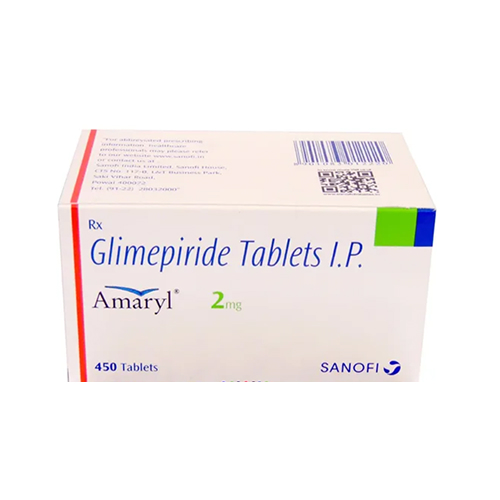
Images are for product identification. Refer to the selected batch for packaging and availability.
Amaryl 2mg Tablet
Glimepiride (2mg)
YOUR PURCHASE PRICE
99 in stockInclusive of all taxes
Available batch
1 offerSign in to order for your pharmacy.
Product information
- Manufacturer
- Sanofi India Ltd
- Category
- Allopathy
- Composition
- Glimepiride (2mg)
- Packaging
- 30 TABLET
- Box / case pack
- 1 / —
Description
AMARYL 2MG TABLET
Amaryl 2mg Tablet, manufactured by Sanofi India Ltd, is an oral antidiabetic medication used to manage Type 2 diabetes mellitus in adults. It belongs to a class of medicines called sulfonylureas.
Composition
The active ingredient in Amaryl 2mg Tablet is Glimepiride (2mg). The tablets also contain inactive ingredients such as lactose monohydrate, sodium starch glycolate, microcrystalline cellulose, povidone 25000, and magnesium stearate. The 2mg tablets specifically contain yellow iron oxide (E172) and indigo carmine aluminium lake (E132) for coloring.
Uses
Amaryl 2mg Tablet is prescribed to lower elevated blood sugar levels in adults with Type 2 diabetes mellitus (non-insulin-dependent diabetes mellitus - NIDDM) when diet, physical exercise, and weight reduction alone are insufficient to control blood sugar. It can be used alone or in combination with other antidiabetic medicines like metformin or insulin. By helping to manage blood glucose levels, it aims to prevent serious diabetes-related complications such as kidney damage, eye problems, nerve issues, and cardiovascular risks.
Dosage and Administration
Amaryl 2mg Tablet is for oral administration. It should be taken once daily with breakfast or the first main meal of the day. It is important not to skip meals after taking the medication. The tablets should be swallowed whole with a glass of water and not crushed, broken, or chewed.
The typical starting dose is 1 mg or 2 mg once daily. For patients at increased risk of hypoglycemia (e.g., the elderly or those with renal impairment), a starting dose of 1 mg once daily is recommended. Dosage adjustments, if needed, are made in increments of 1 mg or 2 mg based on blood glucose levels, not more frequently than every 1 to 2 weeks. The maximum recommended dose is 8 mg once daily, though doses above 6mg are only beneficial in exceptional cases.
Side Effects
Common side effects include:
- Hypoglycemia (low blood sugar), with symptoms such as sweating, dizziness, headache, shaking, weakness, confusion, and fast heartbeat.
- Nausea.
- Headache.
- Dizziness.
- Weakness.
- Weight gain.
- Allergic reactions (e.g., skin rash, hives, sensitivity to sun rays, itching, flushing).
Serious side effects, though rare, can include severe hypoglycemia, hemolytic anemia (especially in patients with G6PD deficiency), and elevated liver enzymes.
Precautions
- Hypoglycemia: Patients should be educated to recognize and manage symptoms of low blood sugar. Regular meals and carrying a fast-acting source of glucose (like sugary food or fruit juice) are important.
- Alcohol: Alcohol consumption can unpredictably increase or decrease the blood sugar-lowering effect of glimepiride and should be avoided.
- Pregnancy and Breastfeeding: Amaryl is generally not recommended during pregnancy as it may harm the unborn baby. It may pass into breast milk, so it should be avoided by nursing mothers.
- Medical Conditions: Inform your doctor if you have severe kidney or liver disease, heart disease, thyroid disease, G6PD deficiency, or hormonal conditions. Amaryl is not for Type 1 diabetes or diabetic ketoacidosis.
- Drug Interactions: Inform your doctor about all medicines, supplements, or herbal products you are taking, as Amaryl can interact with several drugs, potentially altering blood glucose levels (e.g., certain antibiotics, blood thinners, other antidiabetics, and cholesterol-lowering medicines like colesevelam).
- Driving and Machinery: Amaryl can cause low blood sugar, leading to dizziness or impaired concentration, which can affect the ability to drive or operate machinery.
Storage
Amaryl tablets should be stored in a cool and dry place, away from direct sunlight, at a temperature below 30°C (or between 20°C to 25°C). Keep the tablets in their original packaging and out of sight and reach of children. Avoid storing the medication in damp or wet areas like bathrooms.
Frequently asked questions
Here are some frequently asked questions about AMARYL 2MG TABLET:
What is AMARYL 2MG TABLET used for?
AMARYL 2MG TABLET, which contains the active ingredient glimepiride, is primarily used to lower high blood sugar levels in adults with Type 2 diabetes mellitus. It is prescribed as an adjunct to diet and exercise to improve glycemic control. It can also be used in combination with other diabetes medications like metformin or insulin if diet, exercise, and a single medication are not enough to control blood sugar levels. By managing blood sugar, it helps reduce the risk of diabetes-related complications such as kidney damage, eye problems, nerve issues, and heart disease.
How does AMARYL 2MG TABLET work?
AMARYL 2MG TABLET belongs to a class of medicines called sulfonylureas. It works by stimulating the beta cells in the pancreas to release more insulin. Insulin is a hormone that helps move glucose (sugar) from the bloodstream into the body's cells, where it can be used for energy, thereby lowering blood sugar levels.
What is the usual dosage for AMARYL 2MG TABLET?
The typical starting dose of AMARYL is 1 mg or 2 mg once daily, taken with breakfast or the first main meal of the day. For patients at an increased risk of hypoglycemia (low blood sugar), such as the elderly or those with kidney impairment, a starting dose of 1 mg once daily may be recommended. After initiating treatment, your doctor may increase the dose in increments of 1 mg or 2 mg every 1 to 2 weeks, based on your blood sugar response. The maximum recommended daily dose is 8 mg. It is crucial not to skip meals after taking this medication.
What are the possible side effects of AMARYL 2MG TABLET?
Common side effects of AMARYL include low blood sugar (hypoglycemia), nausea, headache, dizziness, weakness, and mild weight gain. Symptoms of low blood sugar can include sudden sweating, shaking, fast heartbeat, hunger, blurred vision, or tingling hands/feet. More serious, but rare, side effects can include severe hypoglycemia leading to confusion, convulsions, loss of consciousness, or seizures, hemolytic anemia (breakdown of red blood cells, especially in patients with G6PD deficiency), elevated liver enzymes, and severe allergic reactions (e.g., skin rash, hives, swelling, difficulty breathing). If you experience any severe or persistent side effects, you should consult your doctor.
Is AMARYL 2MG TABLET safe during pregnancy or breastfeeding?
AMARYL 2MG TABLET is generally not recommended during pregnancy (Pregnancy Category C). Your doctor may switch you to insulin therapy if you are pregnant or planning to become pregnant, as glimepiride may harm the unborn baby. Similarly, it is not recommended during breastfeeding because the medication may pass into breast milk and could cause low blood sugar in the infant. Always consult your doctor if you are pregnant, planning a pregnancy, or breastfeeding.
Can AMARYL 2MG TABLET be taken with other medications?
AMARYL 2MG TABLET can interact with several other medications, which may either increase or decrease its blood sugar-lowering effect.
- Increased risk of low blood sugar (hypoglycemia): This can occur when taken with drugs like other oral diabetes medications (e.g., metformin, insulin), certain antibiotics (e.g., clarithromycin), non-steroidal anti-inflammatory drugs (NSAIDs), aspirin, blood thinners, fluoxetine, and monoamine oxidase inhibitors (MAOIs).
- Reduced effectiveness of Amaryl (increased blood sugar): This can happen with drugs that raise blood sugar, such as diuretics (water pills), corticosteroids (e.g., prednisone), thyroid hormones, estrogens, oral contraceptives, and certain atypical antipsychotics.
- Specific interactions: If you are taking colesevelam (a cholesterol-reducing medicine), AMARYL should be taken at least 4 hours prior to it to avoid reduced absorption of glimepiride. Alcohol consumption can also unpredictably affect blood sugar levels, either increasing or decreasing them, and should generally be avoided. Always inform your doctor about all the medications, supplements, and herbal products you are currently taking to avoid potential interactions.
What precautions should be taken while taking AMARYL 2MG TABLET?
It's important to monitor your blood sugar levels regularly to prevent hypoglycemia (low blood sugar) or hyperglycemia (high blood sugar). Factors that can increase the risk of hypoglycemia include undernourishment, irregular meal times, skipped meals, taking more Amaryl than prescribed, decreased kidney function, severe liver disease, or certain hormonal disorders. Patients with glucose-6-phosphate dehydrogenase (G6PD) deficiency should use Amaryl with caution due to the risk of hemolytic anemia. Caution is also advised for patients with kidney or liver problems, as dose adjustments may be needed. Alcohol consumption should be avoided as it can increase the risk of low blood sugar. If you experience dizziness or visual problems due to blood sugar fluctuations, avoid driving or operating machinery.
What happens if a dose is missed?
If you miss a dose of AMARYL 2MG TABLET, take it as soon as you remember. However, if it is almost time for your next dose, skip the missed dose and continue with your regular dosing schedule. Do not take a double dose to make up for a forgotten dose, as this can increase the risk of low blood sugar. Missed doses can lead to high blood glucose.
How should AMARYL 2MG TABLET be stored?
AMARYL 2MG TABLET should be stored in a cool and dry place, away from direct sunlight, heat, and moisture, ideally at a temperature between 20°C to 25°C (68°F to 77°F) or below 30°C. Keep the tablets in their original, tightly sealed packaging and out of the sight and reach of children. Do not store it in areas prone to dampness, like bathrooms.