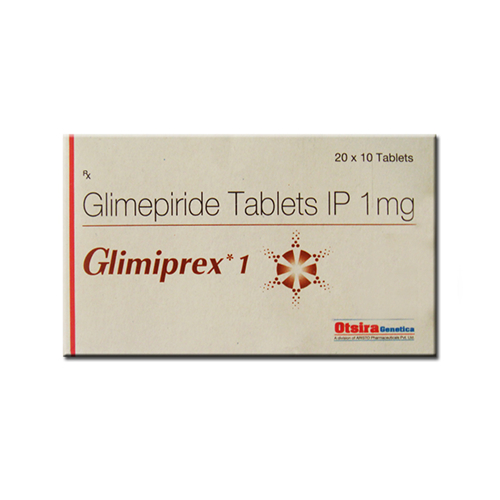
Images are for product identification. Refer to the selected batch for packaging and availability.
Glimiprex 1 Mg Tablet (10 Tab)
Glimepiride (1mg)
YOUR PURCHASE PRICE
15 in stockInclusive of all taxes
Choose your batch
2 offersSign in to order for your pharmacy.
Product information
- Manufacturer
- Aristo Pharmaceuticals Private Limited.
- Category
- Allopathy
- Composition
- Glimepiride (1mg)
- Packaging
- 10 TABLET
- Box / case pack
- 1 / —
Description
GLIMIPREX 1 MG TABLET
GLIMIPREX 1 MG TABLET, manufactured by Aristo Pharmaceuticals Pvt. Ltd., is an oral anti-diabetic medication used to manage blood sugar levels in adults with Type 2 Diabetes Mellitus.
-
Composition Each tablet contains Glimepiride 1 mg as the active ingredient.
-
Uses GLIMIPREX 1 MG TABLET is primarily prescribed for the management of Type 2 Diabetes Mellitus in adults when diet and exercise alone are insufficient to control blood sugar. It works by stimulating the pancreas to release more insulin and by increasing the body's sensitivity to insulin, thereby lowering blood glucose levels. This medication can be used alone or in combination with other anti-diabetic medicines, including insulin, to achieve better glycemic control and help prevent diabetes-related complications such as kidney damage, blindness, nerve problems, and heart disease.
-
Dosage and Administration GLIMIPREX 1 MG TABLET should be taken orally, usually once daily with breakfast or the first main meal of the day. The recommended starting dose is typically 1 mg or 2 mg once daily. For individuals at a higher risk of hypoglycemia (e.g., elderly or patients with renal impairment), a starting dose of 1 mg once daily is advised. The usual maintenance dose ranges from 1-4 mg once daily, with a maximum recommended dose of 8 mg once daily. Dosage adjustments, if required, should not exceed 2 mg at 1- to 2-week intervals after reaching a daily dose of 2 mg, and are based on blood glucose levels. The tablet should be swallowed whole with a glass of water and not cut, broken, or chewed.
-
Side Effects
- Common Side Effects: Low blood sugar levels (hypoglycemia) symptoms such as sweating, dizziness, headache, shaking, increased hunger, weakness, or an irregular heartbeat, nausea, headache, dizziness, flu-like symptoms, allergic skin reaction, and weight gain.
- Serious Side Effects (seek immediate medical attention): Severe allergic reactions (including inflammation of blood vessels, severe skin rash, swelling of the face, eyelids, lips, tongue, or throat causing difficulty in breathing or swallowing, and a drop in blood pressure), signs of liver problems (such as fever, yellowing of skin and whites of the eyes, weakness, fatigue, weight loss, and loss of appetite, jaundice), severe hypoglycemia leading to confusion, shakiness, sweating, or fainting, anemia, and haemolytic anaemia.
-
Precautions
- Hypoglycemia: Patients should be aware of the symptoms of low blood sugar and always carry a fast-acting source of glucose (e.g., sugary candy, fruit juice). Regular meals are crucial to prevent hypoglycemia.
- Alcohol Consumption: Avoid alcohol while taking this medicine as it can increase the risk of low blood sugar levels and potentially lead to lactic acidosis.
- Contraindications: GLIMIPREX 1 MG TABLET is not recommended for individuals with Type 1 diabetes mellitus, diabetic ketoacidosis, severe kidney or liver disease, G6PD deficiency, or a history of haemolytic anemia.
- Specific Conditions: Use with caution in patients with heart disease, kidney disease, liver disease, certain hormonal conditions, or if malnourished.
- Pregnancy and Breastfeeding: This medicine is generally not recommended during pregnancy unless the potential benefits outweigh the risks to the unborn baby. It should be used with caution during breastfeeding as it may pass into breast milk.
- Photosensitivity: GLIMIPREX 1 MG TABLET can increase skin sensitivity to the sun; therefore, using sunscreen or wearing protective clothing is advised.
- Driving and Machinery: Due to potential fluctuations in blood sugar levels that can cause dizziness or affect concentration, caution should be exercised when driving or operating machinery.
- Drug Interactions: Inform your doctor about all other medications you are taking, including over-the-counter drugs and herbal supplements, as GLIMIPREX 1 MG TABLET can interact with various medicines.
- Stressful Conditions: Discontinuation of the medicine may be necessary during stressful events such as fever, trauma, surgeries, or accidents, as its effectiveness in controlling blood sugar may be compromised.
-
Storage Store GLIMIPREX 1 MG TABLET at room temperature, ideally below 30°C, in its original packaging. Keep out of the sight and reach of children.
Frequently asked questions
Here are frequently asked questions and answers about GLIMIPREX 1 MG TABLET:
What is GLIMIPREX 1 MG TABLET used for?
GLIMIPREX 1 MG TABLET is used to treat type 2 diabetes mellitus in adults. It helps control high blood sugar levels when diet and exercise alone are not sufficient. It can be used alone or in combination with other anti-diabetic medications.
How does GLIMIPREX 1 MG TABLET work?
This medicine contains Glimepiride, which belongs to a class of drugs called sulfonylureas. It works by stimulating the pancreas to release more insulin. Additionally, it increases the sensitivity of the body's cells to insulin, which helps to lower elevated blood sugar levels.
What is the usual dosage of GLIMIPREX 1 MG TABLET?
The recommended starting dose is typically 1 mg or 2 mg once daily, taken with breakfast or the first main meal of the day. The usual maintenance dose ranges from 1 mg to 4 mg once daily. Your doctor may gradually increase the dosage, usually by 1-2 mg at 1- to 2-week intervals, based on your blood sugar levels. The maximum recommended daily dose is 8 mg. It is important to take this medicine with or after food to reduce potential side effects.
What are the possible side effects of GLIMIPREX 1 MG TABLET?
Common side effects include low blood sugar levels (hypoglycemia), nausea, headache, dizziness, and weight gain. Other reported side effects can include flu-like symptoms, allergic skin reactions, anemia, jaundice, diarrhea, gastrointestinal pain, and vomiting. If you experience symptoms of severe hypoglycemia such as confusion, shakiness, sweating, or fainting, seek immediate medical attention.
Is GLIMIPREX 1 MG TABLET safe during pregnancy or breastfeeding?
GLIMIPREX 1 MG TABLET is generally not recommended for use during pregnancy, and your doctor may consider switching to insulin therapy if you are pregnant or planning to become pregnant. It may pass into breast milk, and therefore, it is generally advised against using it while breastfeeding. You should consult your doctor to discuss the risks and benefits.
Can GLIMIPREX 1 MG TABLET be taken with other medications?
GLIMIPREX 1 MG TABLET can interact with several other medications. Some medicines, like other anti-diabetic drugs (e.g., insulin, metformin), fluconazole, aspirin, ACE inhibitors (e.g., ramipril, lisinopril), and certain antibiotics, can increase the risk of low blood sugar. Conversely, medications such as corticosteroids, diuretics, levothyroxine, oestrogens, and progestogens can reduce the blood sugar-lowering effect of Glimiprex. Always inform your doctor about all prescription, over-the-counter medications, supplements, and herbal products you are currently taking to avoid potential interactions.
What precautions should be taken while taking GLIMIPREX 1 MG TABLET?
- Hypoglycemia: Be vigilant for symptoms of low blood sugar (e.g., extreme hunger, dizziness, confusion, shakiness, sweating) and always carry a fast-acting source of glucose, like candy or juice.
- Alcohol: Avoid or limit alcohol consumption as it can significantly increase the risk of low blood sugar.
- Driving: This medicine can cause low blood sugar, leading to drowsiness or confusion, which may affect your ability to drive or operate machinery safely. Exercise caution.
- Liver and Kidney Conditions: If you have severe liver or kidney disease, this medicine is generally contraindicated. For mild to moderate conditions, your doctor may need to adjust the dosage.
- Type 1 Diabetes and Diabetic Ketoacidosis: GLIMIPREX 1 MG TABLET is not for use in individuals with type 1 diabetes or diabetic ketoacidosis.
- Regular Monitoring: Your doctor will likely advise regular monitoring of your blood sugar levels, and potentially blood cell counts and liver function. Do not stop taking the medicine without consulting your doctor.
What happens if a dose of GLIMIPREX 1 MG TABLET is missed?
If you miss a dose, take it as soon as you remember. However, if it is almost time for your next scheduled dose, skip the missed dose and continue with your regular dosing schedule. Do not take a double dose to compensate for the missed one.
How should GLIMIPREX 1 MG TABLET be stored?
Store GLIMIPREX 1 MG TABLET at room temperature in its original packaging, in a cool and dry place, preferably below 30°C. Keep it out of the sight and reach of children and pets.