Cold-Chain Logistics Best Practices for Pharmaceutical Distribution
Why Cold-Chain Matters in Pharma
Cold-chain management is one of the most critical aspects of pharmaceutical distribution. According to the World Health Organization, approximately 25% of vaccines and temperature-sensitive medicines are degraded by the time they reach the patient due to cold-chain failures. In India, where ambient temperatures regularly exceed 40°C in summer, proper cold-chain handling is not just best practice — it's a necessity for patient safety and regulatory compliance.
Products requiring cold-chain management include:
- Vaccines: Most require storage at 2–8°C (e.g., COVID-19 vaccines, childhood immunization vaccines).
- Biologics and Biosimilars: Insulin, monoclonal antibodies, and similar products typically require 2–8°C storage.
- Certain APIs: Some active pharmaceutical ingredients are temperature-sensitive and degrade at room temperature.
- Diagnostic Reagents: Many laboratory test kits and reagents require refrigerated storage.
- Specialty Medications: Certain oncology drugs, hormones, and blood products require strict temperature control.
Temperature Zones and Requirements
Understanding the correct storage temperature zones is fundamental to cold-chain compliance:
- Frozen (-25°C to -10°C): Certain vaccines (e.g., some mRNA vaccines), plasma products, and specific biologics.
- Refrigerated (2°C to 8°C): Most vaccines, insulins, and biologics. This is the most common cold-chain requirement for pharmacies.
- Cool (8°C to 15°C): Some suppositories, certain liquid formulations, and specific dermatological preparations.
- Controlled Room Temperature (15°C to 25°C): Many medicines that don't require refrigeration but are sensitive to heat excursions above 25°C.
Each zone requires specific equipment, monitoring protocols, and handling procedures. Product-specific temperature requirements are listed on labels and package inserts, and pharmacies should maintain a reference chart for their cold-chain inventory.
Equipment and Infrastructure
For pharmacies handling cold-chain products, the following equipment is essential:
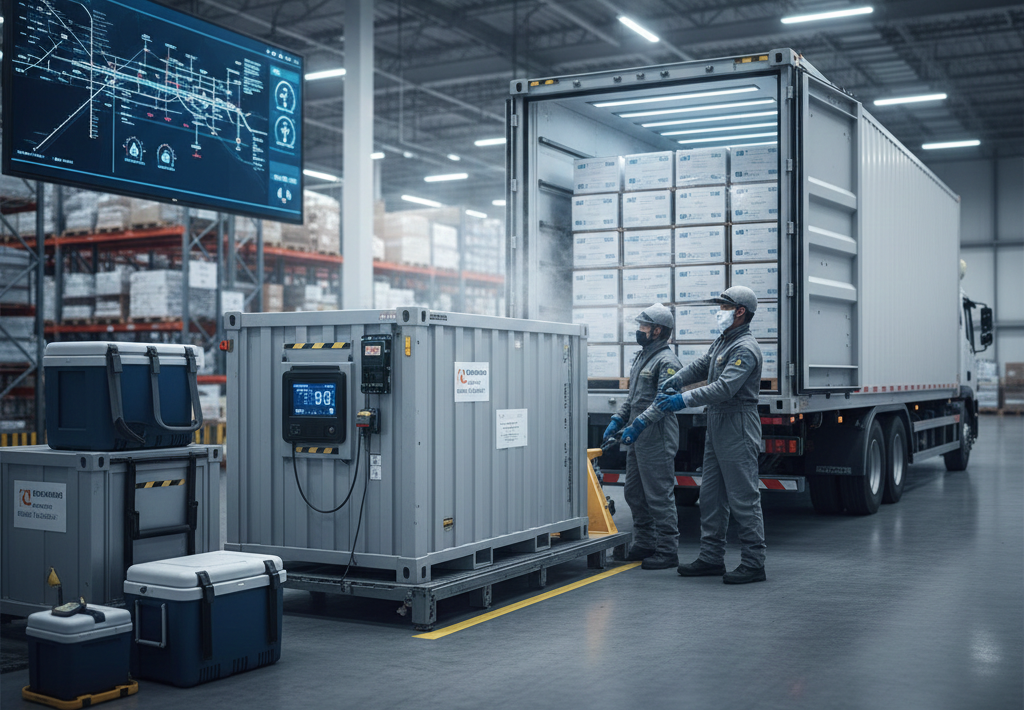
- Pharmaceutical-grade Refrigerators: Purpose-built units with forced-air cooling, digital temperature display, and alarm systems. Domestic refrigerators are not suitable as they have uneven temperature distribution and no alarm functionality.
- Temperature Data Loggers: Digital devices that continuously record temperature at set intervals (typically every 15–30 minutes) and can export data for compliance records.
- Cold Boxes and Vaccine Carriers: For transporting products between storage points, maintaining temperature for 4–8 hours.
- Backup Power: UPS or generator backup to maintain refrigeration during power outages. In areas with frequent power cuts, this is critical infrastructure.
- Calibrated Thermometers: Separate from the refrigerator's built-in display, calibrated annually against a certified reference standard.
Standard Operating Procedures
Every pharmacy handling cold-chain products should have documented SOPs covering:
- Receiving Protocol: Check temperature indicators on incoming shipments, verify cold-chain integrity certificates, and transfer to appropriate storage within 15 minutes of receipt.
- Temperature Monitoring: Check and log temperatures at least twice daily (morning and evening). Set alarm thresholds at 2°C and 8°C for refrigerated storage. Document all excursions.
- Excursion Management: Define clear steps for temperature excursions — quarantine affected products, notify the manufacturer, assess product viability based on stability data, and document the decision to use or discard.
- Stock Rotation: Implement strict FEFO (First Expiry, First Out) and arrange products to allow air circulation. Never overload the refrigerator.
- Power Failure Protocol: Keep refrigerator doors closed, activate backup power within 30 minutes, and monitor temperature continuously. Most pharmaceutical refrigerators maintain temperature for 2–4 hours if unopened.
- Cleaning and Maintenance: Monthly defrosting (if applicable), quarterly cleaning, and annual preventive maintenance with documented records.
Common Cold-Chain Failures
Avoid these frequent mistakes that compromise cold-chain integrity:
- Storing food and drinks alongside medicines: This leads to frequent door openings and temperature fluctuations.
- Ignoring temperature alarms: Alarms should be investigated and documented every time, even if the temperature self-corrects.
- Using ice packs incorrectly: Gel packs must be conditioned to the correct temperature before use — frozen packs placed directly against vaccines can cause freezing damage.
- Overcrowding the refrigerator: Blocked air circulation leads to hot and cold spots. Load should not exceed 50–60% of total capacity.
- Neglecting backup planning: Power outages during summer peak hours are predictable — have a plan before they happen.
Regulatory Compliance
Cold-chain compliance requirements for pharmacies in India include:
- Schedule M compliance: Good Storage Practices as defined under Schedule M of the Drugs and Cosmetics Rules.
- WHO GDP guidelines: World Health Organization Good Distribution Practices, increasingly referenced by Indian regulators.
- State Drug Control requirements: Specific cold-chain documentation requirements vary by state — check with your local Drug Inspector.
- Temperature records retention: Maintain temperature logs for at least 3 years for regulatory inspection purposes.
Conclusion
Cold-chain management is a non-negotiable responsibility for pharmacies handling temperature-sensitive products. The investment in proper equipment, training, and SOPs pays for itself through reduced product wastage, regulatory compliance, and — most importantly — patient safety. As India expands its biologics and vaccine portfolio, cold-chain capabilities will increasingly differentiate well-managed pharmacies from their competitors. Start with a cold-chain audit of your current practices and invest in digital temperature monitoring to build a foundation of compliance and quality.